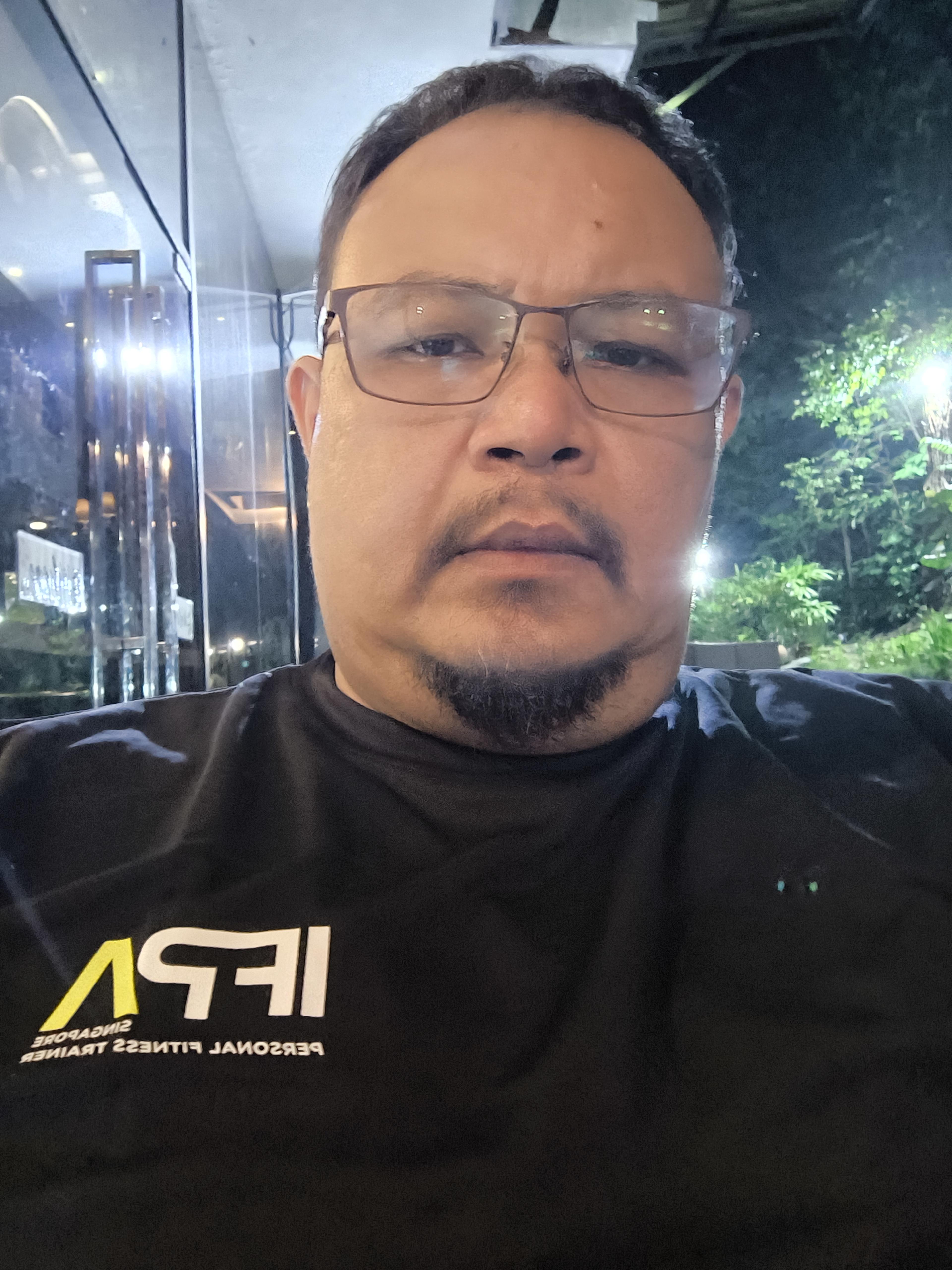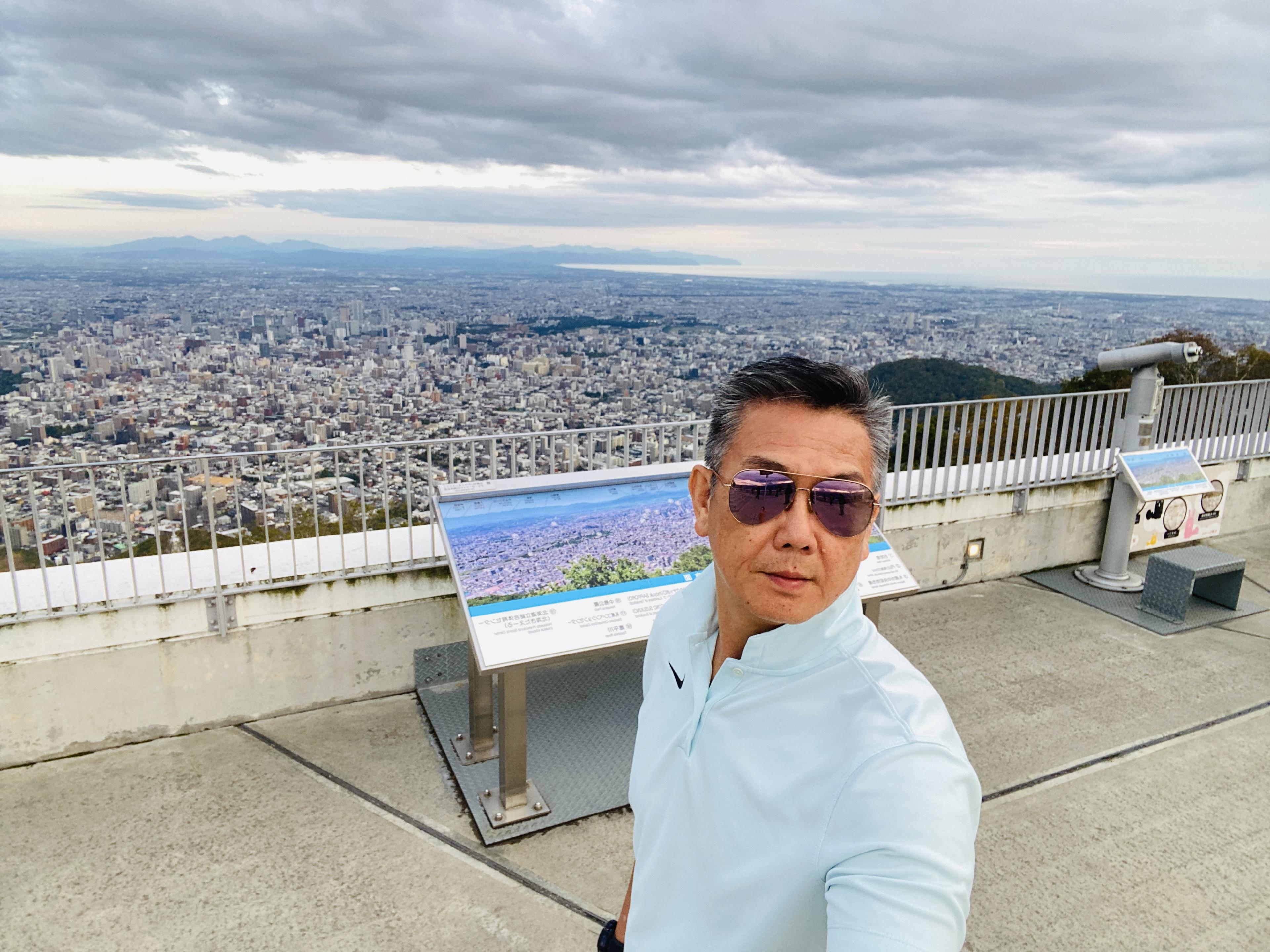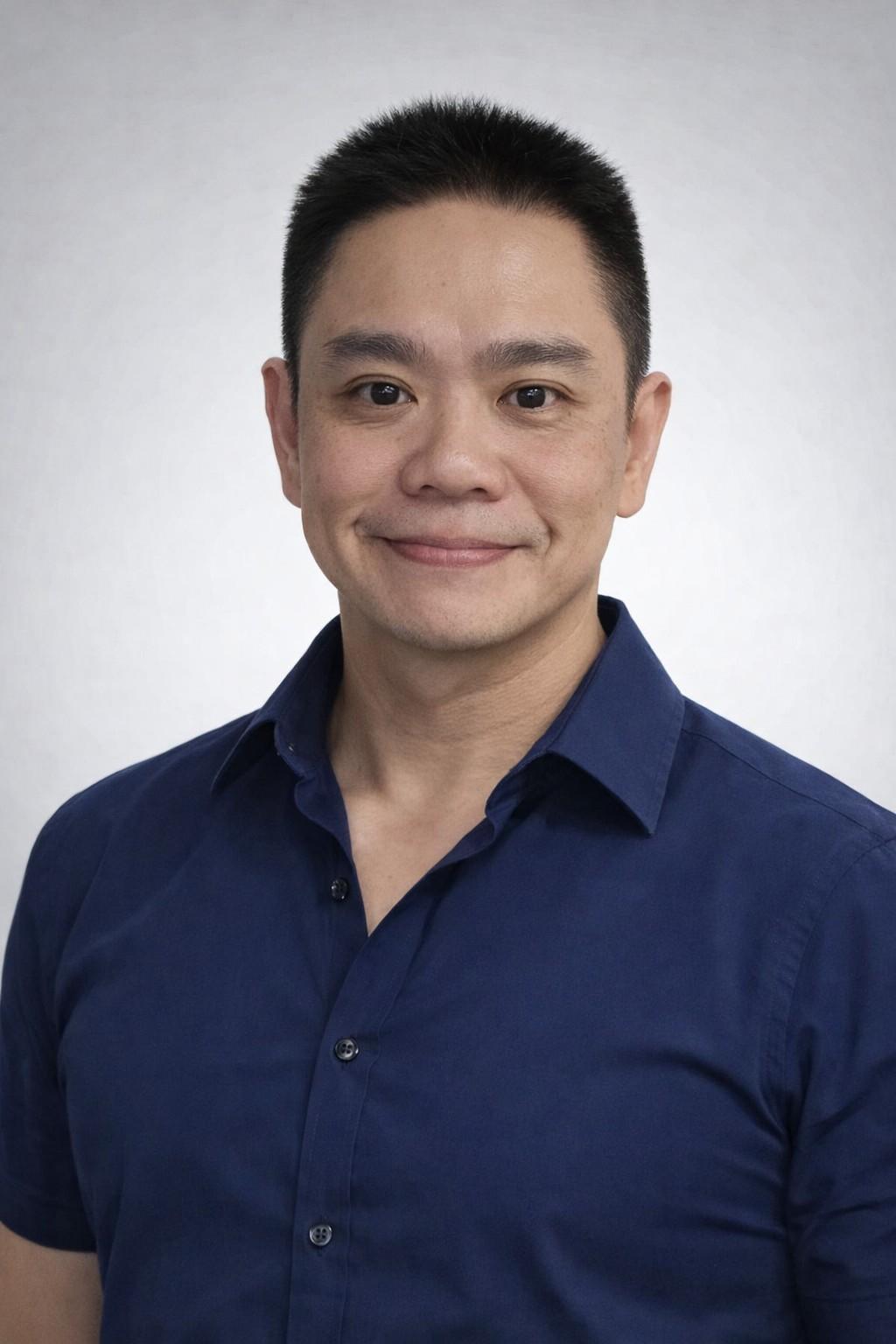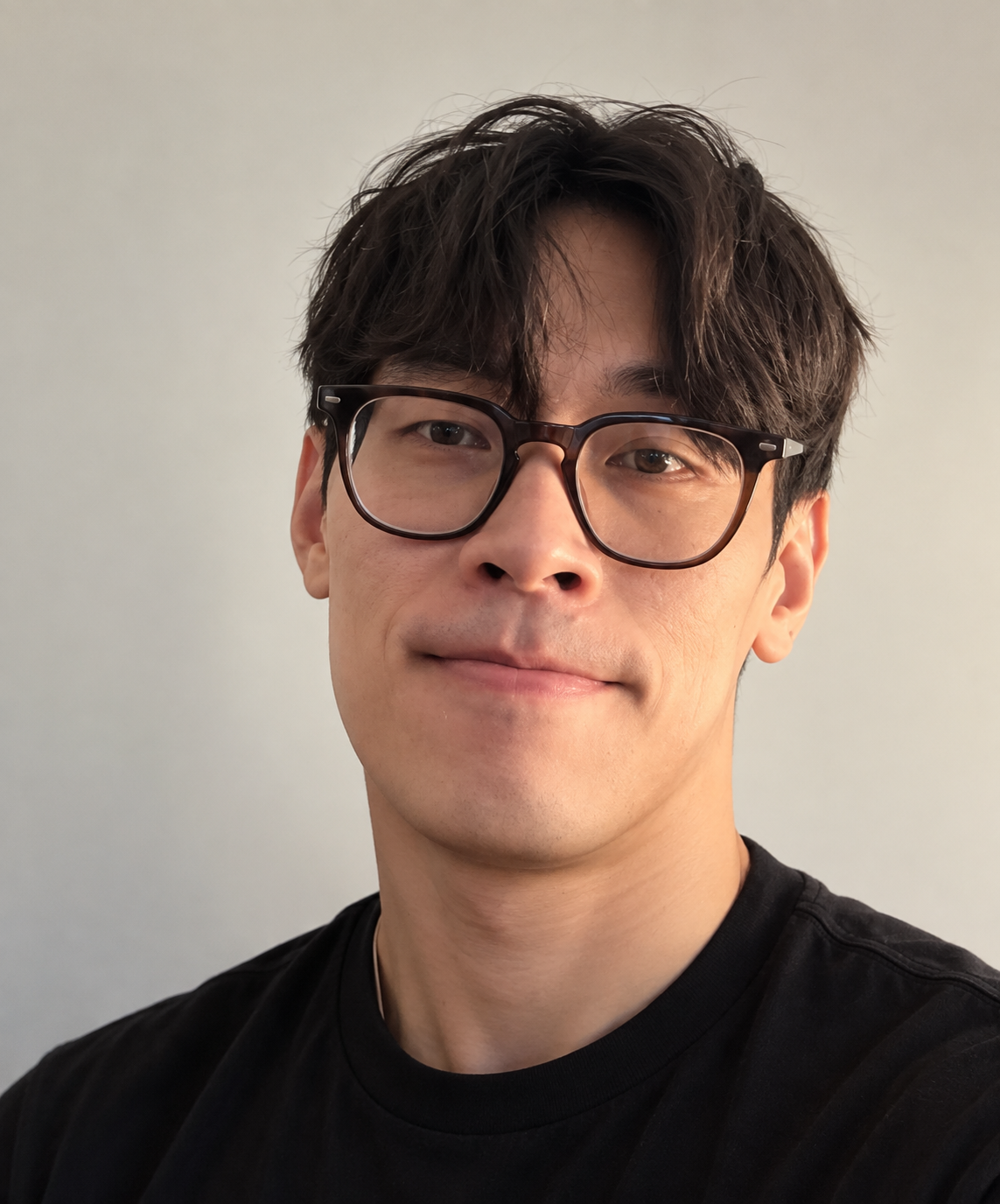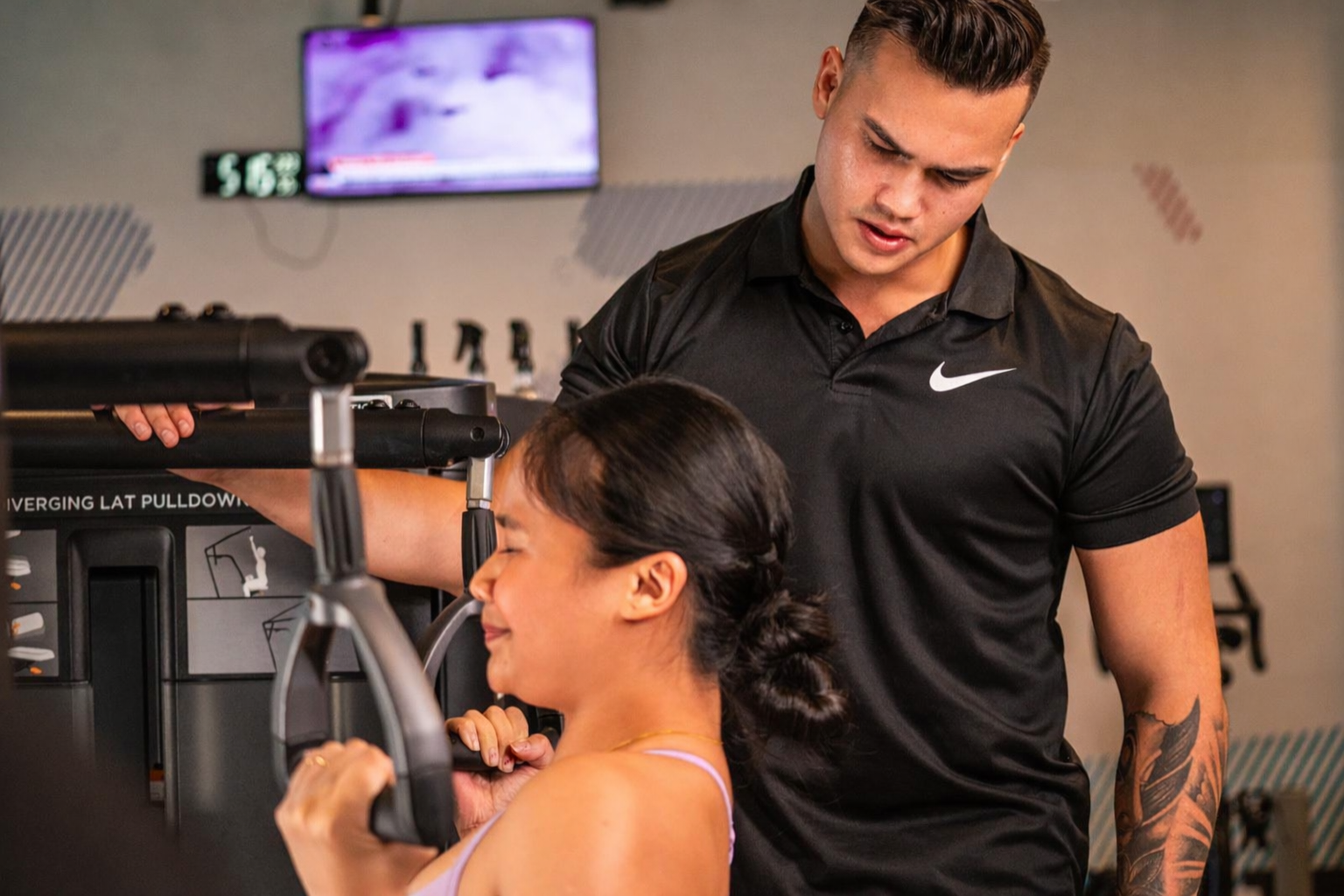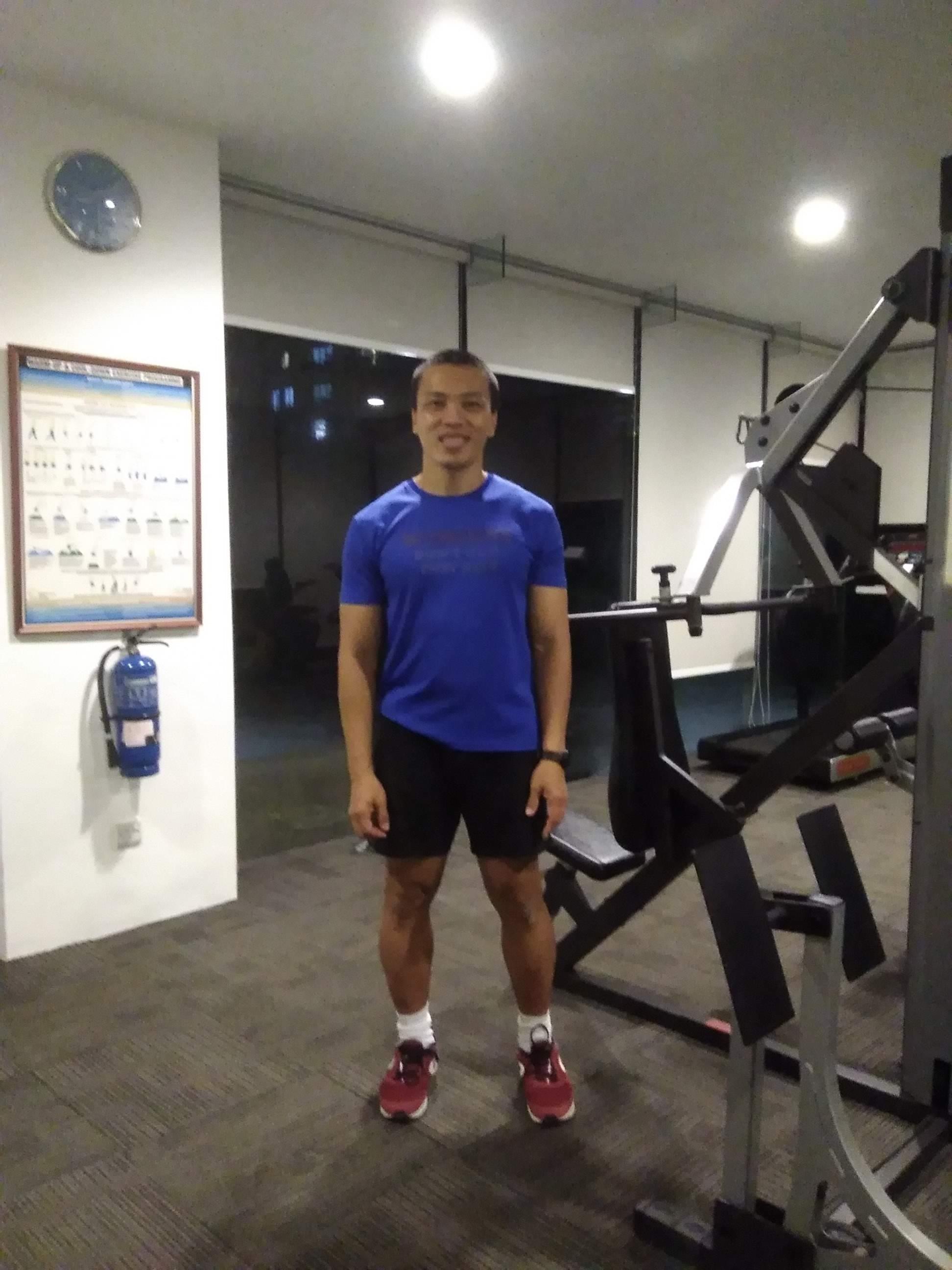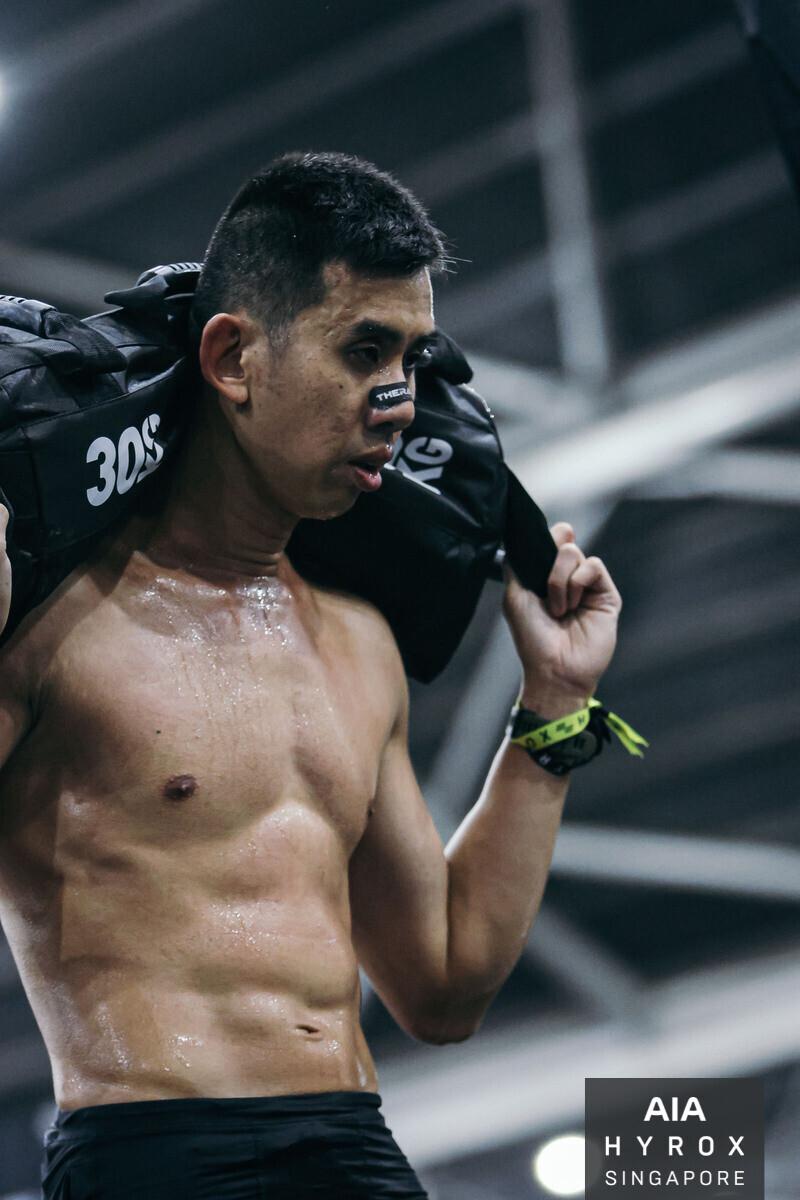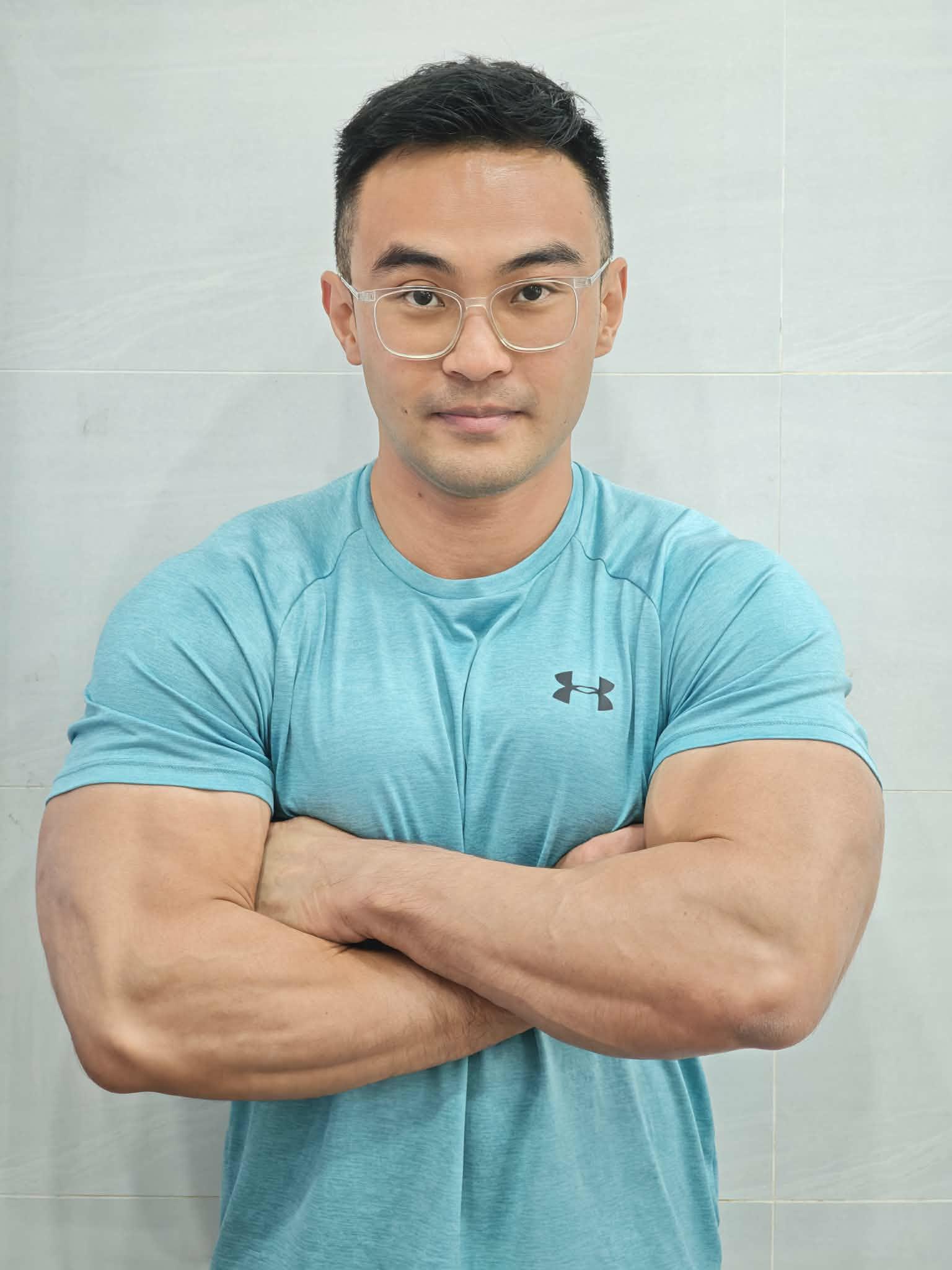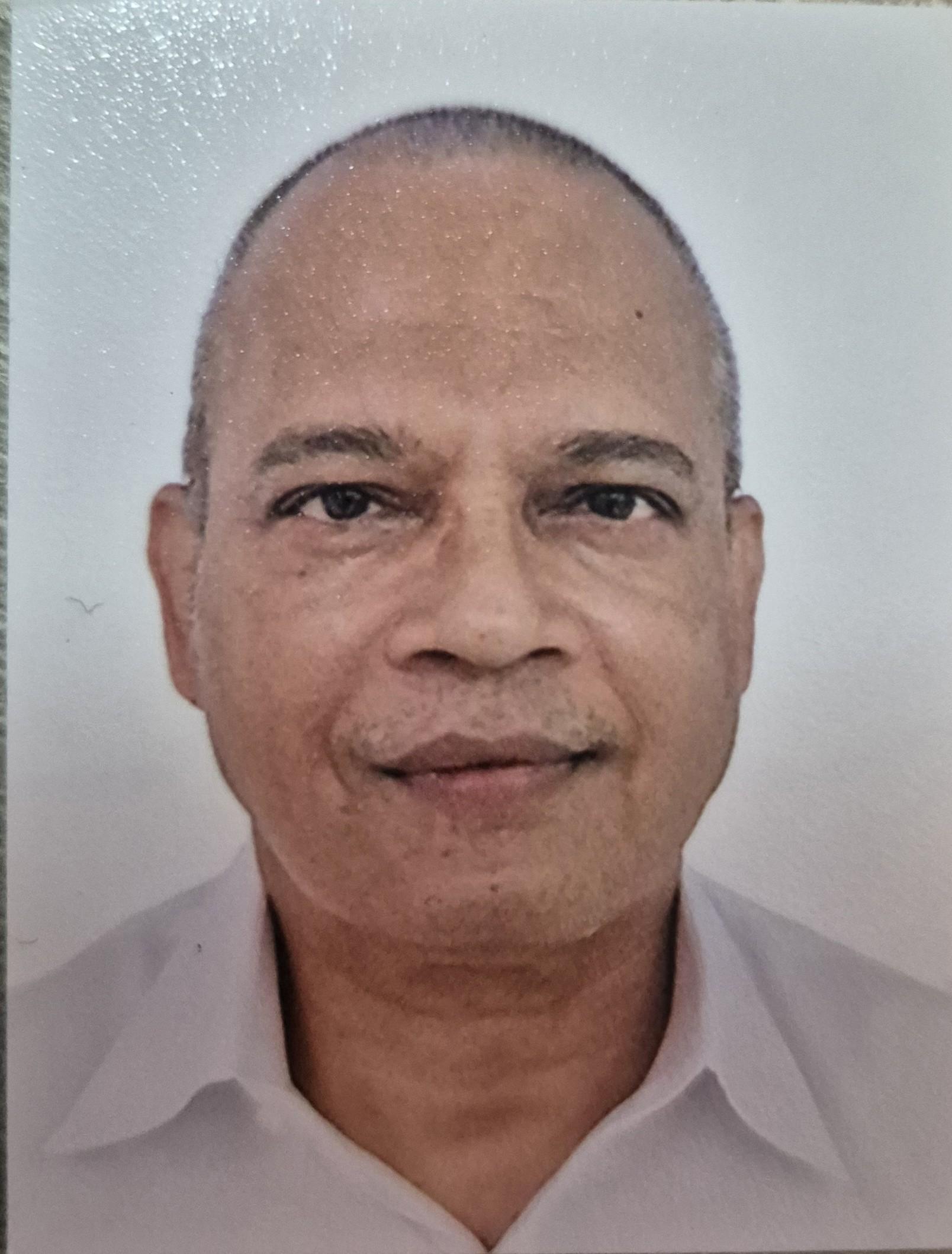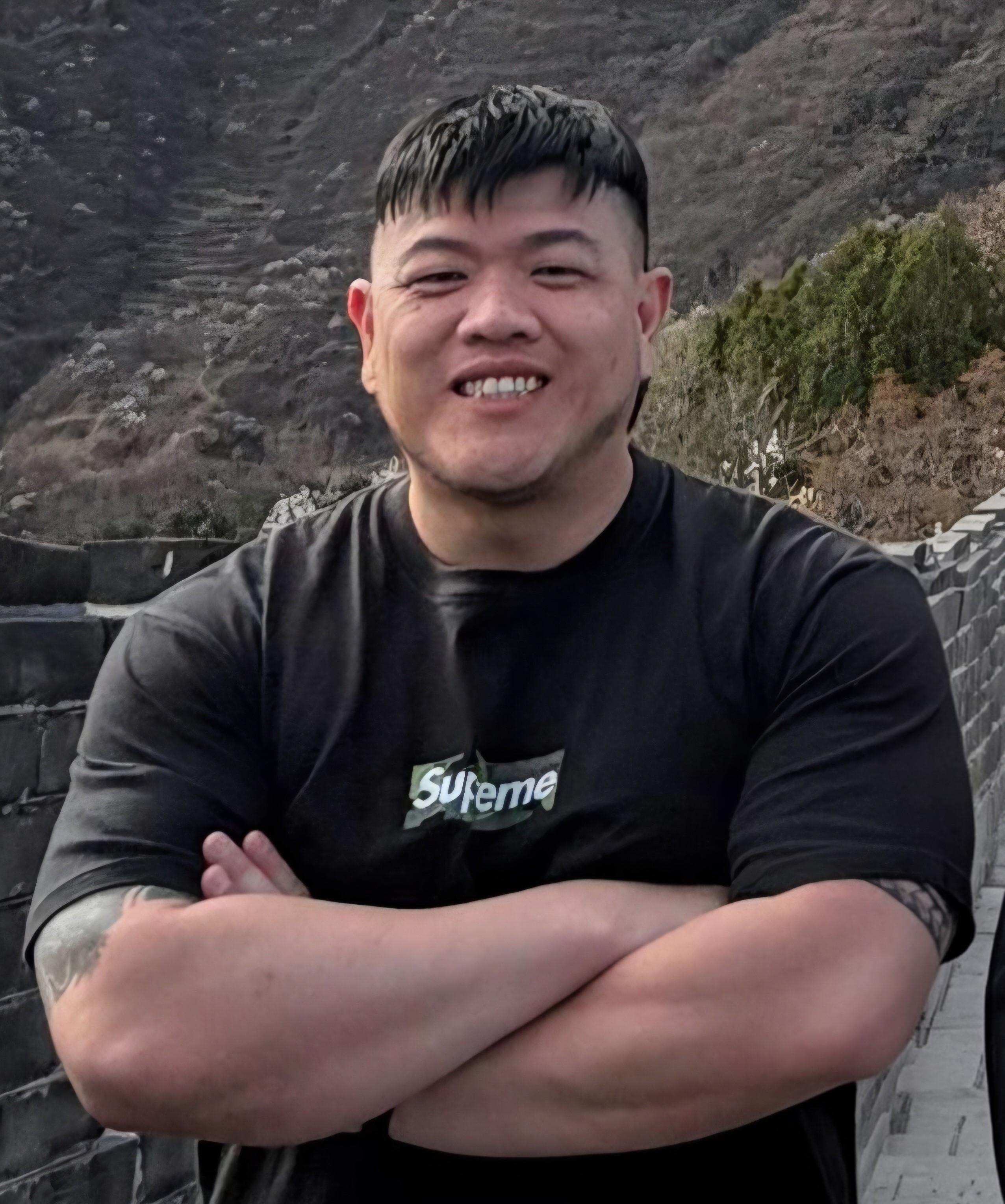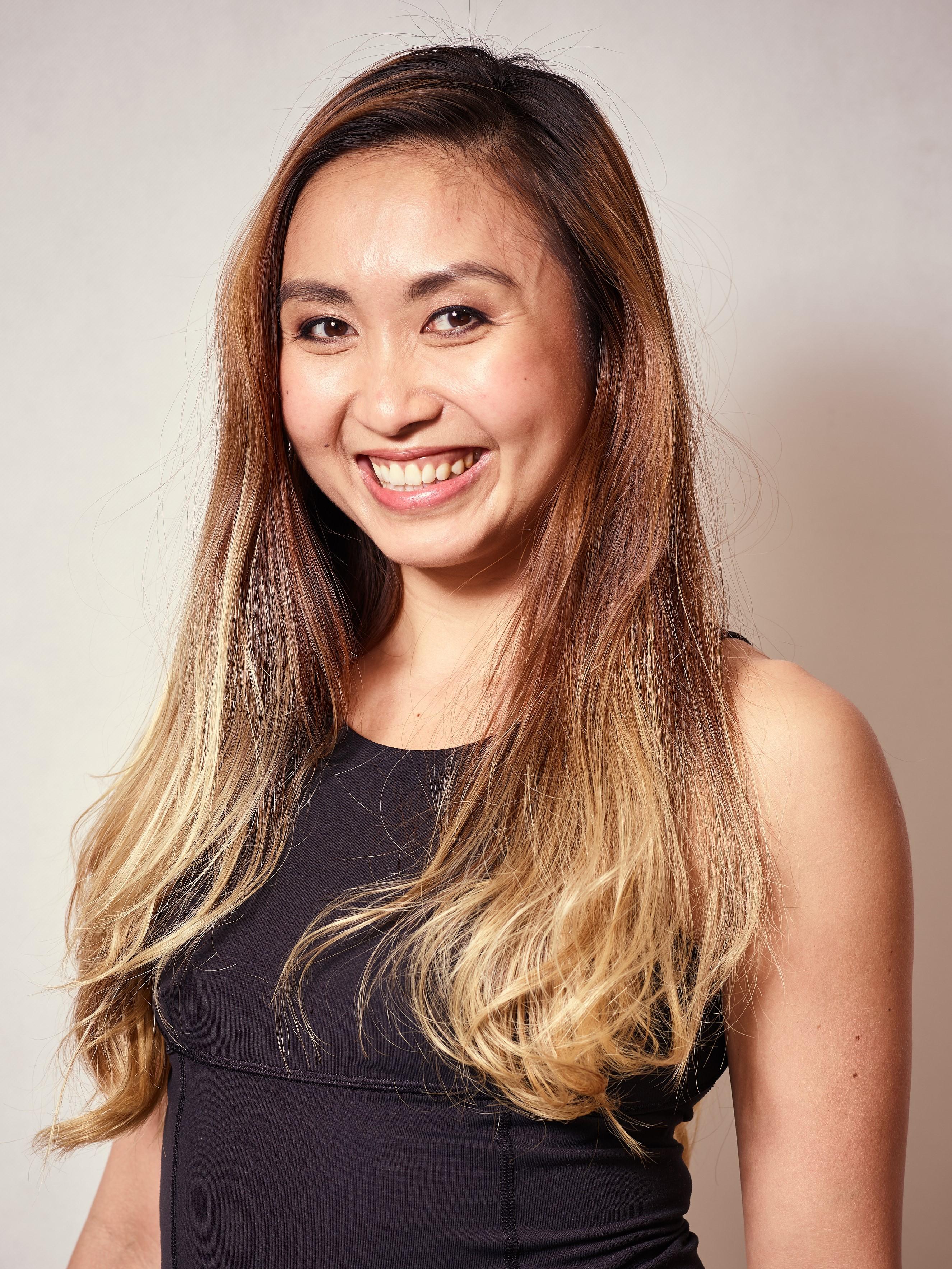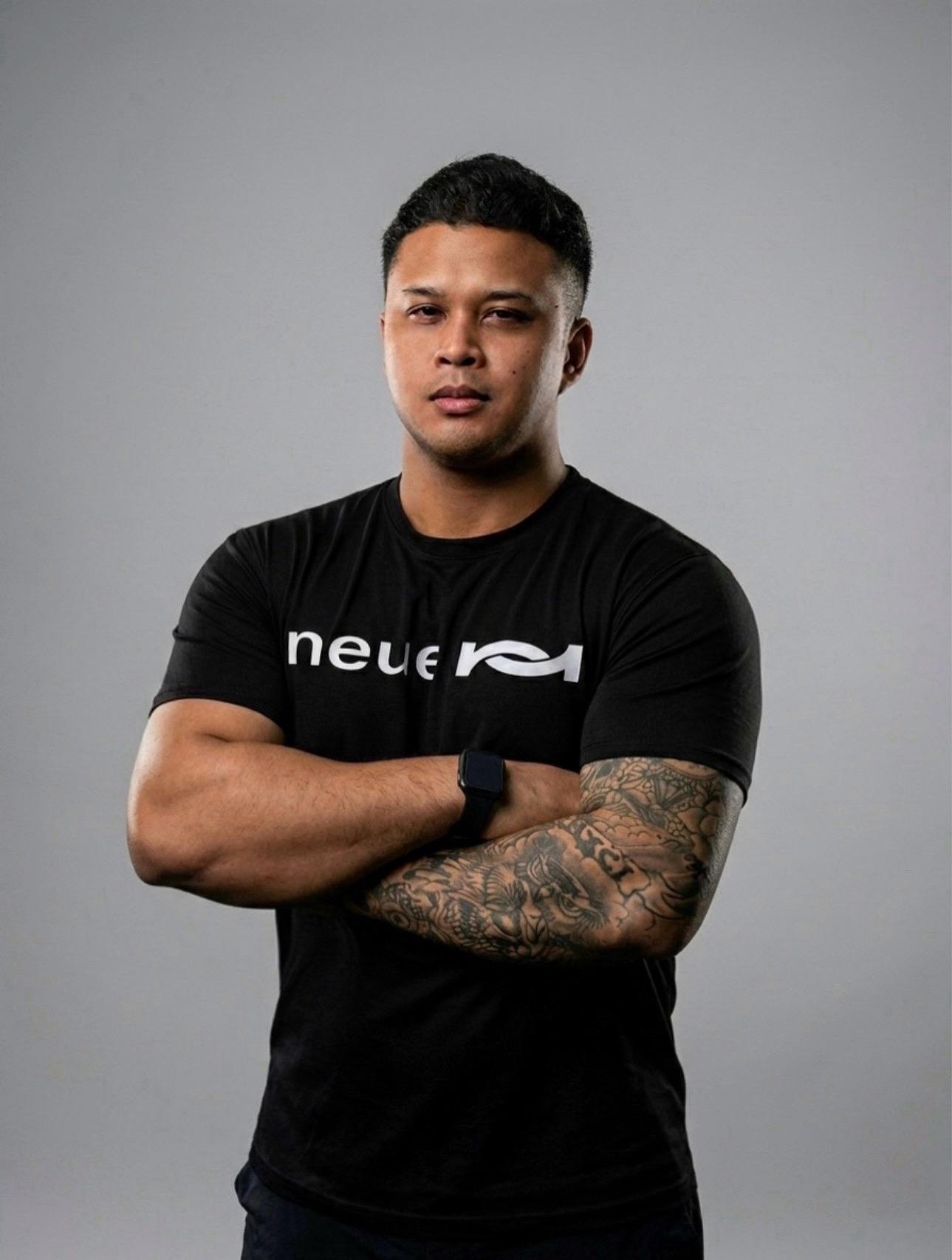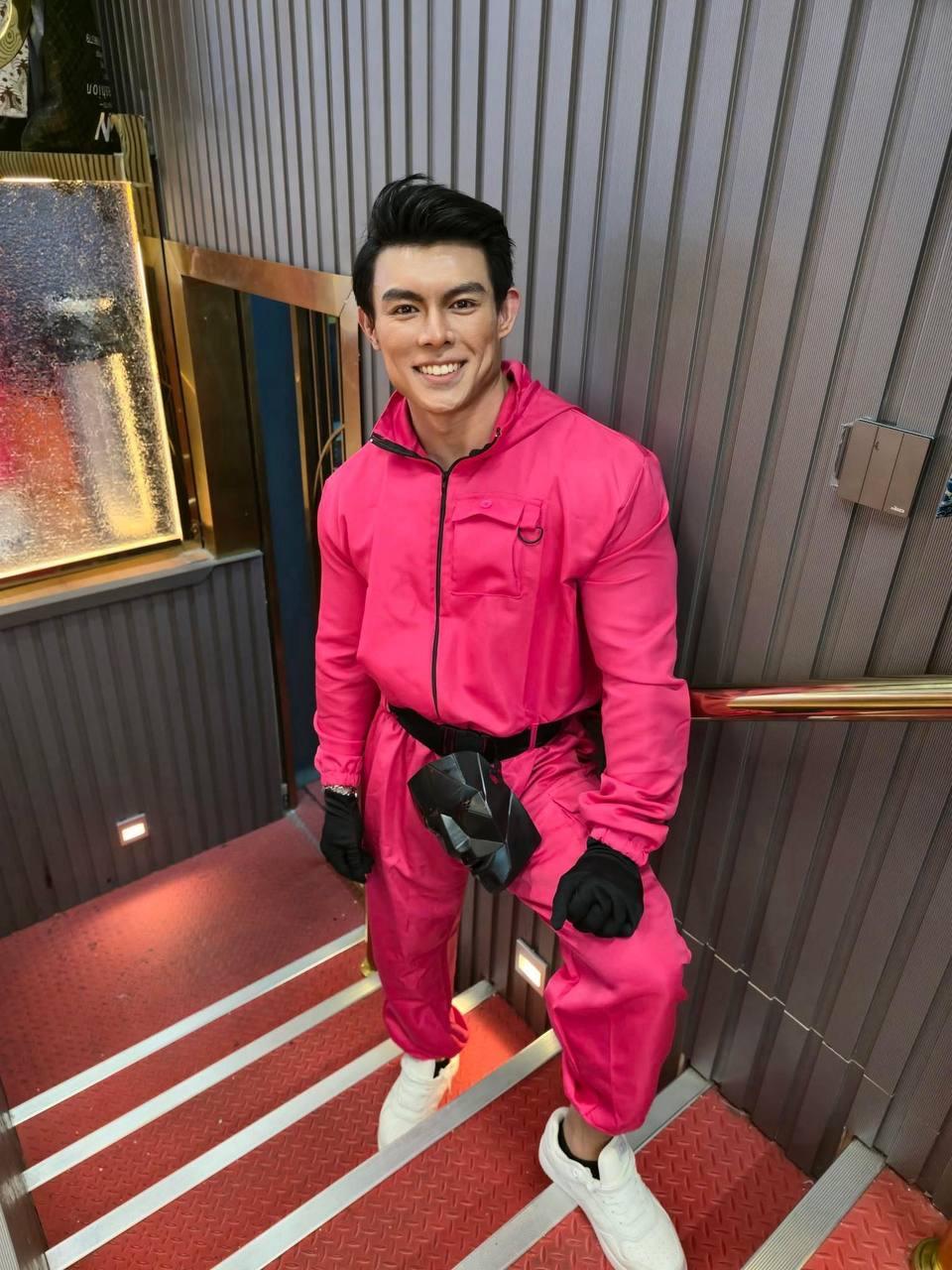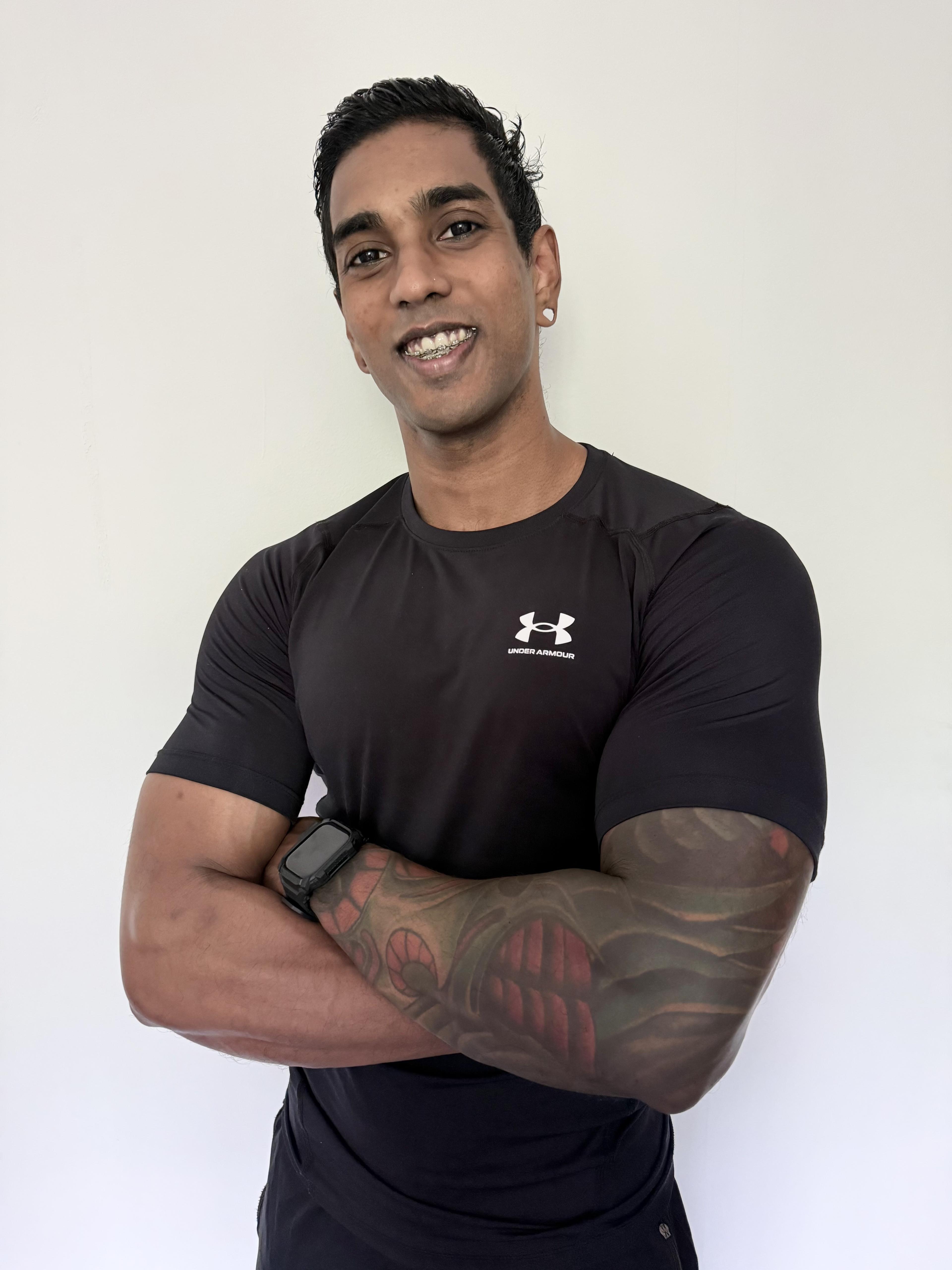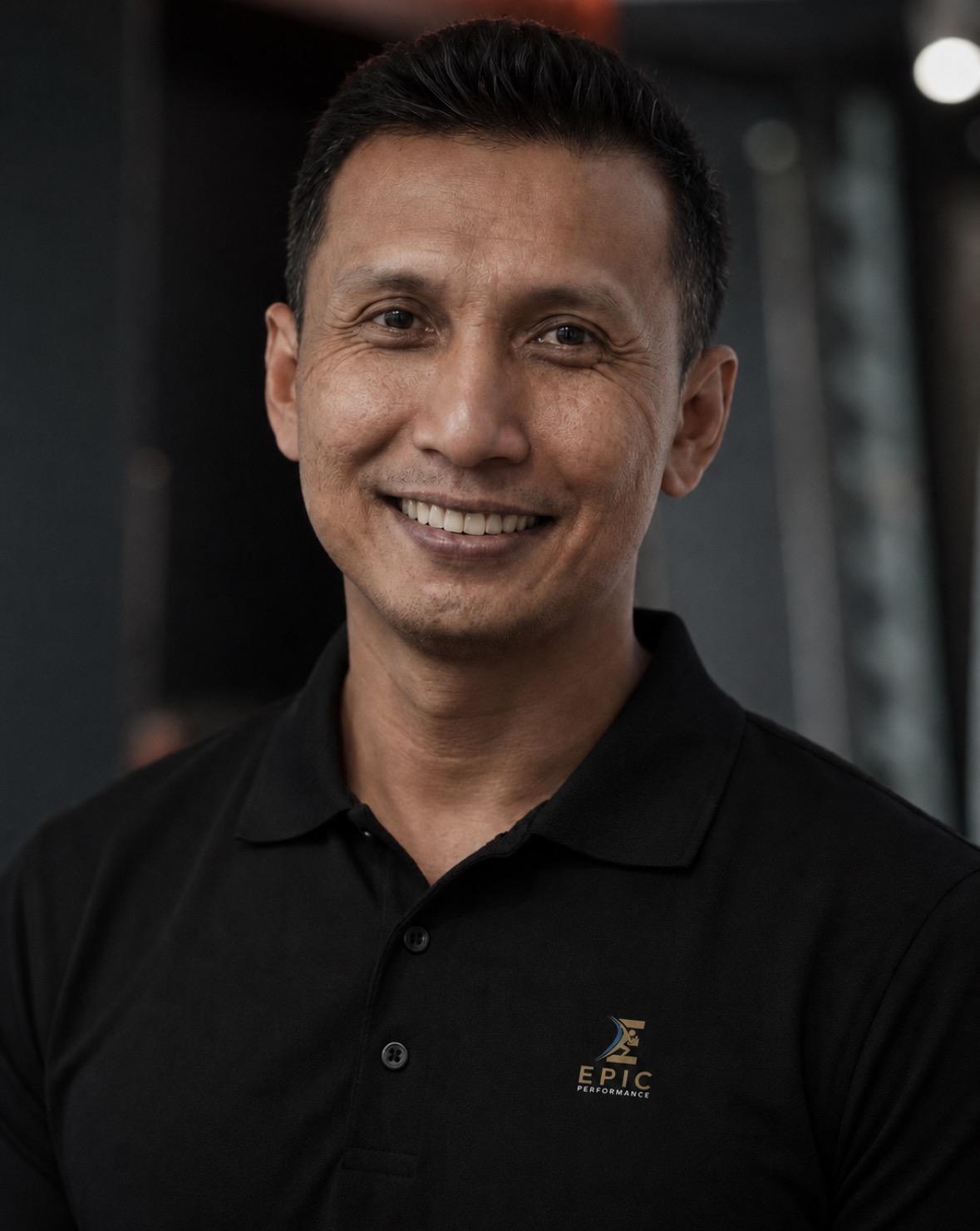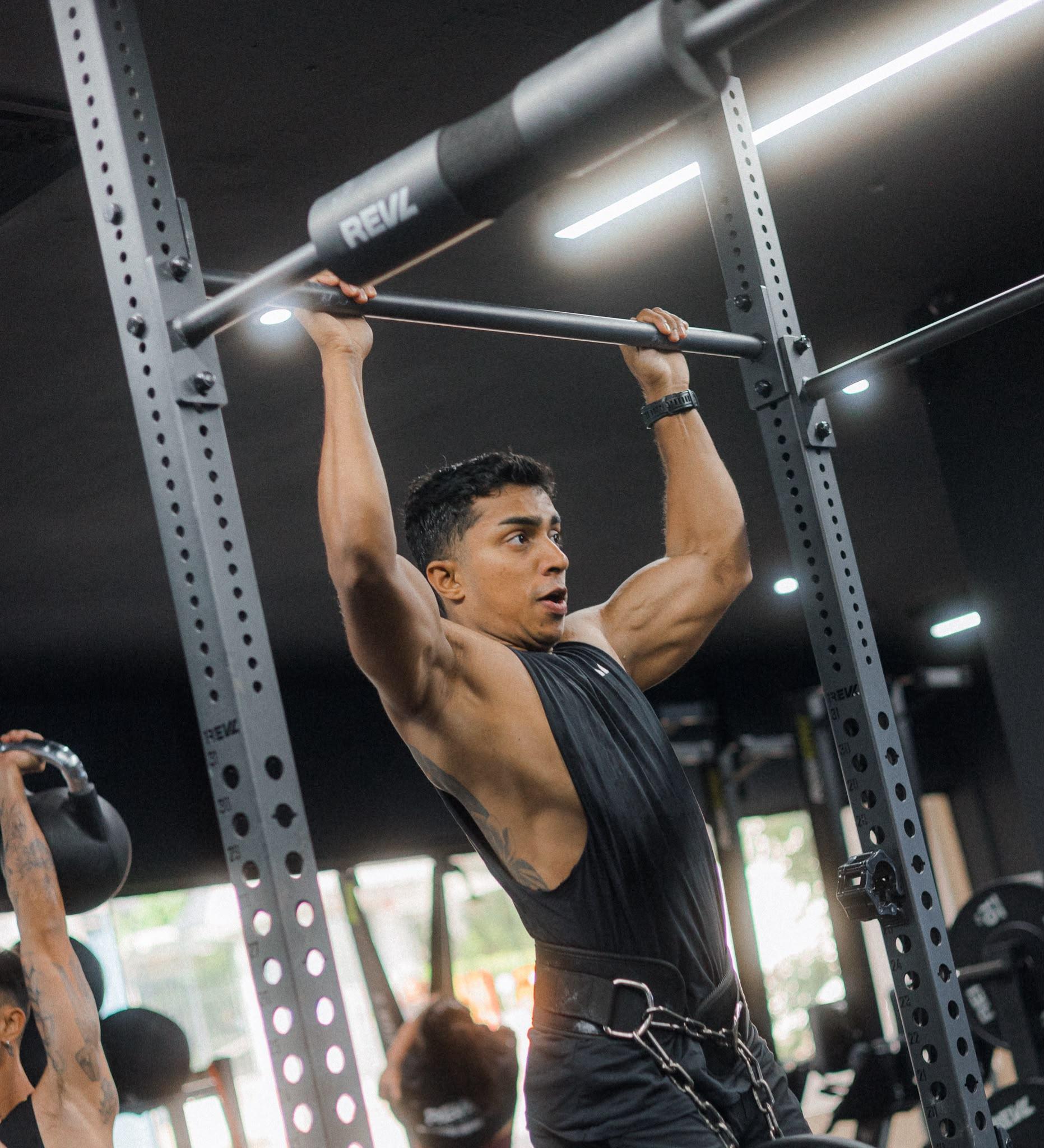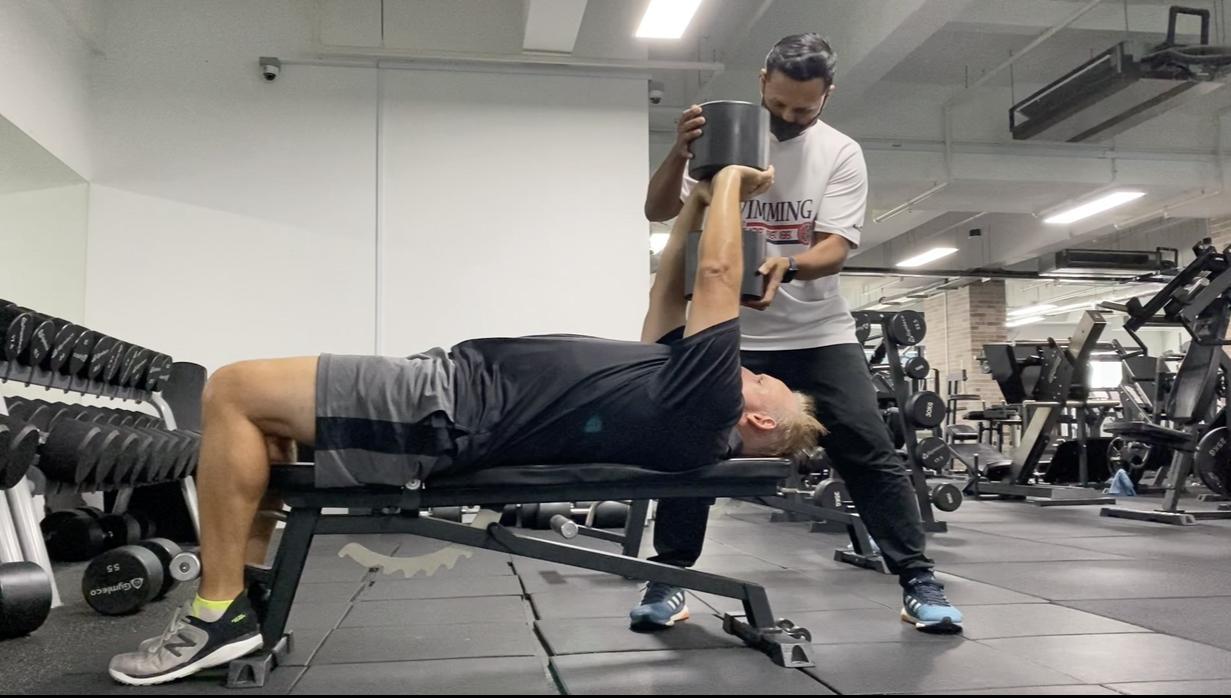
 Photo: Salam with a client
What does a strength and conditioning coach do that a general PT does not?
Three things. They start from the sport rather than the person's preferences, asking what the event demands: a karate bout is short explosive exchanges, a rugby match is repeated sprints and collisions, a HYROX race is running broken up by heavy work. They plan around a calendar, with the hard building phases away from competition and lighter, sharper work close to it. And they treat staying uninjured as a performance goal, because a player who misses half a season has had a bad season however strong they got.
A good general personal trainer does much of the same work for a non-athlete: squats, hinges, presses, pulls, carries, conditioning. The difference shows up in the details. An S&C coach programmes jumps, throws and sprints with the same care as lifts, measures things that predict performance (a jump height, a sprint split, a time trial) and changes the plan when your fixture list changes.
| General personal trainer | Strength and conditioning coach | |
|---|---|---|
| Starting point | Your goal: health, fat loss, strength, appearance | Your sport's demands and your position or event |
| Plan horizon | Weeks to months, adjusted as you go | A season, split into phases around competition |
| Typical tools | Resistance training, conditioning, mobility | The same, plus jumps, throws, sprints and change of direction |
| What gets measured | Body weight, lifts, how you feel | Lifts plus jump, sprint and conditioning tests tied to the sport |
| Success | You reach your goal | You perform on the day and finish the season uninjured |
Which strength and conditioning credentials matter?
No credential is legally required to call yourself a strength and conditioning coach in Singapore, so the qualification is worth checking. These are the ones you will see, and what each actually requires.
| Credential | Awarded by | What it requires or signals |
|---|---|---|
| CSCS (Certified Strength and Conditioning Specialist) | National Strength and Conditioning Association (NSCA), US | Currently a bachelor's degree in any discipline, CPR/AED certification and an exam. NSCA plans to require a degree from an accredited strength and conditioning programme for first-time candidates from 2030 |
| ASCA Level 1 | Australian Strength and Conditioning Association | The entry accreditation. ASCA says it qualifies a coach to plan and programme fundamental S&C sessions for athletes at club to state level |
| ASCA Level 2 and Level 3 | Australian Strength and Conditioning Association | Level 2 (Associate, then Professional) builds on Level 1; Elite Level 3 is aimed at coaches working at professional, national and international level |
| NSCA-CPT, NCSF, ACE, NASM, ISSA personal-trainer certifications | Various | General personal-training certifications. Sound foundations, but not S&C accreditations on their own |
| Sport or exercise science degree or diploma | Universities and polytechnics | The underlying science: physiology, biomechanics, programming. Often the strongest signal behind any certificate |
| EXOS courses | EXOS, a performance-training company | Short professional courses in its performance method; a useful add-on rather than an accreditation |
Two honest points about our own roster. First, as of 2 October 2026 no Fit Titans coach holds the CSCS or the UK Strength and Conditioning Association's accreditation, and we will not describe anyone as a CSCS coach. Second, an accreditation is evidence of study, not of results with athletes like you. Ask any coach, ours included, which athletes in your sport they have trained and what changed.
Which Fit Titans coaches have S&C credentials or an athletic background?
The table lists coaches whose own profile records a strength and conditioning qualification, a sports-science qualification or a competitive background relevant to S&C. Rates are each coach's published 1-to-1 rate per 60-minute session on 2 October 2026; every coach sets their own and we confirm it before you book.
| Coach | 1-to-1 rate | What their profile records |
|---|---|---|
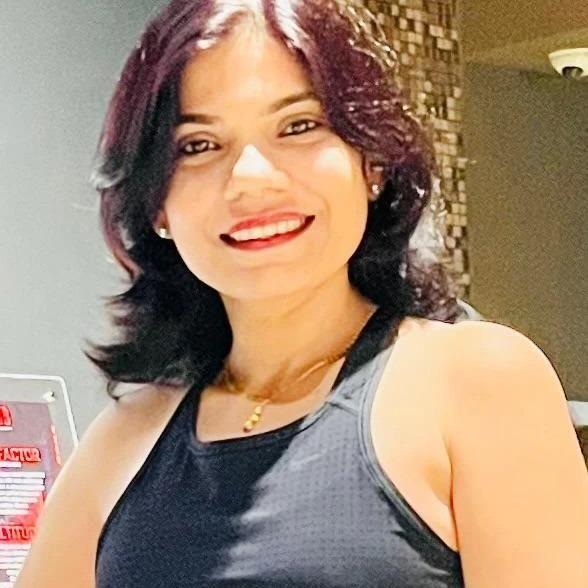
| Salam | S$160-S$180 | ASCA Level 1 and ACSM (he holds both), British Weight Lifting Federation, EXOS Human Performance; 23 years coaching |
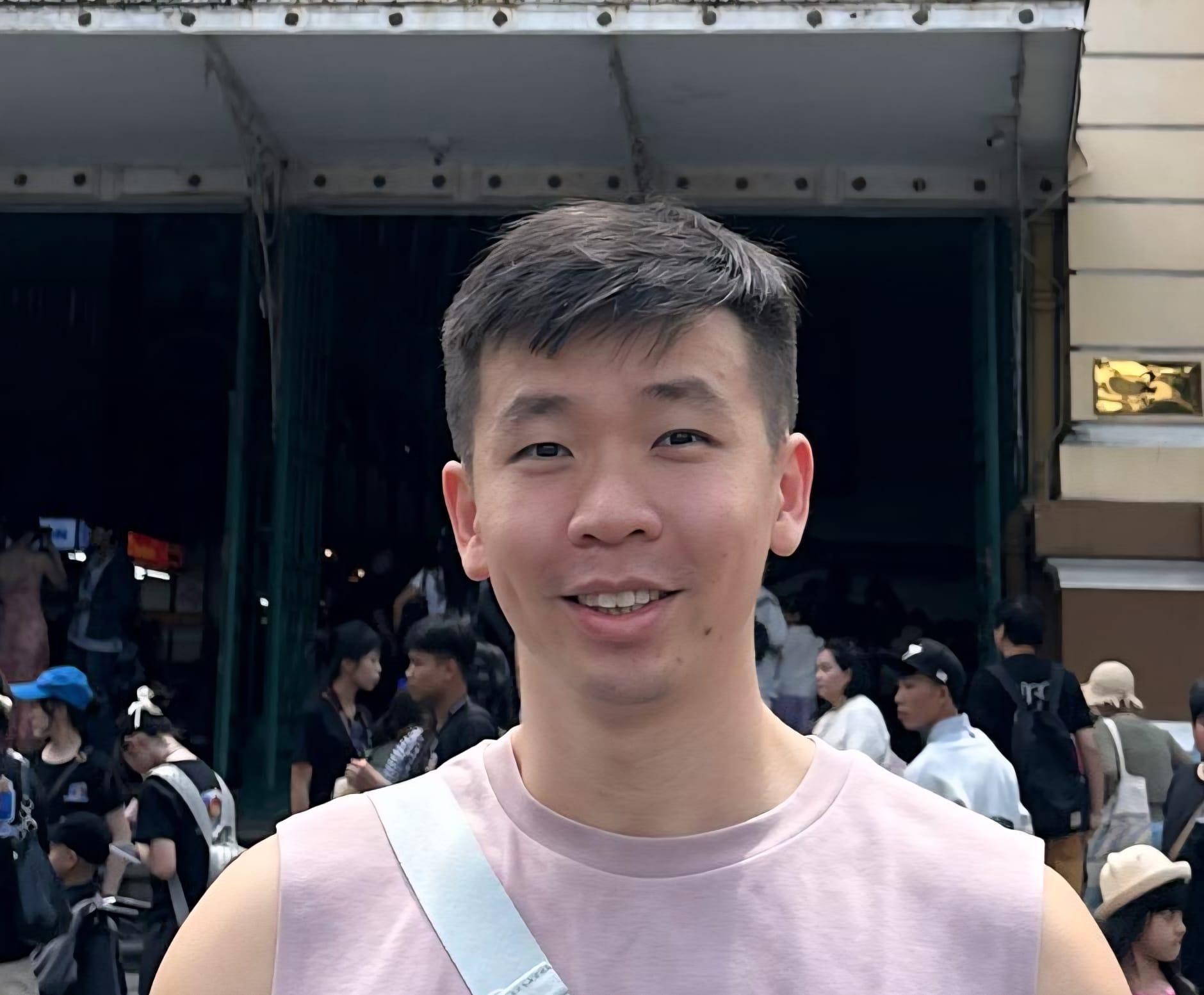
| Valen | S$210 | ASCA Strength and Conditioning Level 1, EXOS Performance Specialist, NCSF; 9 years coaching |
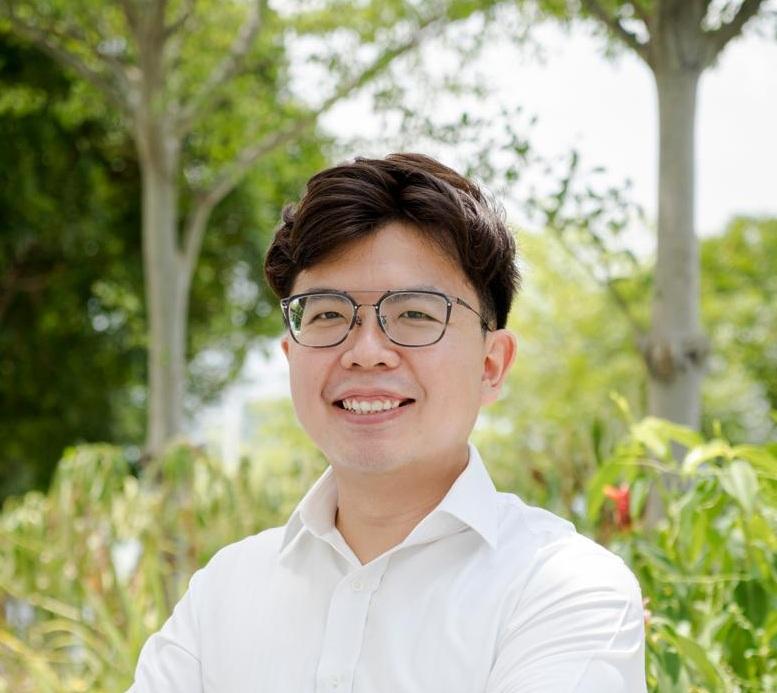
| Christian | S$150 | FISAF and ASCA certifications, sports-science qualification; 22 years coaching, IPPT and NAPFA preparation |
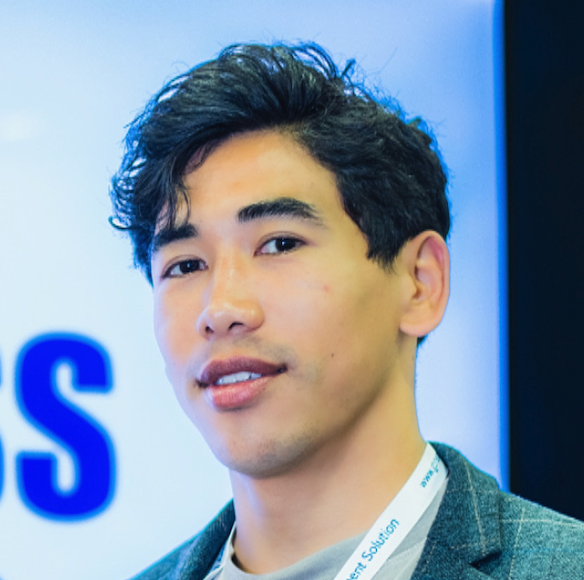
| Alexander | S$140 | ISSA Strength & Conditioning; former rugby and American football player who coached rugby S&C at US colleges |
| Anwarul | S$80 | NSCA personal-trainer certification and a sports-science qualification; strength and sports performance |
| Ashwiin | S$140 | Bachelor's in Sport and Exercise Science; has coached as an Active Health Coach with Sport Singapore |
| Daniel | S$200 | BSc Sport Science, ACSM; 7 years coaching in London and Singapore |
| Si Yuan | S$110 | Diploma in Sport and Exercise Sciences, NCSF |
| Dimanya | S$100 | National karate athlete who has competed at the SEA Games; SG Coach Level 1 theory, NCSF |
| Muhammad Faez | S$80-S$100 | Competes in Muay Thai, Brazilian Jiu-Jitsu and wrestling; NASM |
| Raphael | S$130 | Top 10 in the HomeTeamNS Strongman Challenge in 2011 and 2012; powerlifting; FISAF |
| Ehvin | S$90 | HYROX Level 1 certified coach, NCSF |
| Melvin | S$90 | Has raced multiple HYROX events, NCSF |
The coach cards on this page show one certifying body per coach, from a fixed list that does not include ASCA, so Salam's card reads ACSM; he holds ASCA Level 1 as well. Read the table as a starting shortlist, not a ranking. A national-level karate athlete with a year of coaching and an ASCA-accredited coach with two decades of it are useful to different people, and the right match depends on your sport and level more than on the length of the credential list.
Can they train me for my sport?
For most recreational and school-level sports, yes, and the match is usually by sport rather than by credential. What a coach can do is build the physical side: strength, power, speed, conditioning and robustness. What they cannot do is coach the sport's skills, so a karateka still needs the dojo and a rugby player still needs team training.
- Karate, taekwondo and other striking sports: Dimanya competes in karate kumite internationally; Muhammad Faez fights in Muay Thai and grapples. Expect power and repeat-effort work, plus weight-class management if you compete.
- Rugby and other collision sports: Alexander played rugby and coached rugby S&C at US colleges. Expect heavier strength work in the off-season and neck, shoulder and hamstring robustness throughout.
- HYROX and hybrid racing: Ehvin is a HYROX Level 1 certified coach and Melvin has raced the format. A HYROX race alternates running with heavy functional stations, so the plan is as much about running economy under fatigue as about the stations.
- Running, IPPT and NAPFA: strength work that makes running cheaper and keeps you uninjured, built around your test or race date. Our IPPT Gold guide covers the run and stations; Christian, with 22 years of coaching, lists IPPT and NAPFA preparation as a specialty.
- Strongman and powerlifting: Raphael was twice a top-10 finalist in the HomeTeamNS Strongman Challenge and lists powerlifting as a specialty.
If your sport is not listed, tell us what it is, your level and your competition calendar, and we will tell you plainly whether we have a good match or whether a sport-specific coach elsewhere would serve you better.
How is a strength and conditioning programme planned across a season?
By dividing the year into phases, each with a different job. The sports-physiotherapy literature describes periodisation as dividing training into specific phases and programming as changing sets, repetitions and load within each phase to get the adaptation that phase is for. The phase names vary by sport and coach; the logic does not.
| Phase | Main job | What the gym work looks like |
|---|---|---|
| Off-season | Build: strength, muscle, fix weak links | The heaviest and highest-volume strength work of the year; conditioning at a lower priority |
| Pre-season | Convert strength into power and sport fitness | Lower volume, faster lifts, jumps and throws; conditioning that looks like the sport |
| In-season | Keep what you built without adding fatigue | One or two short sessions a week, heavy enough to hold strength, scheduled away from match days |
| Transition | Recover, physically and mentally | Unstructured activity, minor injuries looked after, then back to the off-season |
Two practical consequences. Start with an S&C coach in your off-season if you can; starting in the middle of competition means the coach can maintain and protect, but not build. And give the coach your full fixture list, including school exams or work travel, because the plan is written backwards from it.
What does strength and conditioning coaching cost in Singapore?
On our roster, the coaches named above charge S$80 to S$210 for a 60-minute 1-to-1 session, set by each coach. That is wider than the S$80 to S$130 quoted under the coach cards, which is the typical band across our whole roster (median S$90, October 2026): six of the 13 coaches in the table charge more than S$130, including all three who list ASCA certification, at S$150 or more. A worked example: twice a week with a coach charging S$140 is 8 sessions, S$1,120 a month. A 20-session pack takes 15% off, so each session becomes S$119 and the pack S$2,380, which covers about ten weeks at twice a week. Packs of 10 or 15 take 5% or 10% off.
Teammates can cut that sharply by training together. Several of these coaches publish a per-person small-group rate, for example Anwarul at S$35 per person against S$80 1-to-1, so four teammates would pay S$140 between them for the hour. How that works is on the small-group training page. Your first session with any coach is a paid trial at 10% off their rate.
Two outside references, read on 2 October 2026. ProCoach Sports Academy, at Queensway Shopping Centre, charged S$100 an hour for one person with a strength and conditioning coach, plus S$20 for each extra person up to four. Catalyst Performance, a CBD strength studio at Manulife Tower, listed a first-time 1-to-1 rate of S$163.50 per session. Studio prices include the studio; ours are for the coach, who comes to a venue you choose.
Where do strength and conditioning sessions happen?
Wherever the equipment for your phase is. Heavy off-season strength work usually needs a barbell and a rack, which means a commercial gym that allows outside trainers, a Gym Pod or a well-equipped condo gym. Pre-season speed and conditioning work needs space more than kit: a park, a field, a track or a void deck.
- ActiveSG gyms: public, free membership, and adult entry for citizens and PRs is S$2.50 per visit (2 October 2026). ActiveSG's rules allow no coaching or personal training there without its prior written approval, so use them for the sessions you do on your own.
- Commercial and clubhouse gyms: check the house rules on outside trainers first; HomeTeamNS's Bedok Reservoir clubhouse, for example, has a CrossFit-style gym for members. Our guide to outside trainers at ActiveSG and commercial gyms covers the rules.
- Condo gyms: fine for most in-season maintenance work and for many off-season blocks if there is a rack or heavy dumbbells. See condo gym training.
- Parks, fields and tracks: sprints, jumps, change of direction and conditioning, early morning or evening for the heat.
Can teenagers and school athletes train with an S&C coach?
Yes, and it is one of the better reasons to hire one. A school athlete in a CCA team gets most from learning to squat, hinge, land and sprint well before they load heavily, and a coach who thinks in seasons will fit the work around school competitions and exams rather than on top of them. We take teens from 12, and a parent or another adult is present in the home for every session with a minor. How we structure teen training, including safety and clearance, is on the personal trainer for teens page.
When is an S&C coach the wrong choice?
- You are injured and not yet cleared. See a physiotherapist or sports doctor first; a coach works inside their plan. Our injury rehab page explains how.
- Your goal is general health or fat loss. A general personal trainer serves you as well, and the extra planning is wasted on a goal without a competition date.
- You are a carded or national-squad athlete. Sport Singapore's High Performance Sport Institute supports Team Singapore athletes and works with the national sports associations, and its strength and conditioning service provides physical preparation that complements their sport-specific training. Go through your national sports association first, and coordinate with that support rather than run two plans at once.
If you are mostly after size, the muscle-building guide is the better starting point. Terms like RPE and progressive overload are defined in the fitness glossary.