

How is small-group personal training different from a gym class?
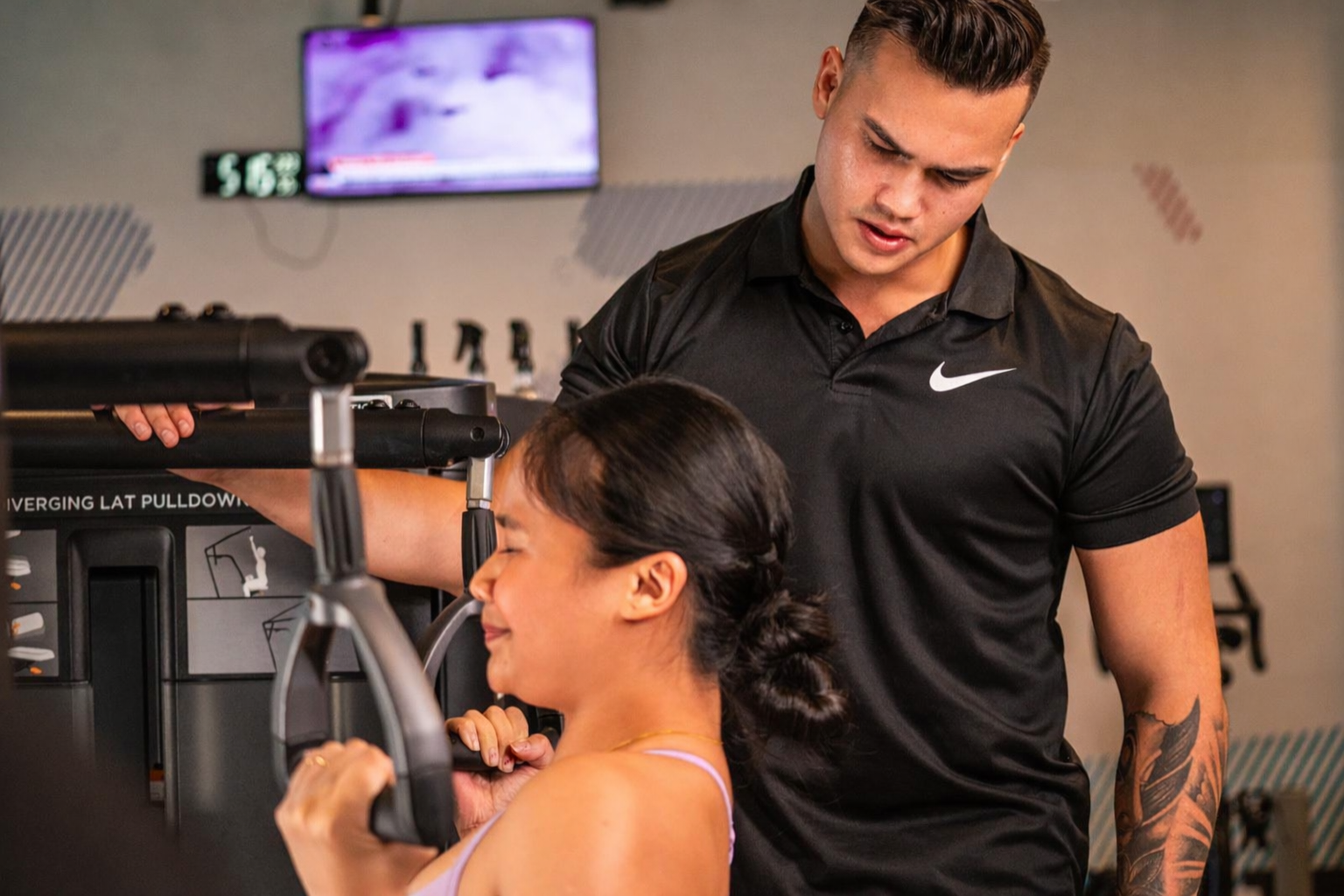
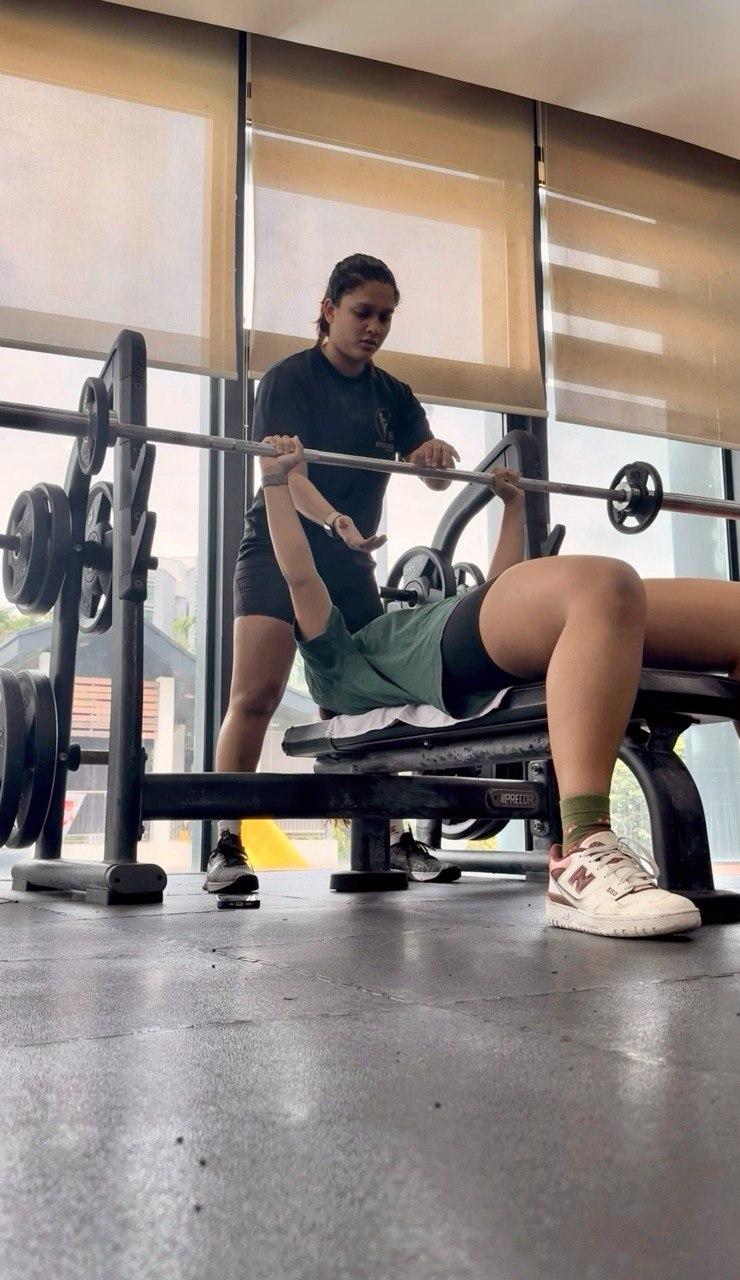
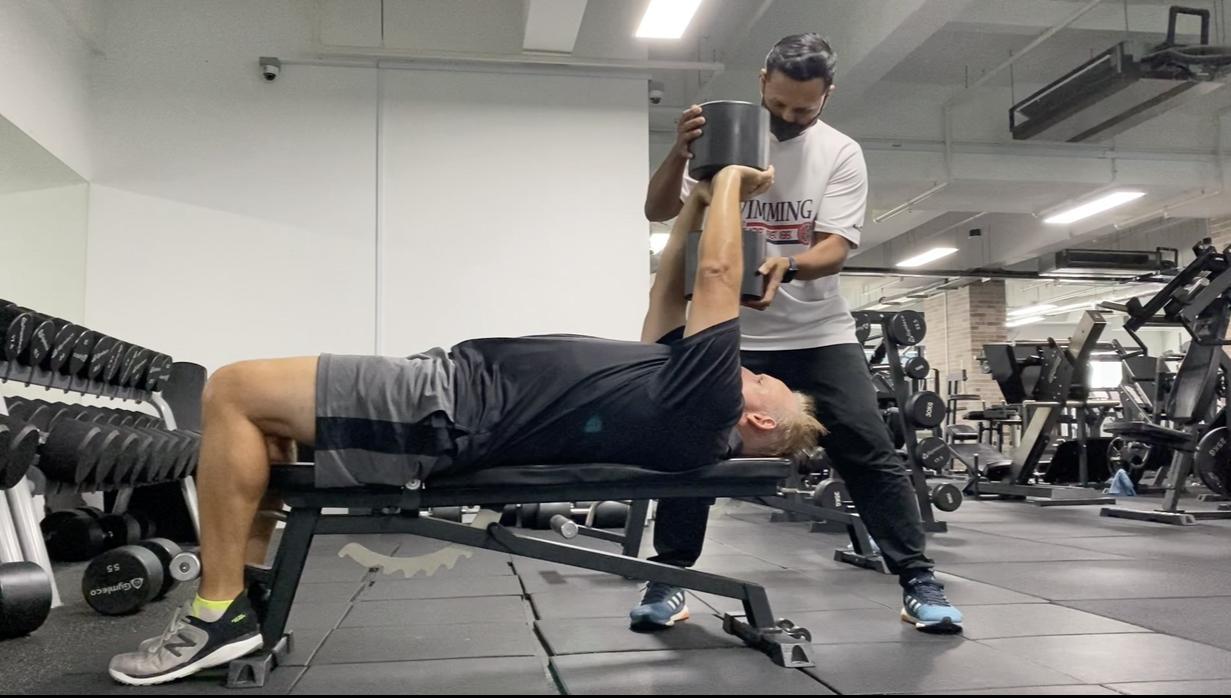
A class is one plan delivered to whoever turns up. Small-group personal training is a plan written for three to six named people, by a coach who knows each one's starting point, injuries and goal before the first session. The group is closed: the same people every week, booked as one slot, at a venue you choose.
| Gym or studio class | Small-group PT (3-6) | 1-to-1 PT | |
|---|---|---|---|
| Who is in the room | Whoever booked | The same 3-6 people every week | You |
| Programme | One workout for everyone | Shared movement patterns, individual loads and versions | Fully individual |
| Coaching attention | Low, spread across the room | Shared; the coach rotates between people | All of it |
| Venue | The studio | Your condo gym, a home, a park or a private gym you book | Anywhere you choose |
| Price on our roster | Not offered | S$35-S$120 per person, median S$45 | Most S$80-S$130 per session |
It is also different from the two smaller formats on this site. Two people sharing a coach is a buddy session, covered on the buddy training page. Parents and children training together run the same way as a small group but with different scheduling problems, covered on the family training page. This page is for friends, colleagues and neighbours: people who share a goal or a calendar but not a household.
How many people can one coach take?
Our small-group format is three to six people, and that range is a policy, not a capacity limit. Under three it is a buddy session with its own rate. Above six, a coach cannot watch every rep, and the session drifts into a class.
- Three or four: the comfortable size. The coach can run everyone through the same block, correct form in real time and still change loads individually.
- Five or six: workable with stations. The coach sets up three stations, people work in pairs, and the coach spends most time at whichever station has the most technical lift.
- A heavy barbell lift: one rack and six people is a queue. Groups that want to squat or deadlift heavy are better at four, or with a dumbbell version for half the group.
What does small-group training cost per person compared with 1-to-1?
On 2 October 2026, 26 Fit Titans coaches published a per-person small-group rate below their own 1-to-1 rate. The range was S$35 to S$120 per person per session, the median S$45, and the typical coach charged about half their 1-to-1 rate per head. The most common pairing, published by seven of those coaches, was S$90 for 1-to-1 and S$45 per person in a small group.
| Measure | Figure |
|---|---|
| Coaches publishing a small-group rate below their own 1-to-1 rate | 26 |
| Lowest per-person rate | S$35 |
| Median per-person rate | S$45 |
| Highest per-person rate | S$120 |
| Small-group rate as a share of that coach's 1-to-1 rate | Median 50%; middle half of coaches 46%-57% |
| Excluded from the count | One rate above the coach's own 1-to-1 rate and one entered per hour |
A worked example at the median. Four colleagues book a coach who charges S$90 1-to-1 and S$45 per person in a small group. Each pays S$45 a session, so the coach receives 4 x S$45 = S$180 for the hour. Twice a week for four weeks is 8 sessions: S$360 each, against S$720 each if all four trained 1-to-1 with the same coach. A condo gym, a home or a park adds nothing to that; a paid venue adds its own entry or booking fee, which you pay directly.
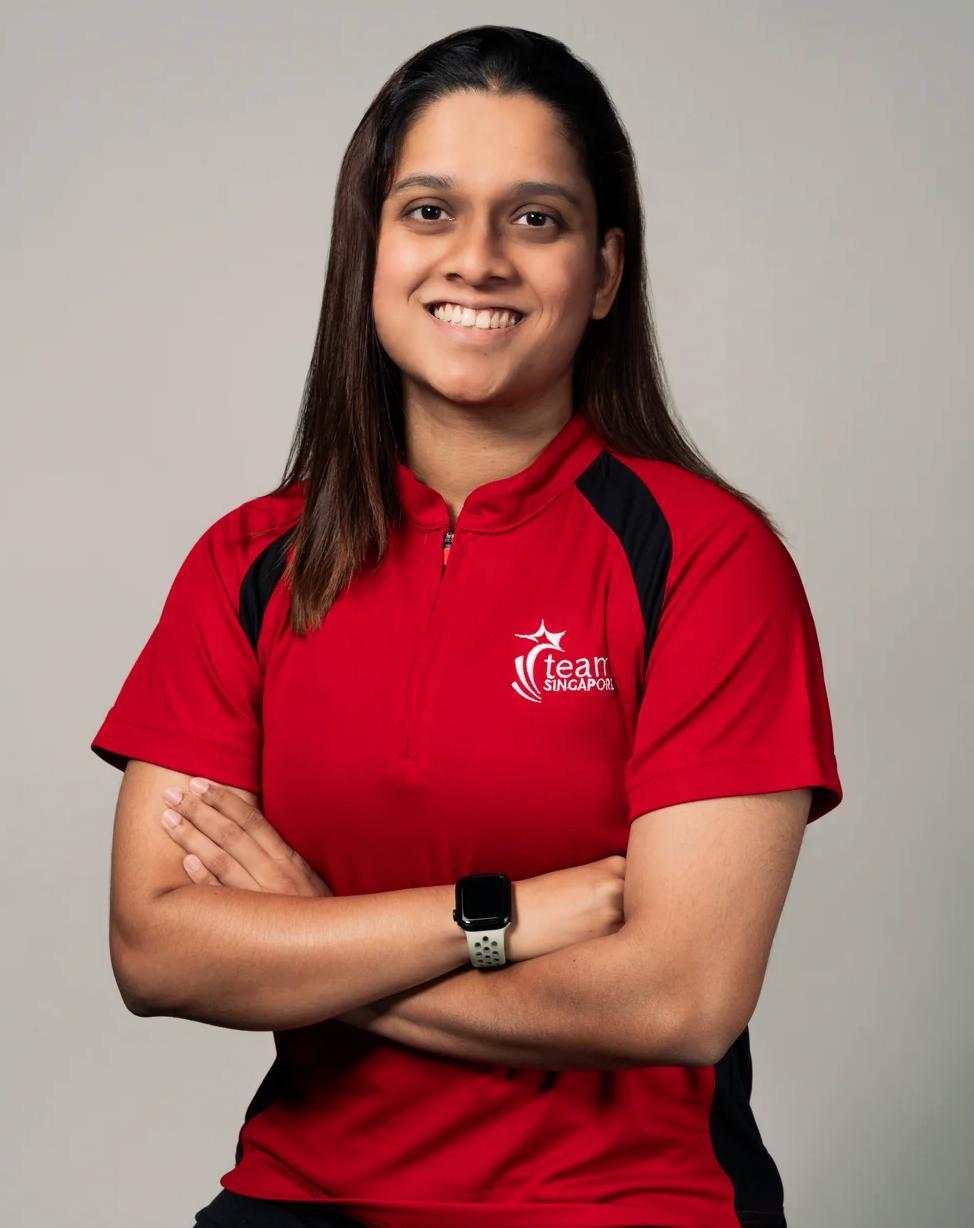
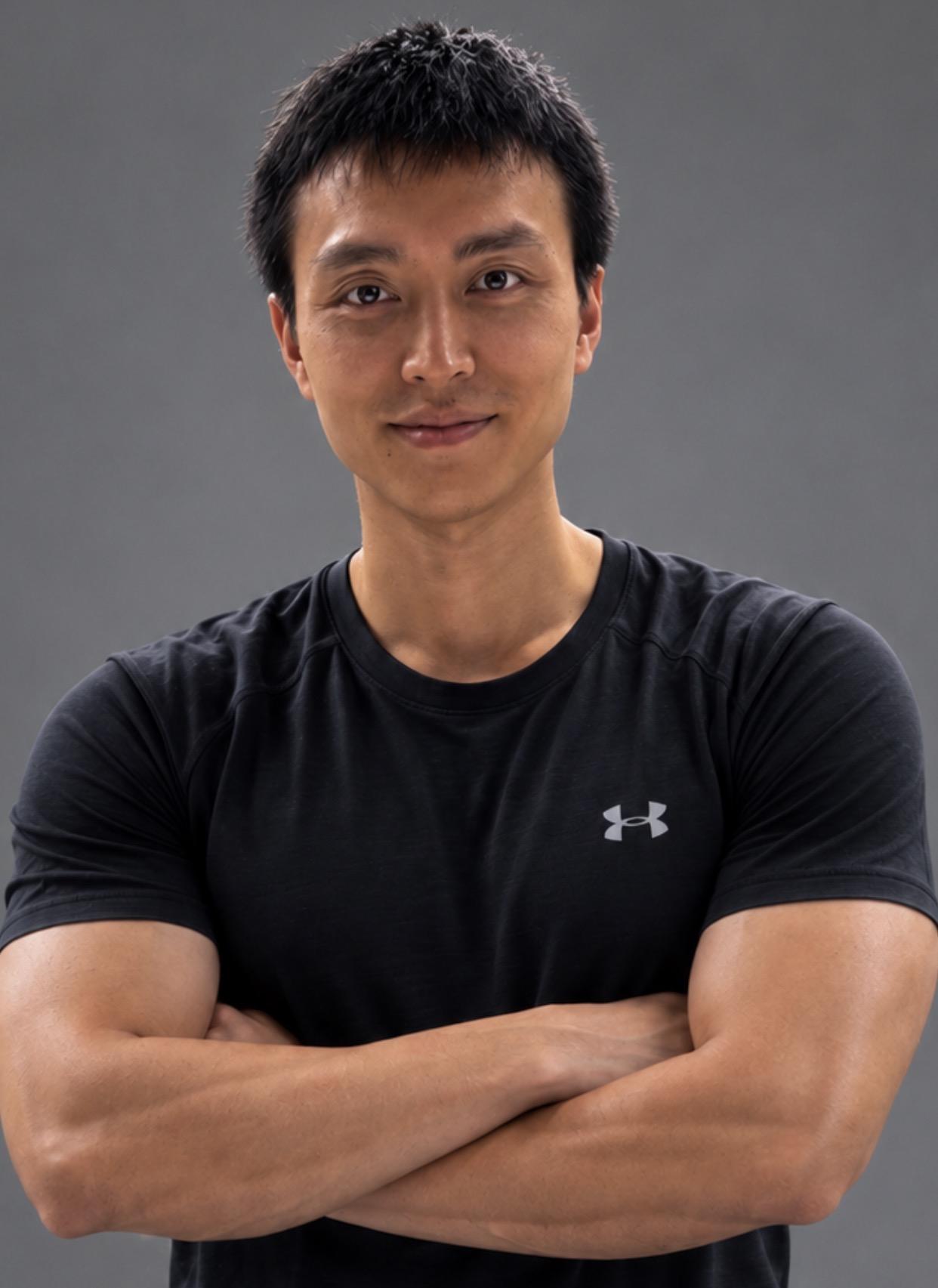
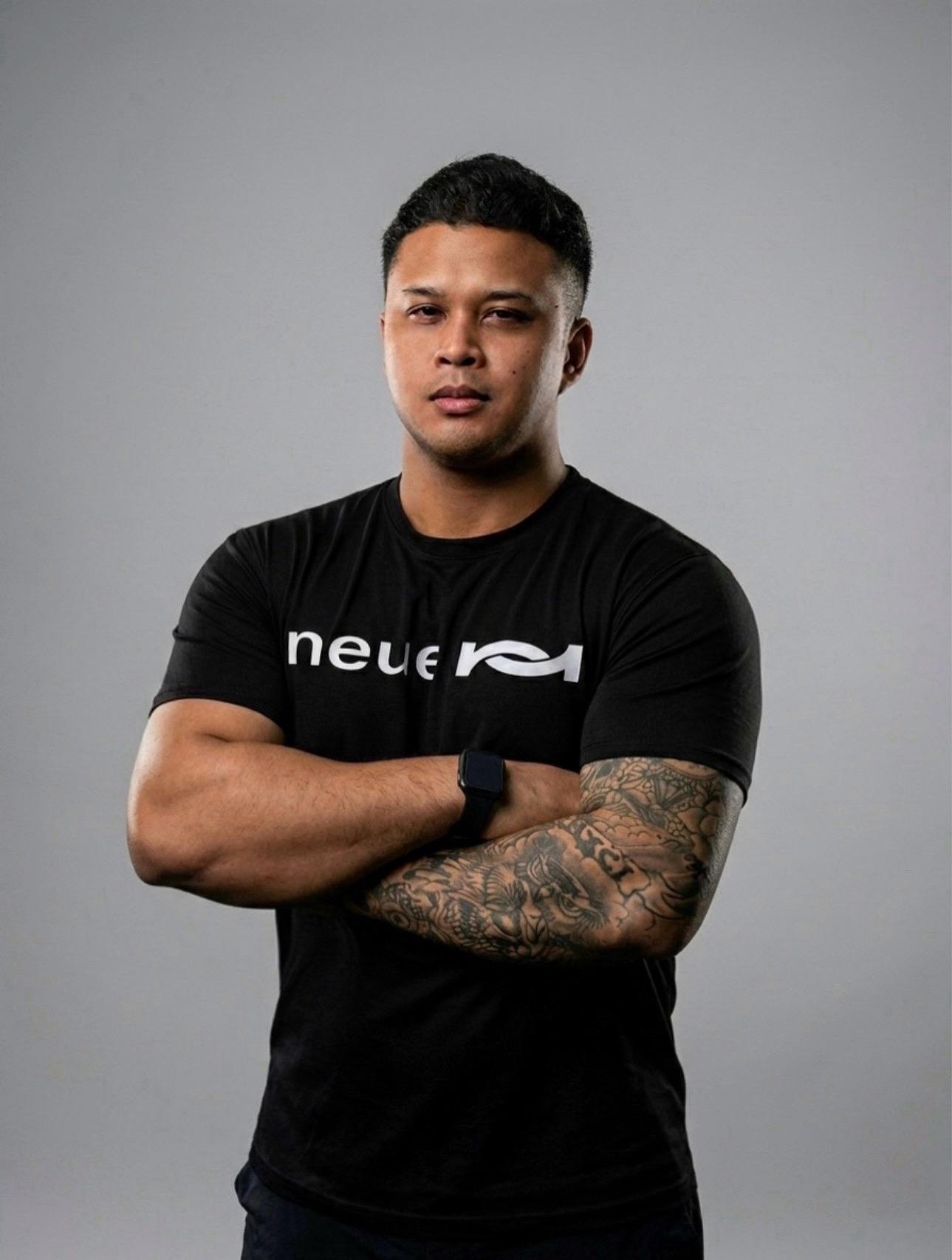
A few named examples, as published on 2 October 2026: Anwarul charges S$80 1-to-1 and S$35 per person in a small group, Melvin S$90 and S$45, Raphael S$130 and S$60, and Lazarus S$130 and S$65. The published figure is one per-head rate for a small group; whether it moves between three people and six is agreed with the coach, so ask. Every coach's current rate is on the pricing page, and the wider market is in the cost guide.
Does the per-person rate change between 3 and 6 people, or for 45 minutes?
The rate falls as the group grows from one to four, and after that it is a conversation. Of the 26 coaches above, 22 also publish a rate for two people, and their medians on 2 October 2026 were S$65 per person for two and S$45 per person for a small group, against a typical 1-to-1 rate of S$90. Nineteen of the 26 label their small-group rate as for 3 to 4 people, one (Raphael) for 3 to 6, and none publishes a separate rate for five or six. So the published per-head figure is the price for three or four; for five or six, ask whether it stays the same or drops, and get the answer in writing.
| People | Typical per-person rate | Coach receives for the hour |
|---|---|---|
| 1 (1-to-1) | S$90 (roster median) | S$90 |
| 2 (buddy) | S$65 (median of 22 coaches) | S$130 |
| 3-4 (small group) | S$45 (median of 26 coaches) | S$135-S$180 |
| 5-6 | No coach publishes a separate rate; agree it with the coach | Agreed in writing |
No coach on our roster publishes a separate 45-minute rate either: every rate here is per 60-minute session. A 45-minute lunchtime slot is common for office groups, so if that is what you want, ask the coach whether they shorten the session at the same per-head rate or price it down, and confirm it before the first booking.
For an outside reference, on 2 October 2026 UFIT's small-group and semi-private page listed training for a group of up to three friends from S$100+ and from S$105+ per person per session, at a studio. ProCoach Sports Academy charged S$100 an hour for one person with a strength and conditioning coach and S$20 for each extra person up to four, so S$40 each for four. Our coaches' 1-to-1 rates mostly sit at S$80 to S$130 because they are independent and come to your condo gym, home or park, so the rate does not have to carry a studio's floor space; the trade-off is that you supply the venue.
Which venues fit four to six people?
A condo gym or a park, in that order, for most groups. Of the 26 coaches with a small-group rate, 25 list condo gyms among the venues they train in, 23 a home, 22 a commercial gym and 13 an outdoor space. What decides it for a group is floor space, equipment for six at once, and whose rules you are under.
| Venue | Works for | Check first |
|---|---|---|
| Condo gym | Neighbours in one development; 3-4 people comfortably, 6 with stations | MCST by-laws on outside trainers and on guests per unit; some gyms cap numbers or need the management office to register the coach |
| Function room or roof terrace in a condo | Six people doing bodyweight, band and kettlebell work | Booking rules and whether exercise is allowed there |
| A client's home | Three or four people with a clear living room or a landed garden | Floor space: roughly 2m by 2m per person |
| Park or fitness corner | Any size, bodyweight, bands and carries; early morning or evening | Heat and rain; shelter nearby; a wet-weather fallback agreed in advance |
| Commercial gym or Gym Pod | Barbell work for three or four | House rules on outside trainers and guests; each person pays their own entry or guest fee. ActiveSG gyms need ActiveSG's prior written approval for any personal training |
The condo gym is the most common choice because the group already lives there and nobody travels, but read the house rules before you book anyone: some estates limit how many guests a resident can bring, and six people from three units is a different conversation from one resident and a trainer. What a typical condo gym can carry is covered in the condo gym training guide. If you are thinking of a public or commercial gym, note that ActiveSG's own rules allow no coaching or personal training in its facilities without its prior written approval; the rules for outside trainers elsewhere are in outside trainers at ActiveSG and commercial gyms.
How does a coach handle mixed fitness levels in one group?
By sharing the movement pattern and splitting everything else. Everyone squats, hinges, pushes, pulls and carries; what changes is the version, the load, the reps and the rest. In a group of five, one person does a goblet squat with 16kg, another a box squat to a bench with 6kg, and a third with a knee history a split squat holding the wall. They work at the same time, and the coach's attention goes to whoever is doing the most technical thing.
Where it stops working is a gap the format cannot absorb: one person preparing for a powerlifting meet and another who has never trained, or someone mid-rehab who needs the coach's eyes on every rep. The fix is not a cheaper group; it is a few 1-to-1 sessions for that person first, then back into the group. A coach who says that is doing the job properly.
What happens if one member cancels or the group shrinks?
The rules that apply to every Fit Titans session apply here, and they are in our client terms: at least 24 hours' notice to cancel or reschedule a confirmed session, and a no-show without notice is counted as a completed session. Rain on an outdoor session moves it rather than costing it.
What the terms do not set is what happens when one of five cannot make it, or when a group of five becomes three for good. We have no standard rule for that, because coaches handle it differently: some keep the per-head rate and run the session for whoever turns up, some ask the group to cover a minimum number of heads. Agree it with the coach, in writing, before anyone pays for a pack. The three questions to settle are whether the session runs if only two people turn up, whether absent members still pay, and what happens to the rate if the group drops below three.
Can colleagues train together at the office or a nearby park?
Yes, and lunchtime groups of four to six are one of the more natural fits for the format. The two venues that work are the building's own gym, if it has one and allows an outside trainer, and a park within walking distance. A 45-minute session suits a lunch hour better than 60, and most office groups settle on one fixed weekday slot plus one session each person does alone from the coach's plan.
Two practical points. The coach will need to be registered as a visitor or contractor by whoever manages the building, so ask facilities before the first session rather than at the lobby. And decide who pays: per-head rates mean each person can pay their own share, which avoids one colleague chasing four others every month. Lunchtime slots in town are covered on the CBD personal training page.
When should you stay 1-to-1 instead?
- You are training around an injury or a diagnosed condition that needs the coach watching every rep, such as recent surgery or age-related muscle loss in a parent. Start 1-to-1, join the group once a clinician and the coach agree you are ready.
- You have a specific test or competition date and the rest of the group does not. An IPPT target or a meet needs a plan built around your numbers.
- You are a complete beginner in a group of experienced lifters. Three or four 1-to-1 sessions on technique first make the group sessions far more useful.
- Your schedule does not match theirs. A group that keeps moving its slot to fit one person stops being a group.
If the issue is only cost, a buddy session with one other person is the middle step: more attention than a group of five, and still far cheaper than 1-to-1. If the group is the right idea but one person needs sport-specific work, a strength and conditioning coach can run the group and write that person's extra session.
How do you book a small group with Fit Titans?
There is no separate group booking flow. Pick a coach whose profile shows a small-group rate, or tell us how many of you there are, where you want to train and when, and we suggest coaches who publish one and cover that area. The rate is confirmed in writing before you book, along with the venue and what happens if someone drops out.
Your first session is a paid trial at 10% off the coach's rate, and if the coach is not the right fit, tell us within 7 days of that first paid session and we re-match you. Packs of 10, 15 or 20 sessions take 5%, 10% or 15% off a coach's rate; ask the coach whether their pack discount applies to the small-group rate, and how a pack is split between several people.