Fit Titans
Build size

Muscle-gain personal trainer in Singapore

Written by the Fit Titans coaching team · Recommended coach: Raphael Teo, FISAF Personal Trainer Certification, 5 years · editorial policy

Build muscle with progressive-overload coaching at your home or condo gym, plus protein and recovery guidance and realistic timelines.

Most sessions S$80-S$130 on our roster (August 2026), each coach sets their own · free consult before you book · 7-day re-match or refund

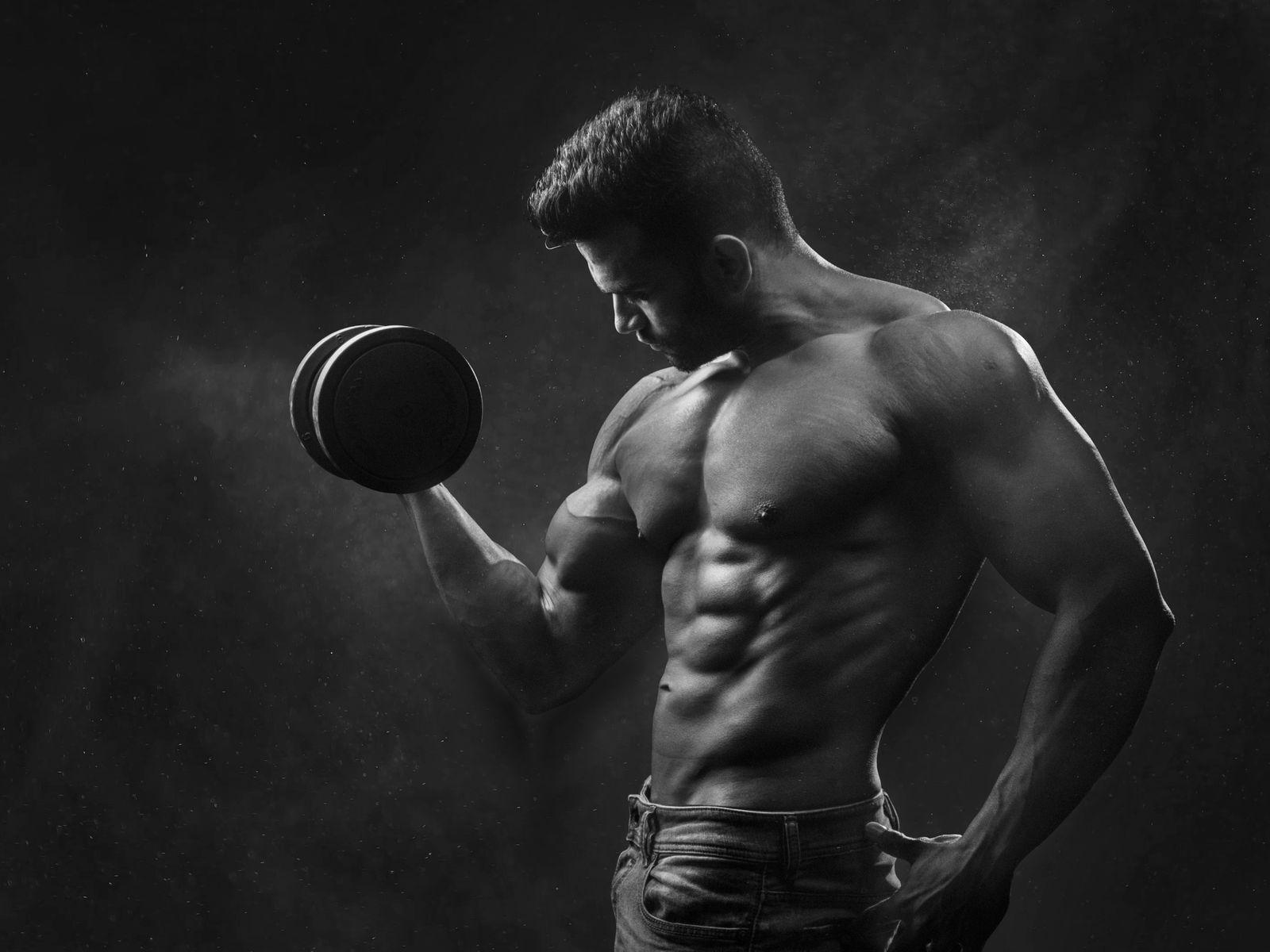
A man lifting a barbell
Add who it is for, your area and budget (optional)

Help us suggest coaches who fit, so your shortlist comes faster.

Availability and the final rate are confirmed before booking.

Free consult first. We WhatsApp you back, usually within the hour between 6am and 10pm.

Not the right fit after your first paid session? Tell us within 7 days and we re-match you or refund it, once per client. Terms

We never sell your number. How we use it

Muscle is built through consistent progressive overload, enough protein, and proper recovery, not random workouts. A Fit Titans trainer comes to you and builds a plan that actually adds size and strength over time.

At a glance

Fit Titans pairs you with a certified trainer - the certifying body varies by coach and is published on their profile - who comes to your home, condo gym or a park to coach muscle gain. Training centres on progressive overload, adequate protein and recovery. Sessions run S$45 to S$210 each depending on the coach, with a median of S$90. Be realistic: drug-free lifters typically add around 0.25 to 0.5kg of muscle per month, so we coach for the long game.

Key facts

  • Trainers hold a recognised certification, published on their own profile, and are matched to your muscle-building goal
  • Mobile service: home, condo gym, or outdoors across Singapore
  • Core method is progressive overload plus adequate protein and recovery
  • Realistic natural muscle gain is about 0.25 to 0.5kg per month
  • 1-to-1 or small-group options available
  • Sessions priced S$45 to S$210 depending on the coach, median S$90
  • Protein above about 1.6g per kg a day added no further muscle in a Br J Sports Med meta-analysis: roughly 112g for a 70kg trainee
  • 10 or more sets per muscle group a week beat fewer than 5 in a J Sports Sci review
  • Two 60-minute full-body sessions a week cover 3 to 5 sets of each pattern, twice
  • Buddy training starts from S$45 per person against a typical 1-to-1 rate of S$80 to S$130

How is muscle actually built?

Muscle growth comes down to three things done consistently: progressive overload (gradually doing more weight, reps or quality work over time), enough protein to support repair, and enough recovery for the muscle to adapt. Your trainer tracks your lifts session to session so the load keeps climbing in a controlled way, rather than guessing or repeating the same workout each week.

  • Progressive overload - small, tracked increases in load, reps or sets across weeks
  • Protein and nutrition - practical daily protein guidance to support growth (general coaching, not a medical plan)
  • Recovery and sleep - programming rest so muscles can adapt between sessions
  • Technique - correct form so the target muscle does the work and you stay injury-free, which is why HealthHub suggests learning the movements with a certified trainer

Can you build muscle at home or in a condo gym?

You don't need a commercial gym to grow. Most Singapore condo gyms have dumbbells, a bench and a cable or two, and that is plenty for a well-programmed hypertrophy block. Where equipment is limited, your trainer uses techniques like higher rep ranges, slower tempos, shorter rest and unilateral work to keep the stimulus high. Bands and adjustable dumbbells are easy additions for home setups, and your trainer can advise on a minimal kit before you spend anything.

1-to-1 or small group: which is better for muscle?

1-to-1 gives you the most precise loading, form correction and programming, which matters most when you are chasing size and strength. Small-group training (with a partner or two) costs less per person and adds accountability, with the tradeoff of less individual attention. Many clients building muscle start 1-to-1 to nail technique, then keep some sessions and train solo in between.

How long does it take to build muscle?

Honesty matters here: muscle gain is slow. A drug-free trainee in their first year or two might add roughly 0.25 to 0.5kg of muscle per month under good training and nutrition, and progress slows the more experienced you get. Beginners often see faster early changes and noticeable strength jumps; the scale and mirror move more gradually. If you are also trying to lose fat at the same time, see our weight loss and body recomposition approach, as combining both changes the timeline.

Rough natural muscle-gain expectations (highly individual)
Training stageApprox. muscle gainWhat to expect
Beginner (year 1)~0.25 to 0.5kg/monthFastest strength and size gains, big technique improvements
IntermediateSlower than beginnerSteady progress, needs more precise programming
AdvancedSlowestSmall gains, requires careful overload and patience

Who is muscle-gain coaching for?

  • Beginners who want to build a base of size and strength with correct form
  • People who feel stuck repeating the same workouts with no progress
  • Busy professionals who want efficient sessions at home or the condo gym
  • Anyone returning to lifting who wants structure and accountability

How much protein do you need to build muscle?

A meta-analysis in the British Journal of Sports Medicine found protein intakes above about 1.6g per kilogram of bodyweight a day added no further muscle from resistance training, so a 70kg trainee is looking at roughly 112g a day, which is about 30g at each of three or four meals.

Daily protein target at about 1.6g per kg, split across meals
BodyweightDaily targetPer meal across 4 mealsWhat that looks like at a hawker centre
55kgAbout 88gAbout 22gFish soup with extra fish, or yong tau foo with the tofu and egg picks
70kgAbout 112gAbout 28gChicken rice with extra chicken and skin off, plus an egg
85kgAbout 136gAbout 34gTwo portions of the meat at a mixed rice stall instead of one
100kgAbout 160gAbout 40gSteamed fish and tofu at an economy rice stall, twice a day

This is general coaching guidance and not a dietitian's meal plan. If you have a kidney condition or a diagnosis that changes your protein needs, we refer you rather than guess. The ordering rules are worked through in eating at hawker centres, and how to build muscle in Singapore covers the programme side.

Free consult

Want this planned for you?

Tell us how long you have trained and what you train with. A first-year lifter and a stalled intermediate need different coaching, not a different programme name.

Add who it is for, your area and budget (optional)

Help us suggest coaches who fit, so your shortlist comes faster.

Availability and the final rate are confirmed before booking.

or WhatsApp us directly

Free consult first. We WhatsApp you back, usually within the hour between 6am and 10pm. Not the right fit after your first paid session? Tell us within 7 days and we re-match you or refund it, once per client. Terms

We use your number to reply about training, never to sell or add you to a list. We also send a hashed record of the enquiry to Meta for ad measurement. Full detail in our privacy policy.

How many sets per muscle a week do you need?

A systematic review in the Journal of Sports Sciences found a dose response for weekly volume, with 10 or more sets per muscle group a week producing more growth than fewer than 5, and across two sessions of 60 minutes that is roughly 3 to 5 sets of each movement pattern, twice.

  • Two sessions a week, full body: each muscle group trained twice, which is the easiest way to reach 10 or more weekly sets without three-hour sessions.
  • 3 to 5 sets per pattern: a push, a pull, a squat, a hinge and a carry. That is the whole session, and it fits inside 60 minutes.
  • Two reps in reserve: stop a set when you could have done two more. It preserves technique, which matters more when the venue is your living room floor.
  • Track the load: progressive overload is the mechanism, and it only happens if last week's numbers are written down.
  • Do not add volume to fix a stall: check sleep, protein and whether you are actually eating enough first. Singapore heat also costs you recovery.

Can a small condo gym support real muscle growth?

Yes, if it has dumbbells up to about 30kg, a bench and a cable station, which is enough for 3 to 5 sets of every movement pattern and years of progression, and where the dumbbells top out your coach shifts to higher reps, slower tempos, shorter rests and single-leg work instead.

A bare HDB living room works too: bands and adjustable dumbbells plus about 3m by 3m of floor. What a typical MCST gym holds is inventoried in the condo gym equipment guide, and condo gym versus commercial gym weighs the equipment gap honestly. Terms such as progressive overload, hypertrophy and RPE are defined in the fitness glossary.

Frequently asked

How fast will I gain muscle?

For a drug-free trainee, expect roughly 0.25 to 0.5kg of muscle per month in the first year or two, slowing with experience. Strength often improves faster than visible size. Anyone promising rapid transformations is not being honest.

Can I build muscle without a full gym?

Yes. A condo gym with dumbbells, a bench and a cable, or even a home setup with adjustable dumbbells and bands, is enough for effective hypertrophy training when the program applies progressive overload.

Should I do 1-to-1 or small group?

1-to-1 gives the most precise loading and form coaching, which suits muscle-building goals. Small group is more affordable and adds accountability with less individual attention. Many clients mix both.

How much does it cost?

Each coach sets their own rate, S$45 to S$210 across the roster with a median of S$90. Packs of 10, 15 and 20 take 5%, 10% and 15% off that coach's rate. Every current rate is on the pricing page.

How much protein should I eat a day to build muscle?

Research pooled in the British Journal of Sports Medicine found no additional muscle gain above roughly 1.6g per kilogram of bodyweight a day. For a 70kg trainee that is about 112g, or 30g at each of three or four meals. This is general guidance; anyone with a kidney condition should ask their doctor first.

How many sets a week do I need per muscle group?

Ten or more sets per muscle group a week produced greater growth than fewer than five in a Journal of Sports Sciences review. Across two 60-minute full-body sessions that means about 3 to 5 sets of each pattern, twice a week. More volume is not automatically better once sleep and food are the limiting factor.

Can I build muscle with dumbbells only up to 20kg?

Yes for a long while. Once the load caps out, your coach raises the difficulty with slower lowering phases, shorter rests, pauses, single-leg and single-arm work and higher rep ranges. A cable station or a bench widens the options further. The cap becomes a real problem only for advanced lower-body strength work.

Why am I not gaining muscle even though I train hard?

Usually one of four things: not eating enough overall, protein well under about 1.6g per kilogram, weekly sets in the low single digits, or no record of last week's loads so nothing actually progresses. Singapore heat and short sleep make it worse. Your coach checks those before adding a fourth session.

Is it cheaper to train with a friend for muscle gain?

Yes. Buddy sessions are priced per person and start from S$45, against a typical 1-to-1 rate of S$80 to S$130. A common pattern on the roster is S$90 for 1-to-1 and S$65 per person for a pair. You get less individual correction, which matters most while you are still learning technique.

Published · last materially revised . Rates quoted anywhere on this site are each coach's own and are confirmed before you book.

Terms used on this page

Progressive overload:
Gradually increasing what you ask of a muscle over weeks: more weight, more reps, more sets or better form under the same load.
Condo gym:
The shared gym in a private condominium, run by the building's management.
Hypertrophy:
An increase in muscle size, driven by resistance training close to fatigue and enough protein.
Body recomposition:
Losing fat and gaining muscle over the same period, so the scale may barely move while clothes fit differently.
RPE:
Rate of Perceived Exertion, a 1 to 10 scale of how hard a set felt.

Full fitness glossary for Singapore.

Sources

General information only, not medical advice. Check with your doctor before starting or changing a training programme.

Recommended coach

Raphael Teo is one of the coaches we'd match you with for this - hypertrophy, powerlifting and progressive strength programming.

Raphael Teo

Functional Strength Coach · 5 years

  • FISAF Personal Trainer Certification
  • First Aid / CPR
View profile
Free consult

How long have you been lifting?

Tell us how long you have trained and what you train with. A first-year lifter and a stalled intermediate need different coaching, not a different programme name.

Add who it is for, your area and budget (optional)

Help us suggest coaches who fit, so your shortlist comes faster.

Availability and the final rate are confirmed before booking.

or WhatsApp us directly

Free consult first. We WhatsApp you back, usually within the hour between 6am and 10pm. Not the right fit after your first paid session? Tell us within 7 days and we re-match you or refund it, once per client. Terms

We use your number to reply about training, never to sell or add you to a list. We also send a hashed record of the enquiry to Meta for ad measurement. Full detail in our privacy policy.

More guides and programmes in this cluster.