

Belly fat12 min read · Updated
How to Lose Belly Fat in Singapore
- Trial 10% off
- No membership
- WhatsApp reply, usually within the hour
The short answer
You cannot choose where fat comes off: in a controlled trial, six weeks of ab exercises five days a week did not reduce belly fat or waist size.
- Belly fat falls with an overall calorie deficit, aerobic exercise has the strongest evidence for cutting the visceral fat around your organs, and strength training keeps your muscle while you do it.
- In Singapore, HPB treats a waist above 90 cm for men or 80 cm for women as abdominal obesity, and NICE classes a waist under half your height as healthy.
- Track your waist every two weeks, because weight loss and fat loss are not the same thing.
Written by the Fit Titans coaching team. Edited by Theon. How we write guides
On this page (12)
- 1. Can you lose belly fat by doing crunches?
- 2. What is visceral fat, and why does it matter more?
- 3. What waist size and BMI are too high in Singapore?
- 4. What is a healthy waist-to-height ratio?
- 5. What actually reduces visceral fat?
- 6. Do you need strength training as well as cardio?
- 7. Does alcohol cause belly fat?
- 8. Can poor sleep or stress add belly fat?
- 9. Why is fat loss not the same as weight loss?
- 10. How long does it take to lose belly fat?
- 11. When should belly fat send you to a doctor?
- 12. How does a Fit Titans coach fit in?
Key facts
- Seven abdominal exercises, five days a week for six weeks, did not reduce belly fat or waist size compared with controls (Vispute, 2011)
- The HPB-MOH guidelines class BMI 23.0 to 27.4 as moderate risk and 27.5 and above as high risk for Asians, against 25 and 30 internationally
- HPB defines abdominal obesity in Asians as a waist above 90 cm in men and 80 cm in women, against 102 cm and 88 cm internationally
- NICE guideline NG246 classes a waist-to-height ratio of 0.5 to 0.59 as increased risk and 0.6 or more as further increased risk
Can you lose belly fat by doing crunches?
No. Spot reduction, the idea that working a muscle burns the fat over it, keeps failing direct tests. In a randomised trial, 24 sedentary adults did seven abdominal exercises, two sets of 10 each, five days a week for six weeks, on a steady diet.
Other studies agree. When 11 young adults trained one leg for 12 weeks, at 960 to 1,200 leg-press repetitions a session, they lost 5.1% of their fat mass from the arms and trunk, not the trained leg (Ramirez-Campillo, 2013). In 104 people training one arm for 12 weeks, callipers hinted at a small local effect in men, but MRI, the more complete measure, found no difference (Kostek, 2007).
Keep the ab work for a stronger trunk, and look elsewhere for the fat.
What is visceral fat, and why does it matter more?
The deeper of the two kinds of belly fat, packed around the internal organs. It matters more because it is metabolically active.
Subcutaneous fat
- Sits just under the skin
- The part you can pinch
Visceral fat
- Packed around the internal organs
- HPB: releases fatty acids, inflammatory agents and hormones that raise LDL cholesterol, blood glucose and blood pressure (HealthHub)
- SingHealth: drives insulin resistance, the route to type 2 diabetes (HealthHub)
- An independent risk marker for cardiovascular and metabolic disease and death, measured by CT or MRI (2019 international position statement)
Independent means risk on top of body weight. So HealthHub warns that someone with a normal BMI can still carry central obesity, which carries more risk than general obesity.
Where fat goes is partly out of your hands. HealthHub notes apple-shaped fat around the middle is more common in men, women more often store fat on the hips and thighs, and stress, through the hormone cortisol, can increase visceral fat storage.
What waist size and BMI are too high in Singapore?
Lower than international cut-offs, as Asians carry more risk at a smaller size. For Asian adults a BMI from 23.0 is moderate risk, from 27.5 high risk, and a waist above 90 cm in men or 80 cm in women is abdominal obesity.
Sources: the HPB-MOH obesity clinical practice guidelines (HPB-MOH, 2016), replacing the international 102 cm and 88 cm waists. HealthHub uses the same BMI bands (HealthHub) and waists (HealthHub). The NHS applies 23 and 27.5 to South Asian, Chinese and other Asian backgrounds.
| Measure | Lower risk | Raised risk | High risk | Source |
|---|---|---|---|---|
| BMI, Asian adults (Singapore) | 18.5 to 22.9 | 23.0 to 27.4 | 27.5 and above | HPB-MOH 2016, HealthHub |
| BMI, international (for comparison) | Under 25 (not classed as overweight) | 25 to 29.9 | 30 and above | NHS |
| Waist, Asian men | 90 cm or less | Above 90 cm | No separate band | HPB-MOH 2016, HealthHub |
| Waist, Asian women | 80 cm or less | Above 80 cm | No separate band | HPB-MOH 2016, HealthHub |
| Waist, international (for comparison) | Men up to 102 cm, women up to 88 cm | Men above 102 cm, women above 88 cm | No separate band | HPB-MOH 2016 |
| Waist-to-height ratio (adults with BMI under 35) | 0.4 to 0.49 | 0.5 to 0.59 | 0.6 or more | NICE NG246, via GPnotebook |
| Waist-to-hip ratio | Men 0.9 or less, women 0.85 or less | Men above 0.9, women above 0.85 | 1.0 or more in either sex | HealthHub, citing WHO, HealthHub |
The reason is body fat. A Singapore study measuring it directly found the fat a European carries at a BMI of 30 at about 27 in Chinese and Malays, and 26 in Indians. A WHO expert consultation found a substantial share of Asians at high risk of type 2 diabetes and heart disease below a BMI of 25, and proposed 23 and 27.5 as points for public health action.
In 2022, 11.6% of residents aged 18 to 74 were obese, up from 10.5% in 2019/2020 (National Population Health Survey, HealthHub).



What is a healthy waist-to-height ratio?
Below 0.5, meaning a waist less than half your height. NICE guideline NG246, published in January 2025, tells clinicians to measure waist-to-height ratio alongside BMI in adults with a BMI under 35, and classes 0.4 to 0.49 as healthy, 0.5 to 0.59 as increased risk and 0.6 or more as further increased risk, for both sexes and all ethnicities (summarised by GPnotebook). The NHS puts it for the public as keeping your waist to less than half your height.
It is the easiest measure to use because it scales with your frame. Divide your waist by your height, in the same units. At 1.60 m, half your height is 80 cm, the same as HPB's cut-off for women. At 1.75 m it is 87.5 cm, a little stricter than HPB's 90 cm for men. Treat whichever number you cross first as your signal to act.
What actually reduces visceral fat?
An overall calorie deficit, and visceral fat responds well. A systematic review of 61 studies found it falls faster in percentage terms than fat under the skin with modest weight loss, an edge that shrinks as loss grows, whatever the method.
SingHealth on HealthHub agrees: losing weight healthily is the most effective way to reduce it (HealthHub). Here the deficit is built at the hawker centre: the hawker eating guide goes dish by dish.
Exercise helps even without dieting, aerobic work most. A meta-analysis of 15 studies (852 people) found moderate or high intensity aerobic training cut it by more than 30 cm² on CT in women and 40 cm² in men, even within 12 weeks. A second meta-analysis of 35 trials found aerobic exercise beat no exercise, and resistance training alone did not.
Head to head in overweight adults: STRRIDE AT/RT.
Weights only (STRRIDE AT/RT)
- Three days a week for eight months
- Cut the fat under the skin of the belly
- Did not cut visceral fat
- Gained more lean mass
Aerobic (STRRIDE AT/RT)
- About 19 km a week at 75% of peak aerobic capacity
- Cut visceral fat, liver fat and total abdominal fat
- Adding weights gave the same visceral result
- Lost more fat
Do you need strength training as well as cardio?
Yes, for a different reason. Weights did not shift visceral fat, but they protect the muscle a deficit would otherwise take. In STRRIDE AT/RT, lifters gained more lean mass, while the aerobic and combined groups lost more fat.
Singapore asks for both. HealthHub: 150 to 300 minutes of moderate aerobic activity a week plus muscle strengthening on at least 2 days (HealthHub). For weight loss, HPB-MOH: 150 to 420 minutes a week, strength on two non-consecutive days (HPB-MOH, 2016).
- MonStrengthWalk
- TueWalk or ride
- WedWalk or ride
- ThuStrengthWalk
- FriWalk or ride
- SatWalk or ride
- SunRest
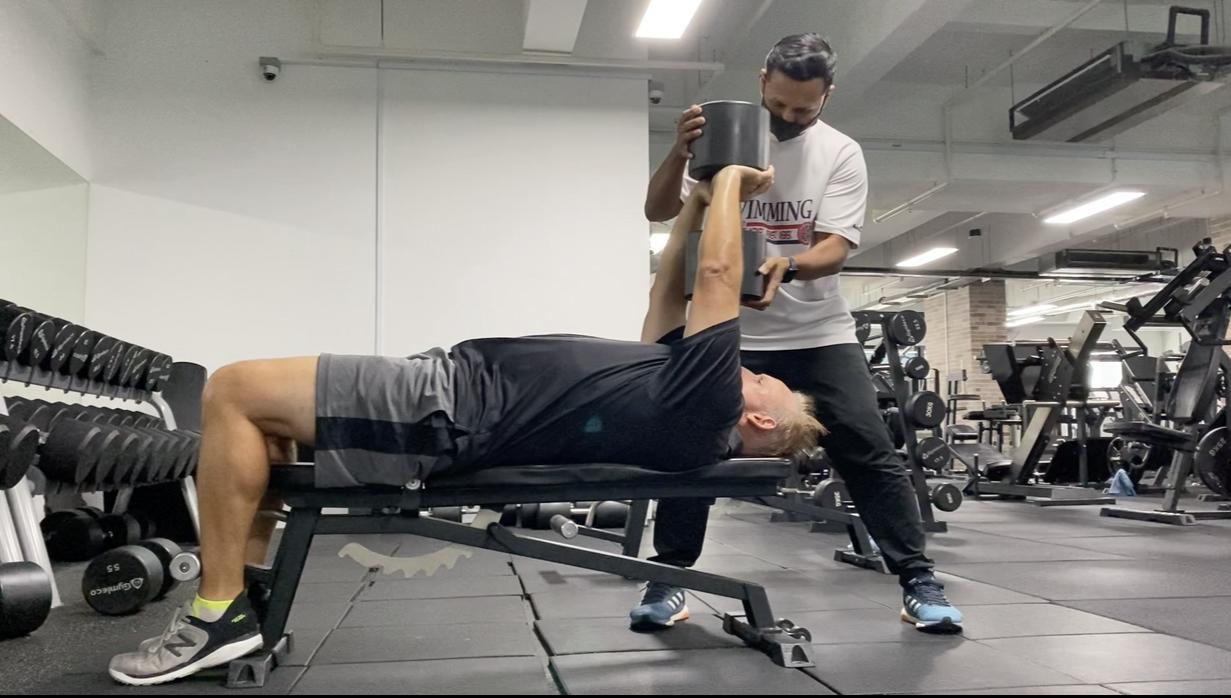
In the heat, walk after dinner or early morning, on a park connector or covered mall link. Lift in a condo gym, at home with dumbbells or at a fitness corner. Borderline blood sugar? Exercise for prediabetes sets out the same split around glucose.
Does alcohol cause belly fat?
Heavy drinking is linked to it. Moderate drinking is less clear. A systematic review of 47 studies on beer found the evidence too weak to say whether under 500 ml a day affects waist size, but intakes above 500 ml a day may be linked to abdominal obesity.
Alcohol brings calories with it as well: a 330 ml can of beer is 135 kcal and a 100 ml glass of wine is 89 kcal on HPB's SG FoodID figures.
SingHealth's advice on HealthHub for visceral fat includes avoiding or limiting alcohol (HealthHub). HPB's limit for people who drink is two drinks for men and one for women in a session, with the reminder that no amount is free of health effects (HealthHub).
Can poor sleep or stress add belly fat?
Sleep can, in at least one tightly controlled study. In a 21-day inpatient trial published in JACC in 2022, 12 healthy, non-obese adults spent 14 days with either 4 or 9 hours of sleep opportunity a night and free access to food.
On short sleep they ate more and gained more weight. Total body fat did not differ between the two conditions, but abdominal fat rose only during the short-sleep phase, in both the subcutaneous and the visceral layers.
HPB suggests adults aim for about 7 hours (HealthHub). On stress, HealthHub says raised cortisol can increase visceral fat storage (HealthHub). Neither replaces the deficit, but both make it harder to hold. The guide to why you are not losing weight covers what short sleep does to the fat-to-muscle split of a diet.
Why is fat loss not the same as weight loss?
Weight is fat plus muscle, water, stored carbohydrate and gut contents, and only the fat is the target. HealthHub is blunt that weighing scales are not an accurate representation of how much body fat you have (HealthHub).
In STRRIDE AT/RT lifting added lean mass while aerobic work removed fat, so the combined group's scale change understated their fat loss. Track these instead.
- 01Waist, every two weeksSame tape, close to the skin, midway between lowest rib and top of hip bone, read breathing out (HealthHub). Morning, before food.
- 02Photos, every four weeksFront and side, same spot, light and clothes. They catch what the tape misses.
- 03Weight, as a weekly averageUseful, but last in line.
- 04Clothes and belt notchCrude, free and honest.
Waist falling, weight flat: you are losing fat and holding or gaining muscle, the aim of body recomposition.
How long does it take to lose belly fat?
Months, not weeks, and nobody can promise a number. Singapore's guidelines aim for 5-10% of body weight over six months, at no more than 0.5 to 1 kg a week (HPB-MOH, 2016).
- Weeks 1-2Mostly waterQuick scale drops. Glycogen is stored with at least 3 g of water per gram (Fernandez-Elias, 2015), so fewer carbs release some. Not fat.
- Weeks 4-12Visceral fat fallsAerobic training trials measured it falling within 12 weeks, even without dieting (Vissers, 2013). Use the tape.
- First 5% lostEarly losses countVisceral fat goes preferentially with modest loss, so 5% can matter more for health than the mirror shows (Chaston and Dixon, 2008).
- About 6 monthsLoss levels offAverage trial loss levels off around six months, at 5 to 8.5 kg (Franz, 2007).
Expect to adjust the plan there.
When should belly fat send you to a doctor?
This page is general information, not a diagnosis. See a doctor in any of these cases:
- 01Your waist is above HPB's cut-offs or more than half your heightThe NHS lists a waist larger than half your height among the reasons to see a GP, along with diabetes, high blood pressure or a family history of obesity (NHS). HealthHub links waists of 90 cm and above in men and 80 cm and above in women to higher type 2 diabetes risk (HealthHub).
- 02Your belly is swollen rather than softThe NHS treats a swelling or lump in the tummy, or bloating with stomach ache, vomiting or fever, as a reason for an urgent appointment, and bloating with unintended weight loss or blood in your poo as a reason to see a GP (NHS). That is not fat.
- 03Weight is moving to your middle in your 40s or 50sFor women, perimenopause weight gain and training covers what changes and what to ask your doctor.
- 04You plan to start hard trainingWith heart disease, diabetes, high blood pressure or chest symptoms on exertion. Get cleared first.
How does a Fit Titans coach fit in?
A coach does not change the biology. A coach makes the aerobic minutes and two strength sessions happen, adjusts the load as you get fitter, and keeps the waist measurements honest.
Fit Titans matches you with a verified freelance coach at home, in your condo gym, at a park or a Gym Pod, with no membership. Verified means we checked their certification against the issuing body, matched their experience to your goal, followed up references and assessed their coaching in person.
The first session is a paid trial at 10% off. Then packs: 5 sessions at the full rate, or 10, 15 or 20 sessions at 5%, 10% or 15% off, and sessions do not expire. How it works: weight-loss coaching.
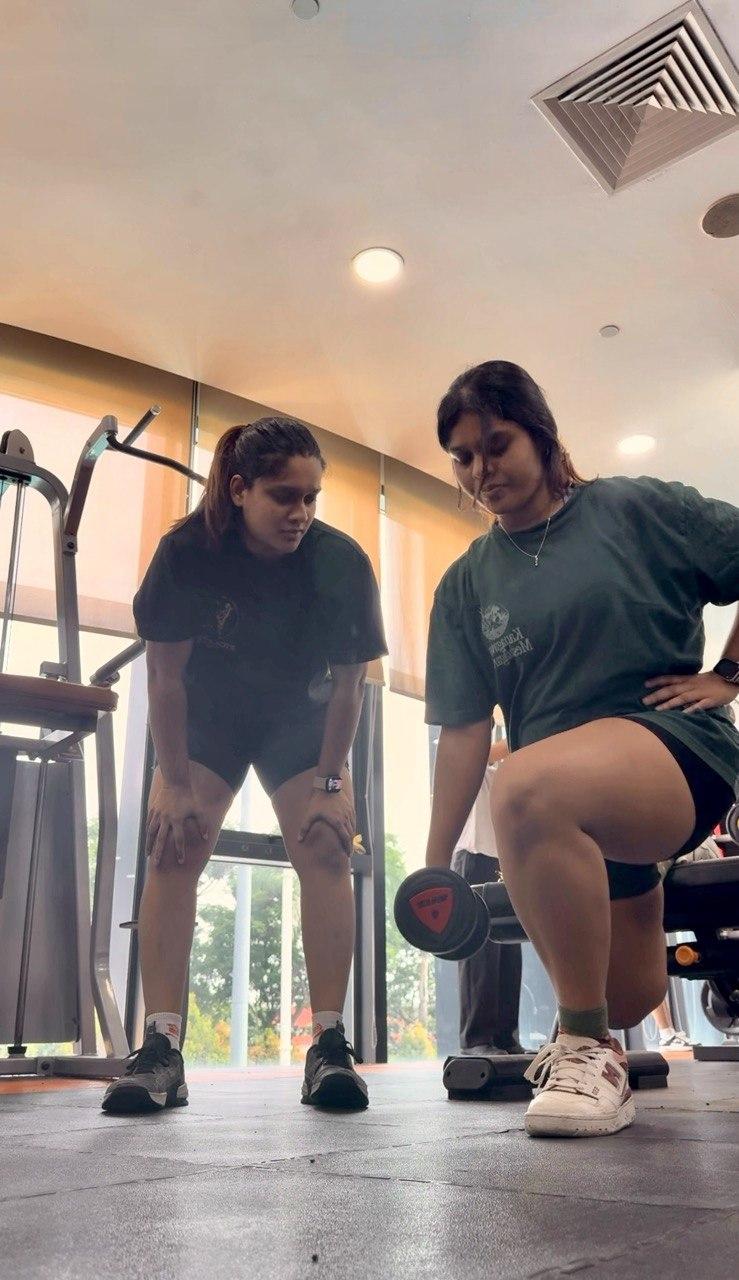
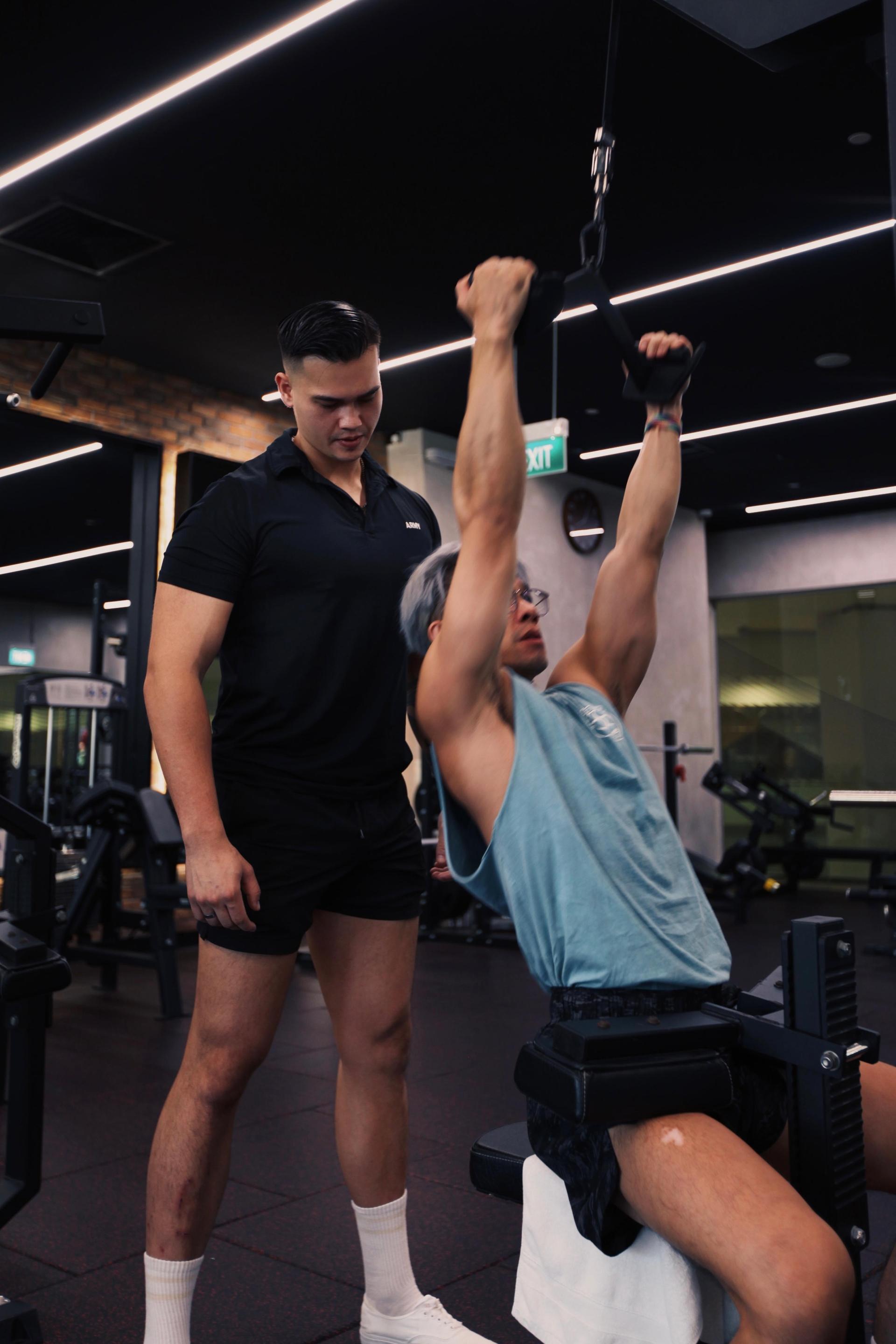
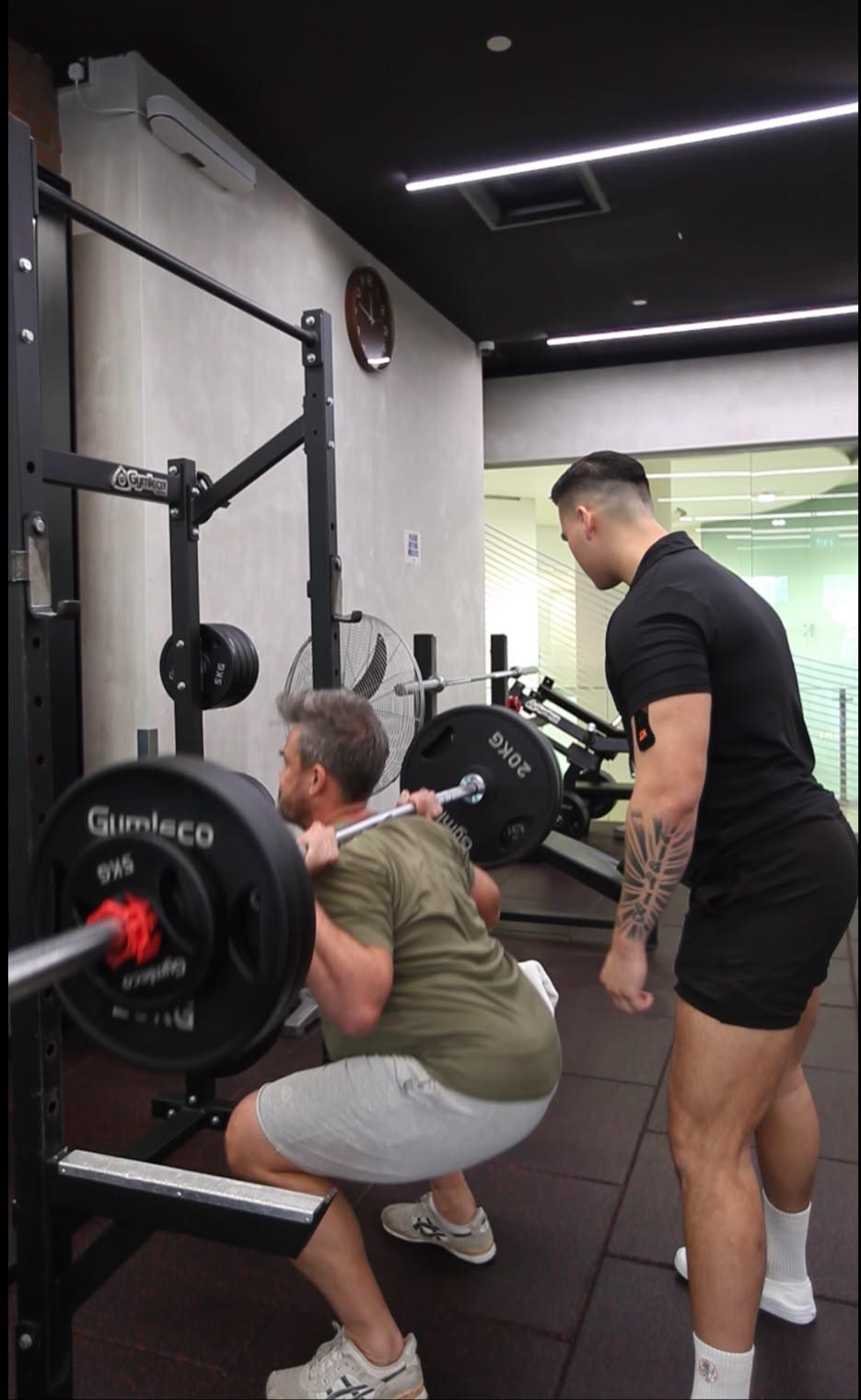
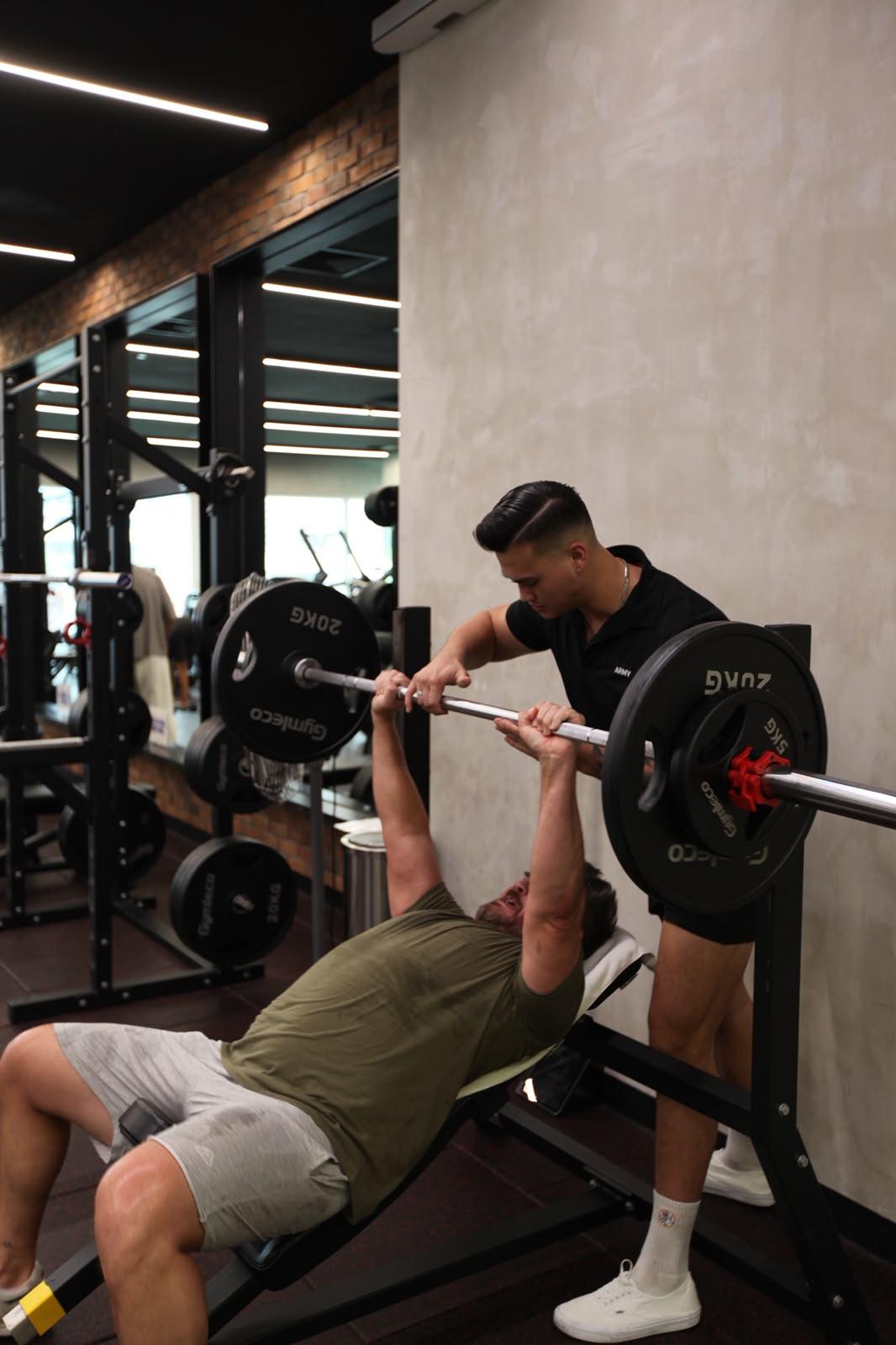
Our coaches at work
Real sessions from our coaches' own galleries. Swipe for more.



Questions.
What is the fastest way to lose belly fat?
There is no fast way that targets the belly. An overall calorie deficit plus regular aerobic exercise reduced visceral fat most reliably in trials, and strength training protects muscle while you do it. Singapore's HPB-MOH guidelines cap the rate of weight loss at 0.5 to 1 kg a week.
Do ab exercises flatten your stomach?
They strengthen it but do not burn the fat over it. In a six-week trial, seven ab exercises five days a week improved curl-up endurance but did not reduce belly fat or waist size. A stronger trunk is still worth having. Pair it with a calorie deficit and aerobic work.
Is walking enough to lose belly fat?
Walking counts as aerobic exercise, and a meta-analysis found moderate or high intensity aerobic training reduced visceral fat even without dieting. HealthHub's target is 150 to 300 minutes a week. For the fat to keep coming off you also need a calorie deficit, and strength work twice a week protects your muscle.
Why do I have a big belly when my BMI is normal?
BMI cannot see where fat sits. HealthHub notes that someone with a normal BMI can still have central obesity, and a Singapore study found Chinese, Malays and Indians carry more body fat than Europeans at the same BMI. Measure your waist: above 90 cm for men or 80 cm for women, or more than half your height, is worth acting on.
Does stress cause belly fat?
It can contribute. HealthHub says stress raises cortisol, which can increase visceral fat storage, and short sleep raised visceral fat in a controlled trial. Managing stress and sleeping about 7 hours support the main work, which is still a calorie deficit and regular exercise.
How much belly fat can I lose in a month?
Nobody can give you a figure for the belly alone, because you cannot choose where fat comes off. Singapore's guidelines cap total weight loss at 0.5 to 1 kg a week, so about 2 to 4 kg a month at most, and some early loss is water. Measure your waist every two weeks to see the fat part.

About this guide
Published
Terms used
Sources
- The effect of abdominal exercise on abdominal fat, 2011 (read 26 Oct 2026) · PubMed / Journal of Strength and Conditioning Research
- Regional fat changes induced by localized muscle endurance resistance training, 2013 (read 26 Oct 2026) · PubMed / Journal of Strength and Conditioning Research
- Subcutaneous fat alterations resulting from an upper-body resistance training program, 2007 (read 26 Oct 2026) · PubMed / Medicine and Science in Sports and Exercise
- Do you know all there is to know about your belly fat? (read 26 Oct 2026) · HealthHub / Health Promotion Board
- Is diabetes one of the dangers of visceral fat (belly fat)? (read 26 Oct 2026) · HealthHub / SingHealth
- Visceral and ectopic fat, atherosclerosis, and cardiometabolic disease: a position statement, 2019 (read 26 Oct 2026) · PubMed / Lancet Diabetes and Endocrinology
- Health Promotion Board-Ministry of Health Clinical Practice Guidelines: Obesity, Singapore Medical Journal 2016 (read 26 Oct 2026) · Health Promotion Board and Ministry of Health, via PubMed Central
- Weight, BMI and health problems: BMI bands (read 26 Oct 2026) · HealthHub / Health Promotion Board
- What is a healthy weight? Waist-to-hip ratio (read 26 Oct 2026) · HealthHub / Health Promotion Board
- Overweight and obesity in adults (read 26 Oct 2026) · NHS
- The paradox of low body mass index and high body fat percentage among Chinese, Malays and Indians in Singapore, 2000 (read 26 Oct 2026) · PubMed / International Journal of Obesity
- Appropriate body-mass index for Asian populations and its implications for policy and intervention strategies, 2004 (read 26 Oct 2026) · PubMed / The Lancet (WHO Expert Consultation)
- Obesity in Singapore: it's not a small world, National Population Health Survey figures (read 26 Oct 2026) · HealthHub / Health Promotion Board
- Waist-to-height ratio: summary of NICE guideline NG246 (January 2025) (read 26 Oct 2026) · GPnotebook
- Factors associated with percent change in visceral versus subcutaneous abdominal fat during weight loss, 2008 (read 26 Oct 2026) · PubMed / International Journal of Obesity
- The effect of exercise on visceral adipose tissue in overweight adults: a systematic review and meta-analysis, 2013 (read 26 Oct 2026) · PubMed / PLoS One
- A systematic review and meta-analysis of the effect of aerobic vs. resistance exercise training on visceral fat, 2012 (read 26 Oct 2026) · PubMed / Obesity Reviews
- Effects of aerobic vs. resistance training on visceral and liver fat stores, STRRIDE AT/RT 2011 (read 26 Oct 2026) · PubMed / American Journal of Physiology, Endocrinology and Metabolism
- Effects of aerobic and/or resistance training on body mass and fat mass in overweight or obese adults, 2012 (read 26 Oct 2026) · PubMed / Journal of Applied Physiology
- Is beer consumption related to measures of abdominal and general obesity? A systematic review and meta-analysis, 2013 (read 26 Oct 2026) · PubMed / Nutrition Reviews
- Singapore Food Insights Database (SG FoodID): beer and wine entries (read 26 Oct 2026) · Health Promotion Board
- Responsible drinking: know your alcohol limit (read 26 Oct 2026) · HealthHub / Health Promotion Board
- Effects of experimental sleep restriction on energy intake, energy expenditure, and visceral obesity, 2022 (read 26 Oct 2026) · PubMed / Journal of the American College of Cardiology
- The importance of sleep (read 26 Oct 2026) · HealthHub / Health Promotion Board
- Why can't I manage my weight? (read 26 Oct 2026) · HealthHub / Health Promotion Board
- Relationship between muscle water and glycogen recovery after prolonged exercise in the heat, 2015 (read 26 Oct 2026) · PubMed / European Journal of Applied Physiology
- Weight-loss outcomes: a systematic review and meta-analysis of weight-loss clinical trials with a minimum 1-year follow-up, 2007 (read 26 Oct 2026) · PubMed / Journal of the American Dietetic Association
- Bloating: when to see a GP (read 26 Oct 2026) · NHS
General information, not medical advice.