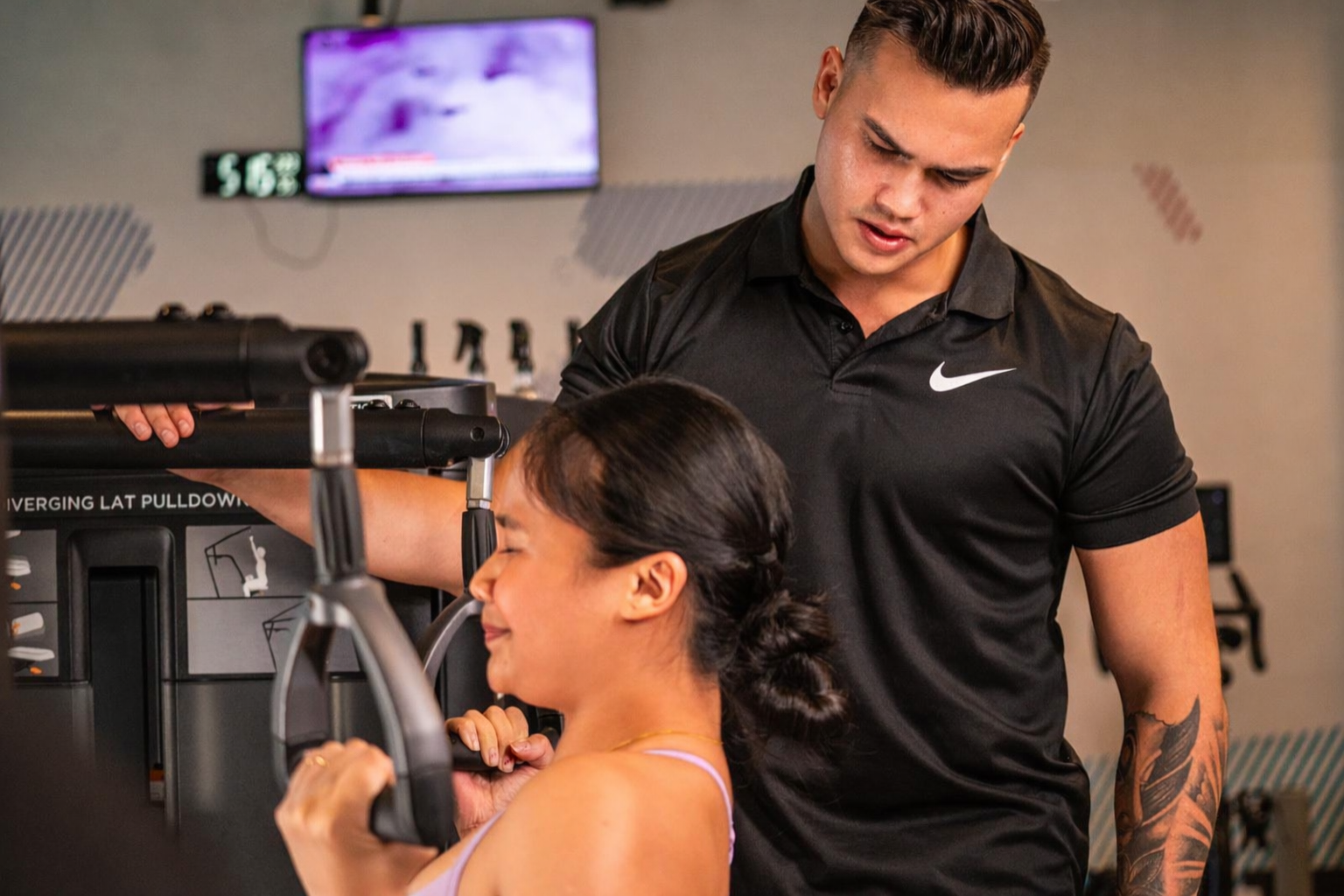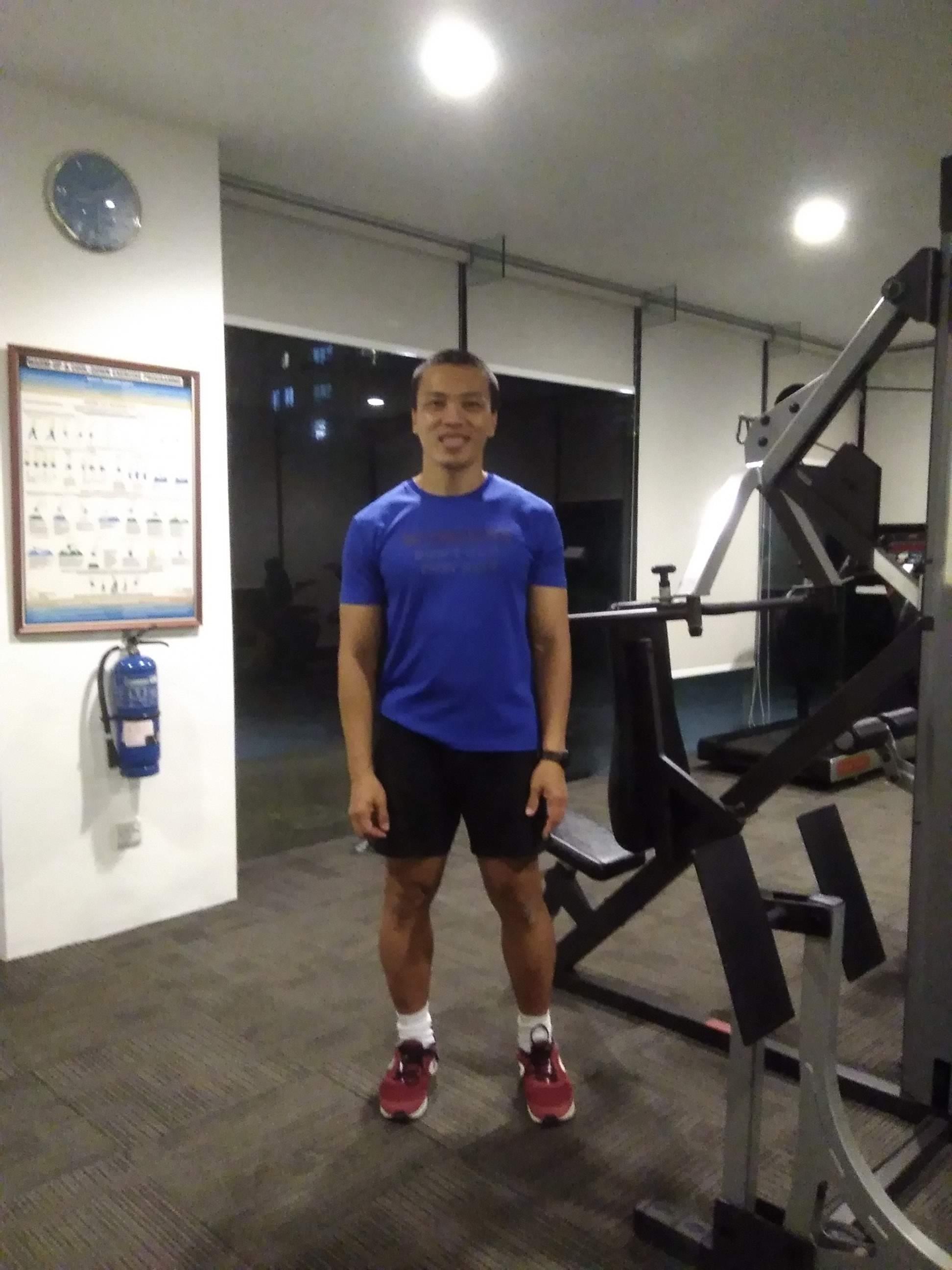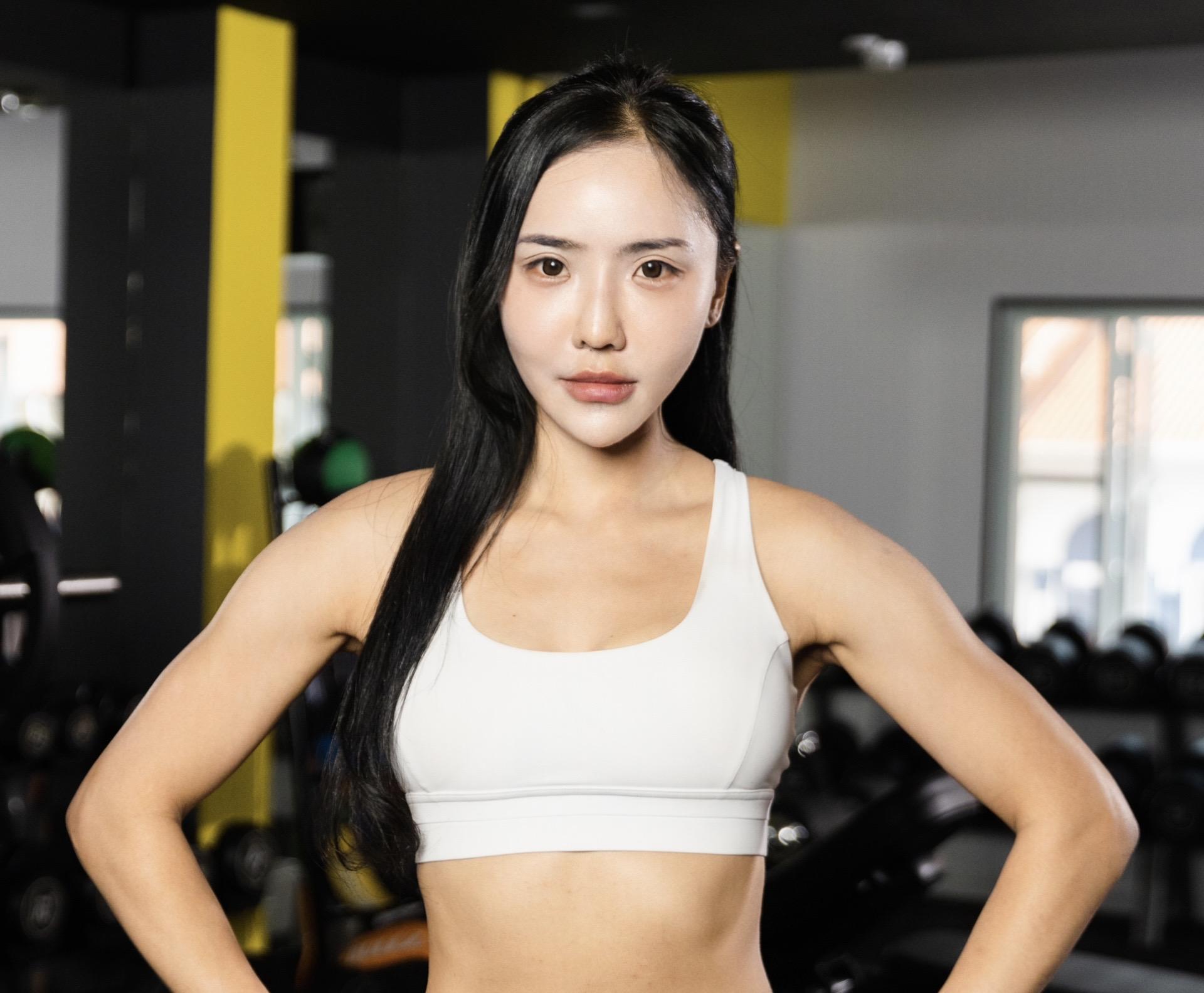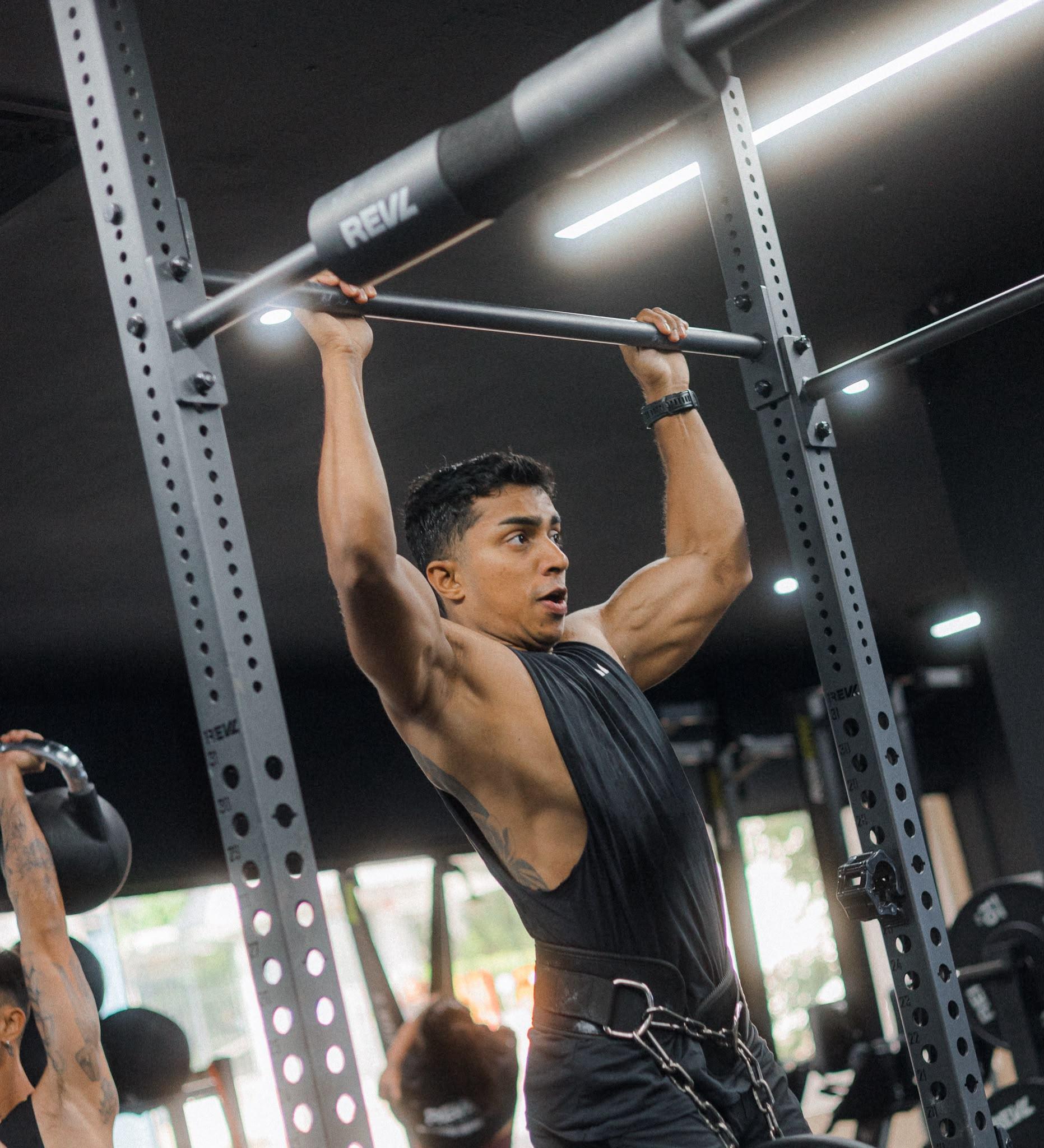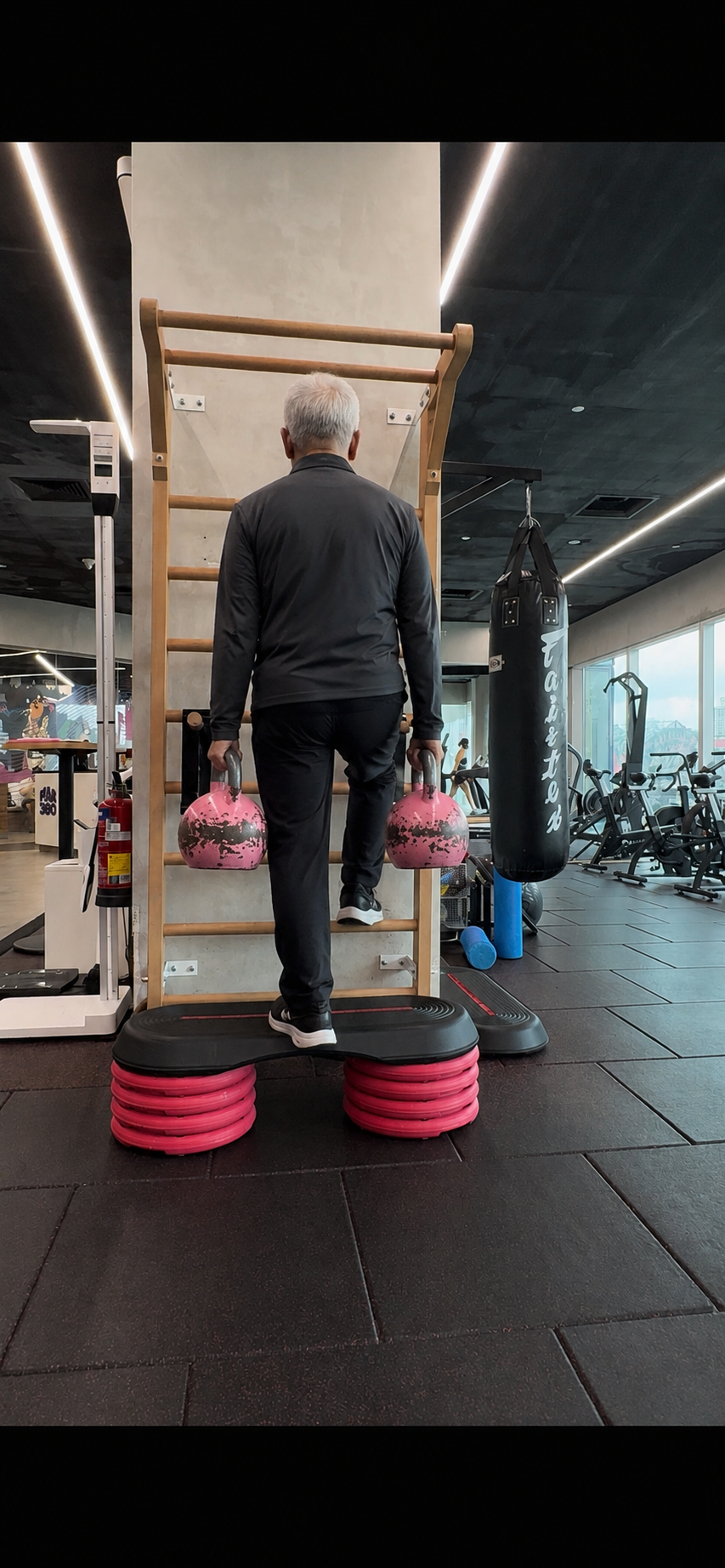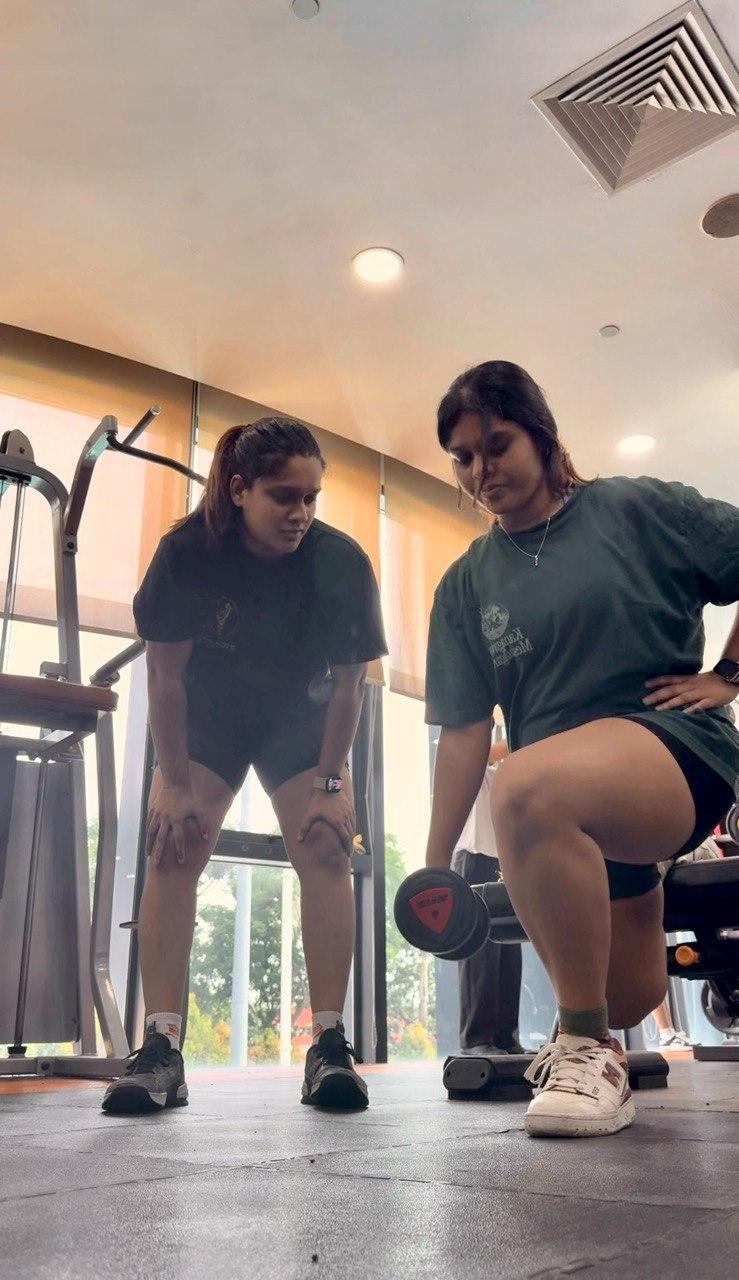
 Photo: Dimanya with a client






Is it too late to start strength training at 40, 50 or 60?
No. Some of the best evidence comes from women who started late. In the LIFTMOR trial (Watson and colleagues, Journal of Bone and Mineral Research, 2018), 101 postmenopausal women aged around 65, all with low bone mass, did either 8 months of twice-weekly, 30-minute supervised sessions of heavy lifts (5 sets of 5 at over 85% of their maximum, plus jumping) or an unsupervised, low-intensity programme at home. The lifting group's lumbar spine bone density rose 2.9% while the other group's fell 1.2%, the lifting group did better on every functional test, and there was one minor injury, a back spasm.
The two groups differed in load, supervision and setting, so the trial cannot say which mattered most; what it does show is that heavy lifting, supervised, was safe and effective for these women. They were around 65, had low bone mass, were screened first and trained under what the authors call highly supervised conditions, so the trial is strongest evidence for that group. Heavy lifts like theirs need real equipment: a condo gym with a rack, or a private Gym Pod, whose pricing page listed $6 to $12 per 30 minutes on 23 October 2026. For a woman in her 40s with no bone problems, the general guideline below applies, and dumbbell and band work at home still counts as muscle strengthening. A meta-analysis of young and middle-aged adults (Roberts and colleagues, Journal of Strength and Conditioning Research, 2020) also found that women gain muscle and leg strength at similar relative rates to men on the same programme.
What changes for women after 40?
- Periods change first. KK Women's and Children's Hospital says menopause in Singapore typically occurs from 45 to 55, at 49 on average, earlier than the Western average of 51. SingHealth defines it as 12 months without a period; the years of irregular cycles before it are perimenopause.
- Bone. HealthHub notes that women older than 50 start using up their bone deposits faster than they can rebuild them, and lists menopause before 45 as a risk factor for osteoporosis. Its two recommended exercise types are weight-bearing and resistance work.
- Where fat goes. In a four-year study (Lovejoy and colleagues, International Journal of Obesity, 2008) of women through the menopausal transition, only those who became postmenopausal gained significant deep abdominal fat, and their energy spent during sleep fell further than in women still premenopausal.
- Sleep and symptoms. Hot flushes, night sweats, aches and poor sleep are common around menopause (SingHealth), and change how hard a session can be on a given day.
Can a personal trainer help with menopause symptoms?
Possibly a little, but do not hire a coach for that, and a coach who promises it is overselling. The evidence is mixed. A 2014 Cochrane review (Daley and colleagues) of five trials with 733 women found too little evidence to show exercise reduces hot flushes or night sweats. A 2019 Swedish trial (Berin and colleagues, Maturitas) of 58 women, mean age 55, found that 15 weeks of resistance training three times a week cut moderate and severe hot flushes by 44%, against 2% in the comparison group. The Menopause Society's 2023 position statement still lists exercise as not recommended as a treatment for hot flushes, and names hormone therapy as the most effective one.
So symptoms are a conversation for your GP, a polyclinic or a menopause clinic. What a coach can do is build the muscle and bone those same years erode, and plan around symptoms: cooler early slots, a fan and water in the condo gym, and lighter work after a bad night.
What does a training week look like after 40?
| Part of the week | How much | Why |
|---|---|---|
| Strength sessions | 2, or 3 once you are used to it | HealthHub's 2 days of muscle strengthening; the LIFTMOR group trained twice a week |
| Main movements | A squat, a hip hinge, a push, a pull and a carry | They load the hips and spine, where bone density is measured |
| Load | Light while learning, then heavier as form holds | LIFTMOR built up to 5 sets of 5 at over 85% of maximum, under supervision |
| Moderate activity | 150 to 300 minutes a week, such as brisk walking | HealthHub's aerobic guideline |
| Strength and balance, as an older adult | At least 3 days a week of activity that combines strength and functional balance | The Health Promotion Board's 2022 guideline for older adults |
The full 12-week progression is in the menopause strength training plan, and perimenopause weight gain covers food and the scale.
What happens in the first session?
It is an assessment as much as a workout. Your coach asks about past injuries, joint pain, any bone density scan, pregnancies and pelvic floor symptoms, medications and sleep. Then come the basic patterns at light loads: sitting to standing, a hip hinge, a push-up against a bench or wall, a row with a band, and a carry. The coach writes down where each one starts so later sessions can progress it. Leaking when you jump or lift, or a heavy dragging feeling, is worth raising with a women's health physiotherapist; your coach adjusts the plan meanwhile.
When should you see a doctor before starting?
- Osteoporosis that has already caused a fracture, or a bone density result your doctor called severe.
- Heart disease, chest pain on exertion, or blood pressure that is not under control.
- Unusual bleeding, including any bleeding after menopause.
- Dizziness or fainting, or diabetes that is not under control.
- A joint replacement or other surgery in the last few months.
During any session, stop and get checked if you have chest pain, dizziness, breathlessness out of proportion to the effort, or new leaking or pelvic heaviness. A good coach stops the session first and asks questions afterwards.
The PAR-Q+, a standard pre-exercise questionnaire, is a quick way to check whether you need clearance first. With clearance, tell your coach what the doctor said and bring any scan report. If you have osteoporosis, the UK's Strong, Steady and Straight consensus (British Journal of Sports Medicine, 2022) backs resistance and impact exercise and balance work, advises avoiding postures with a high degree of spinal flexion, and, after a vertebral fracture, usually keeping impact to about the level of brisk walking. This page is general guidance, not medical advice.
Which of our coaches have midlife or menopause training on record?
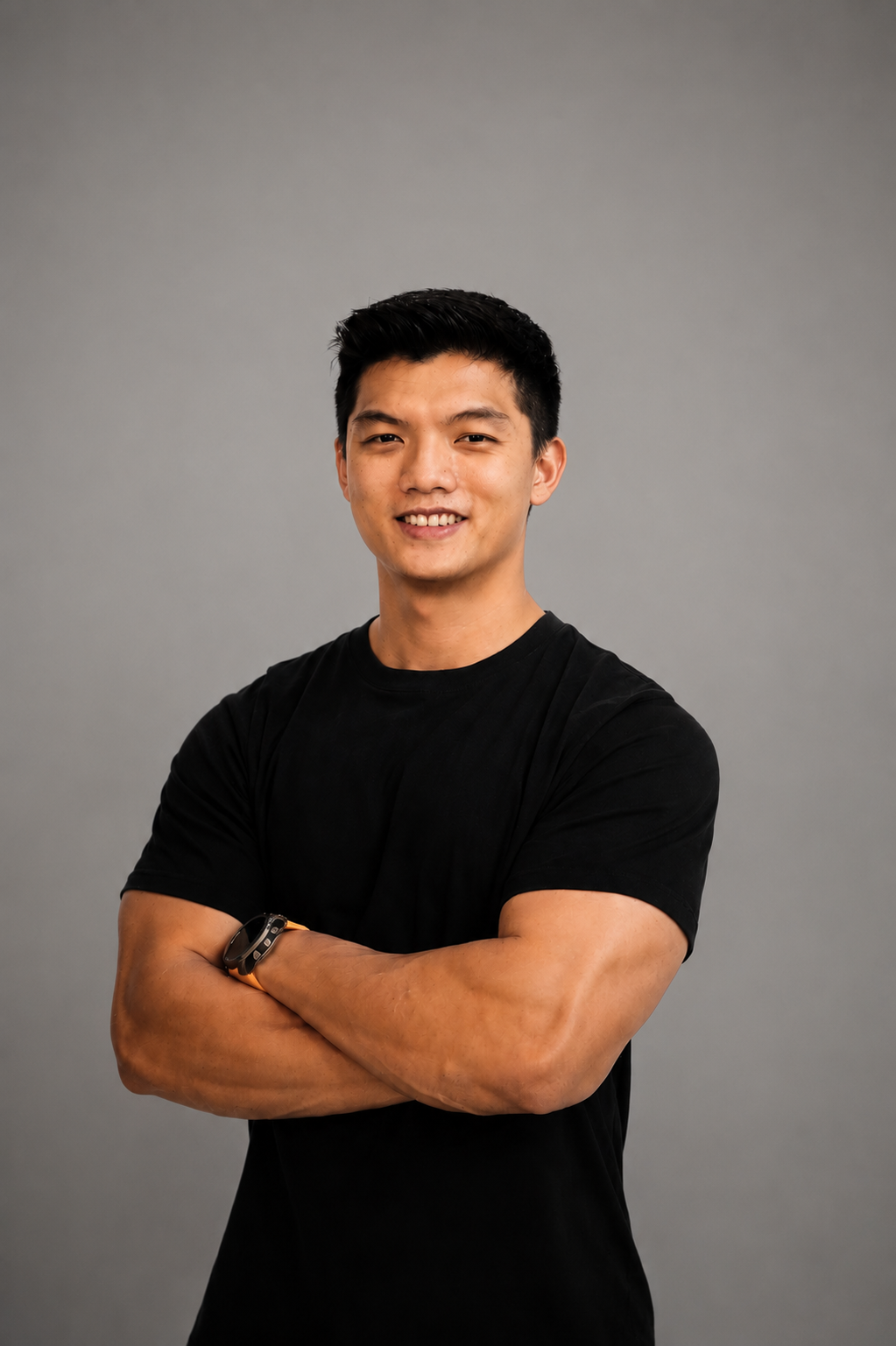
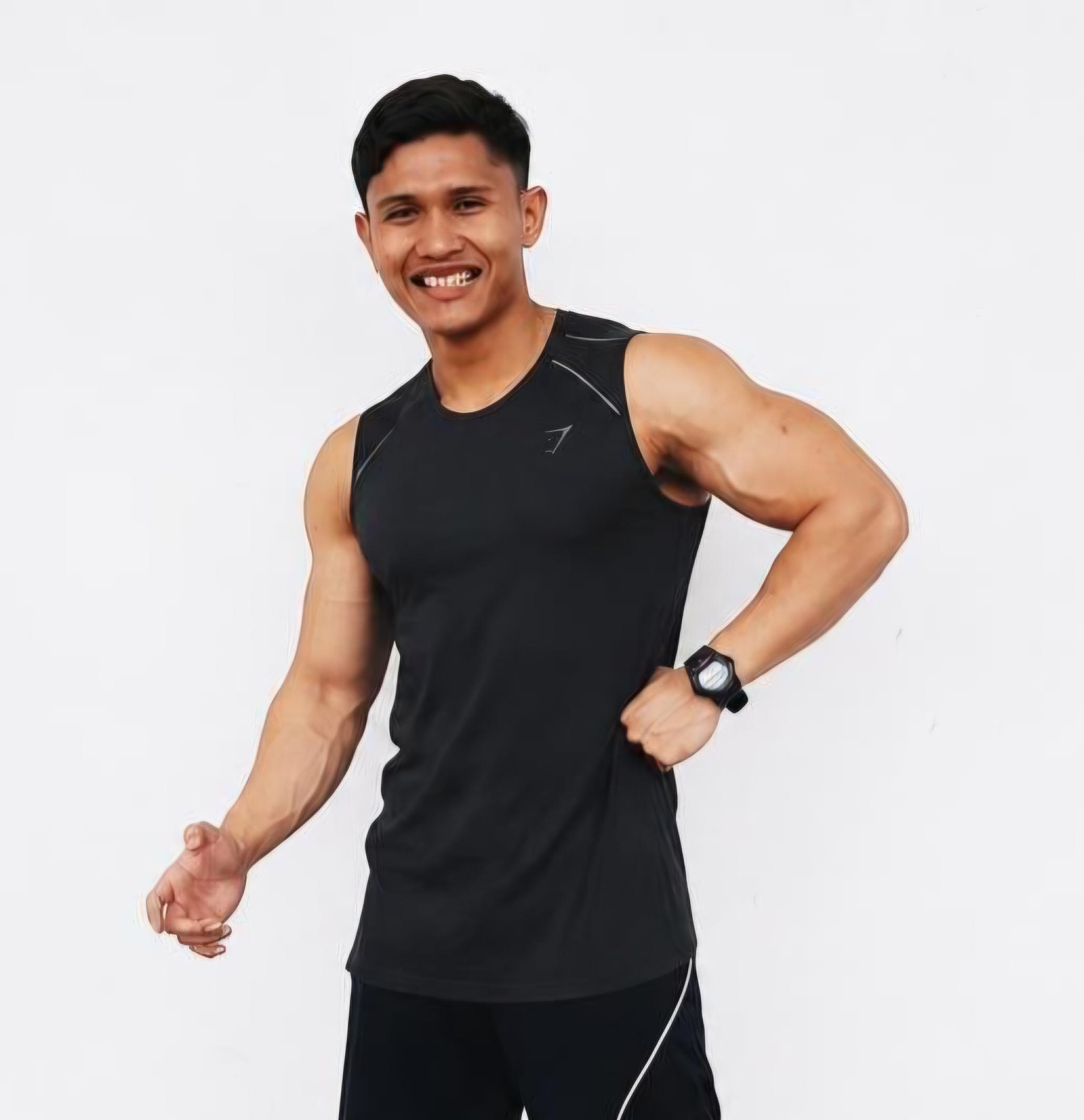
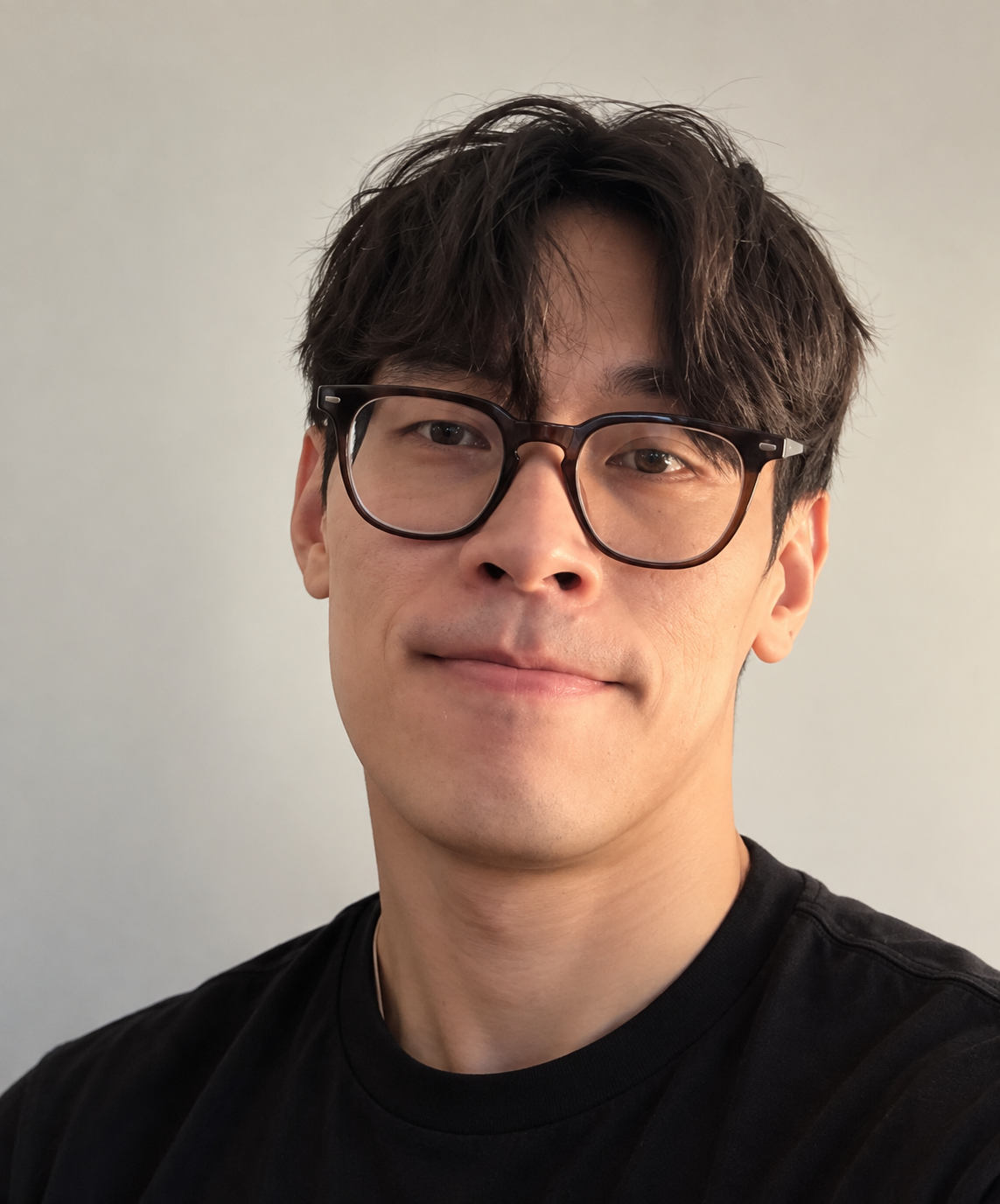
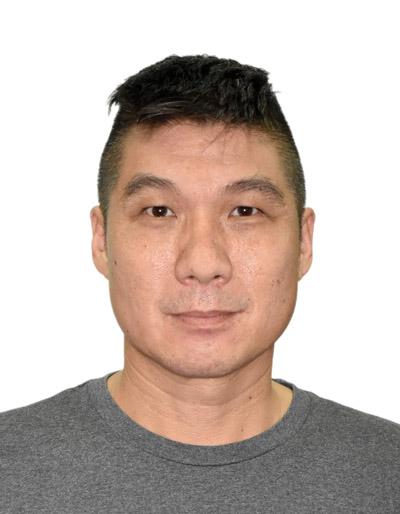
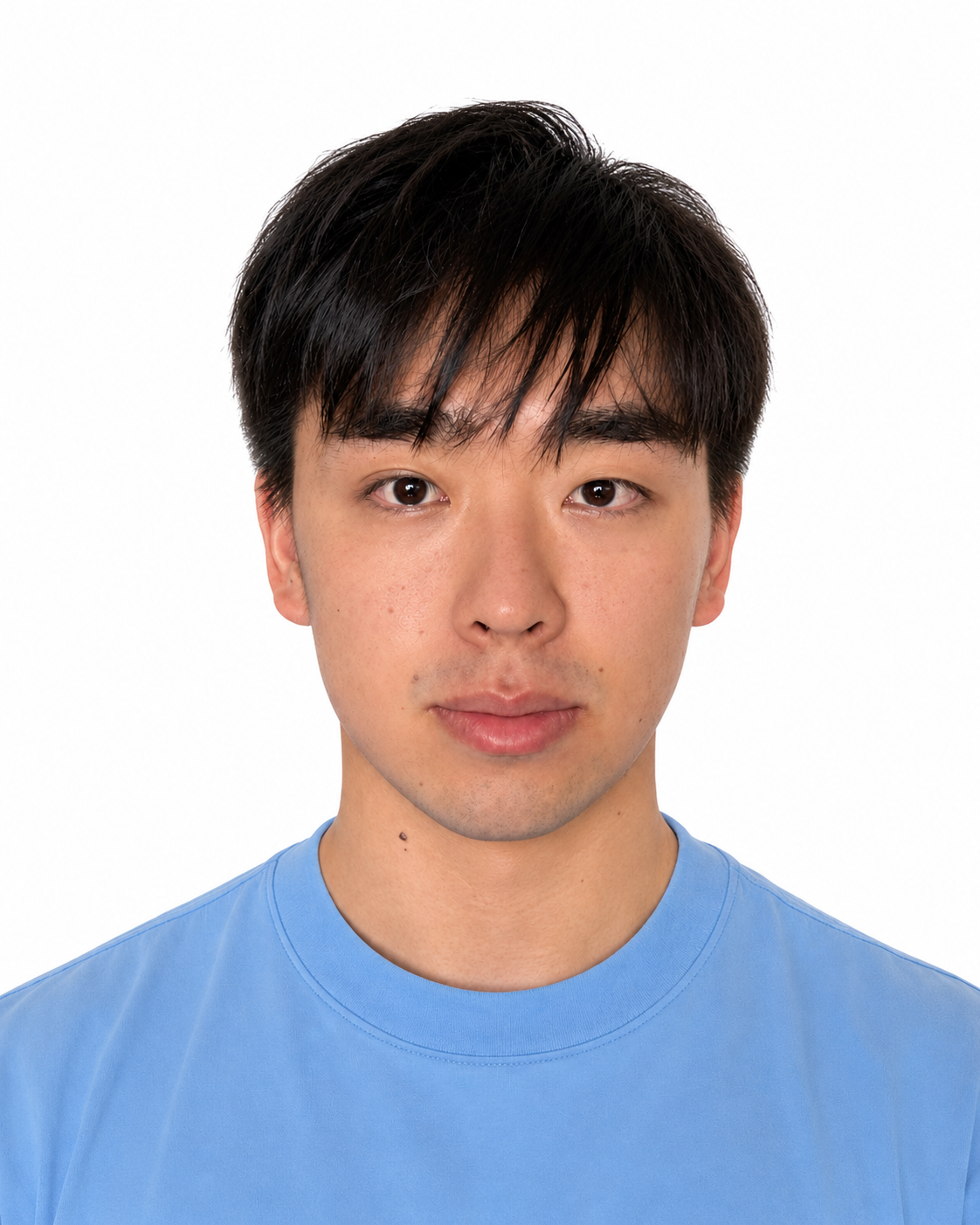
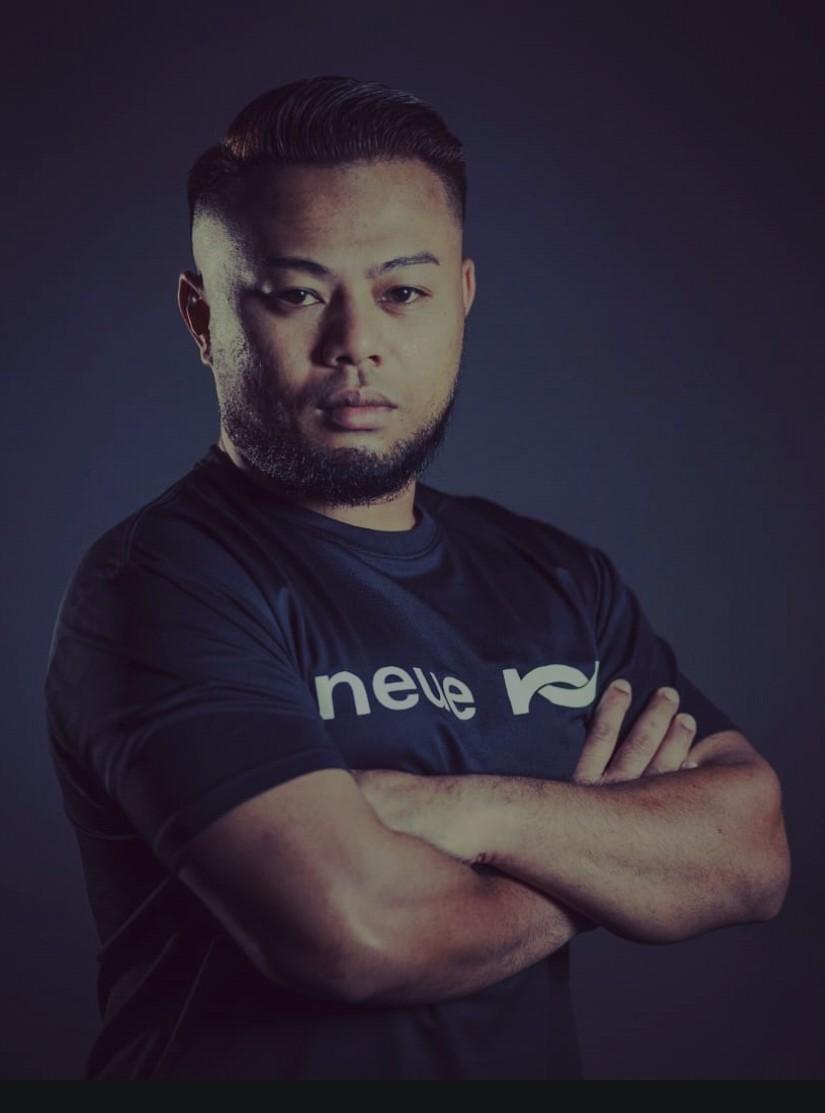
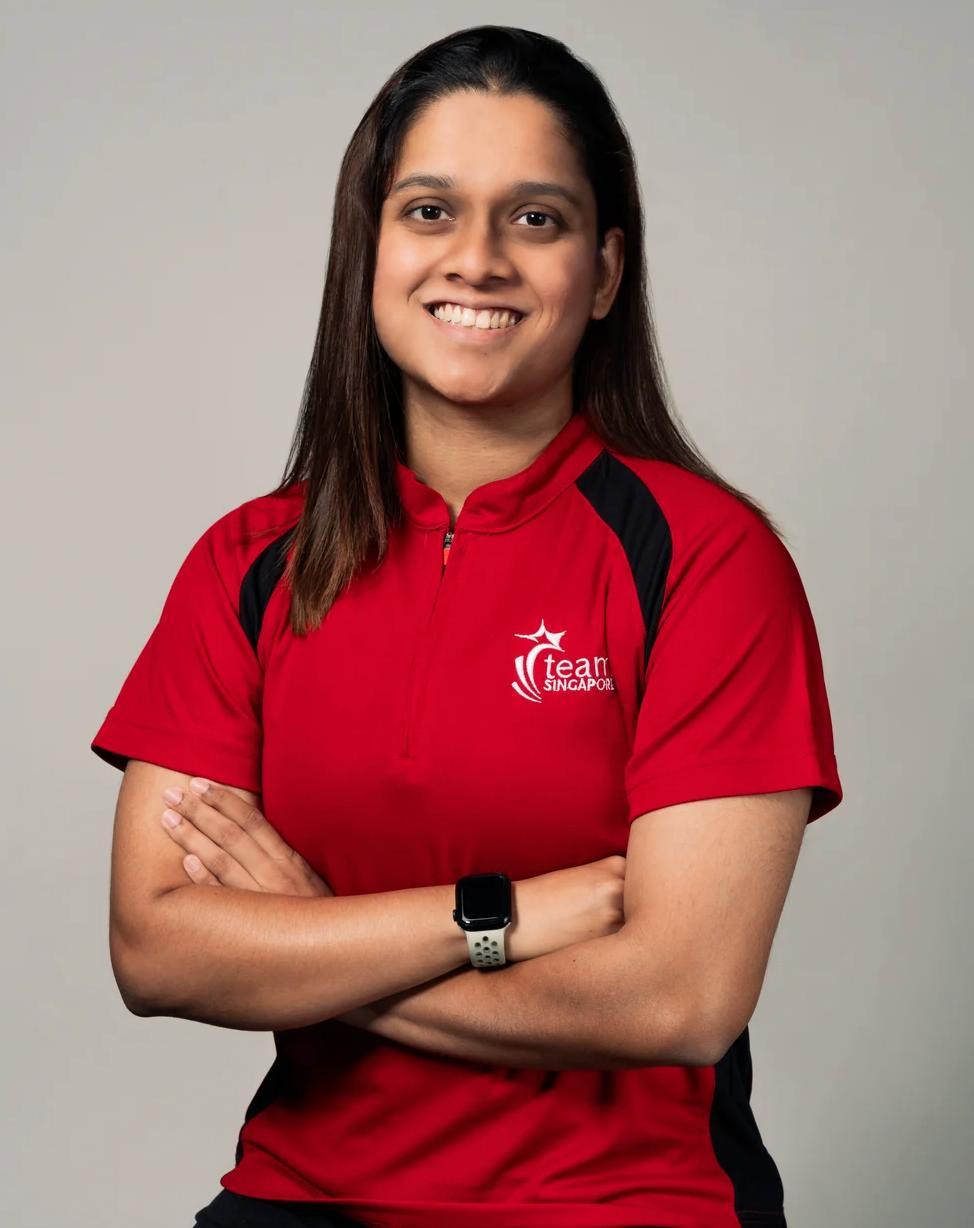
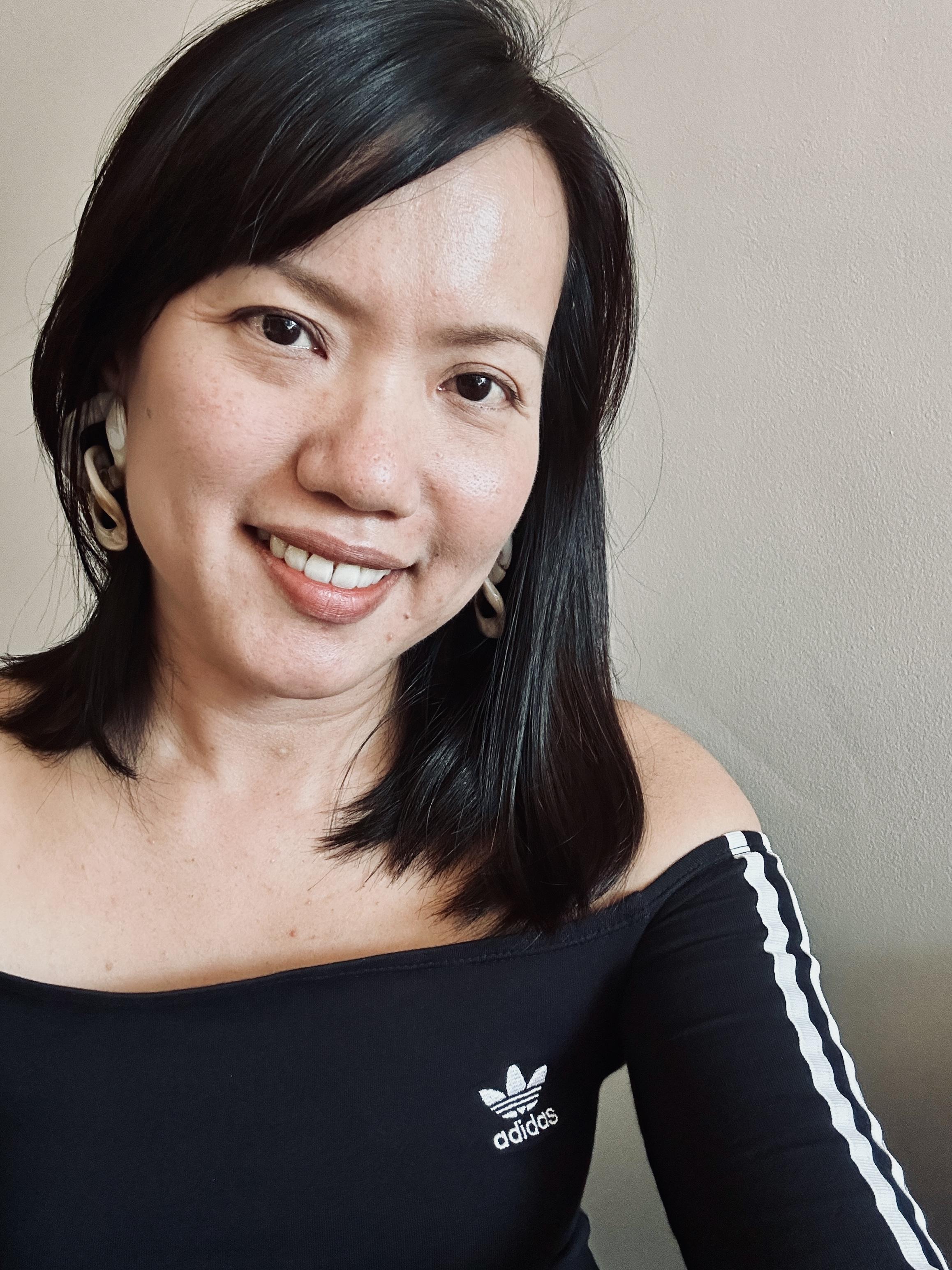
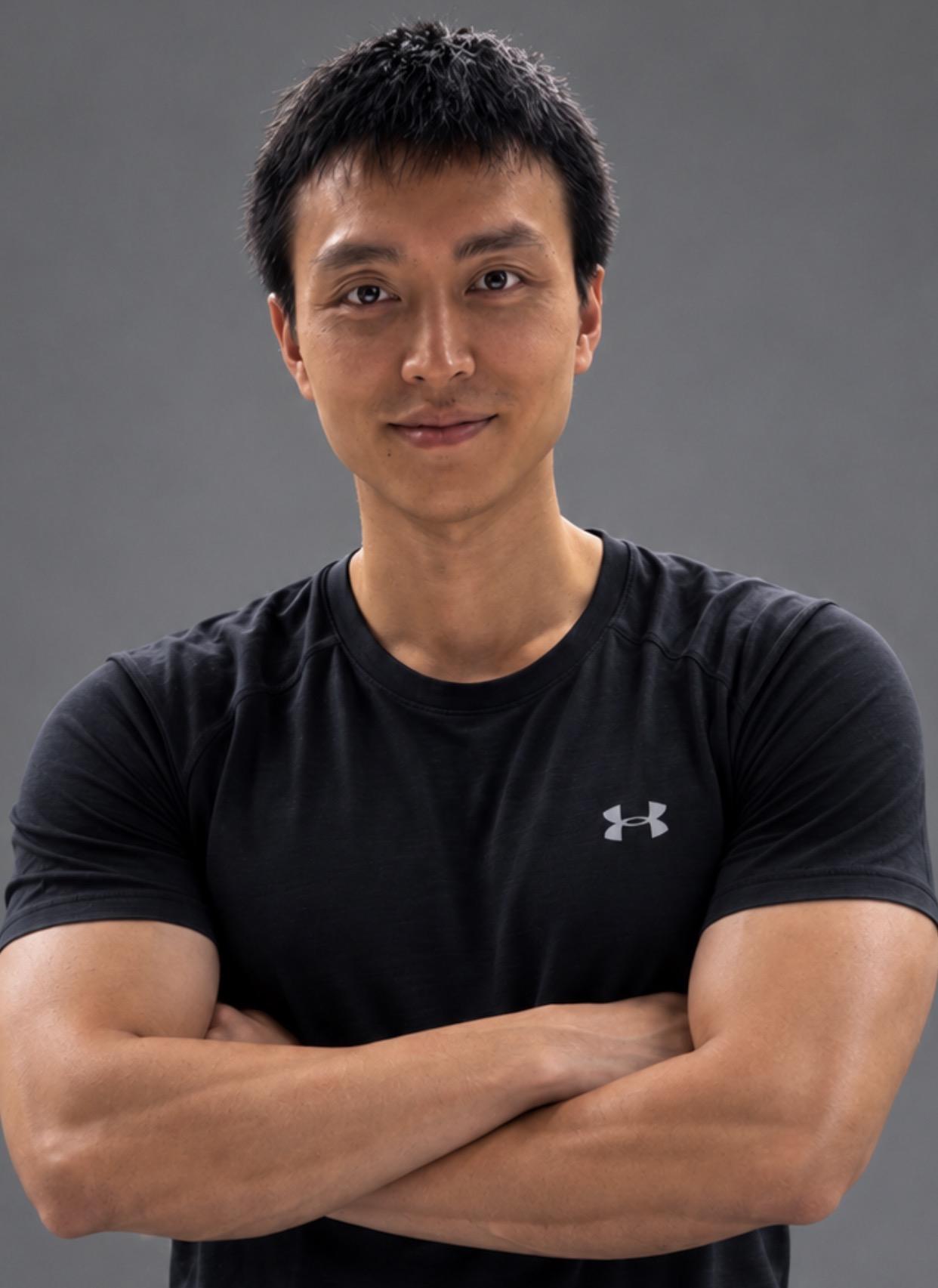
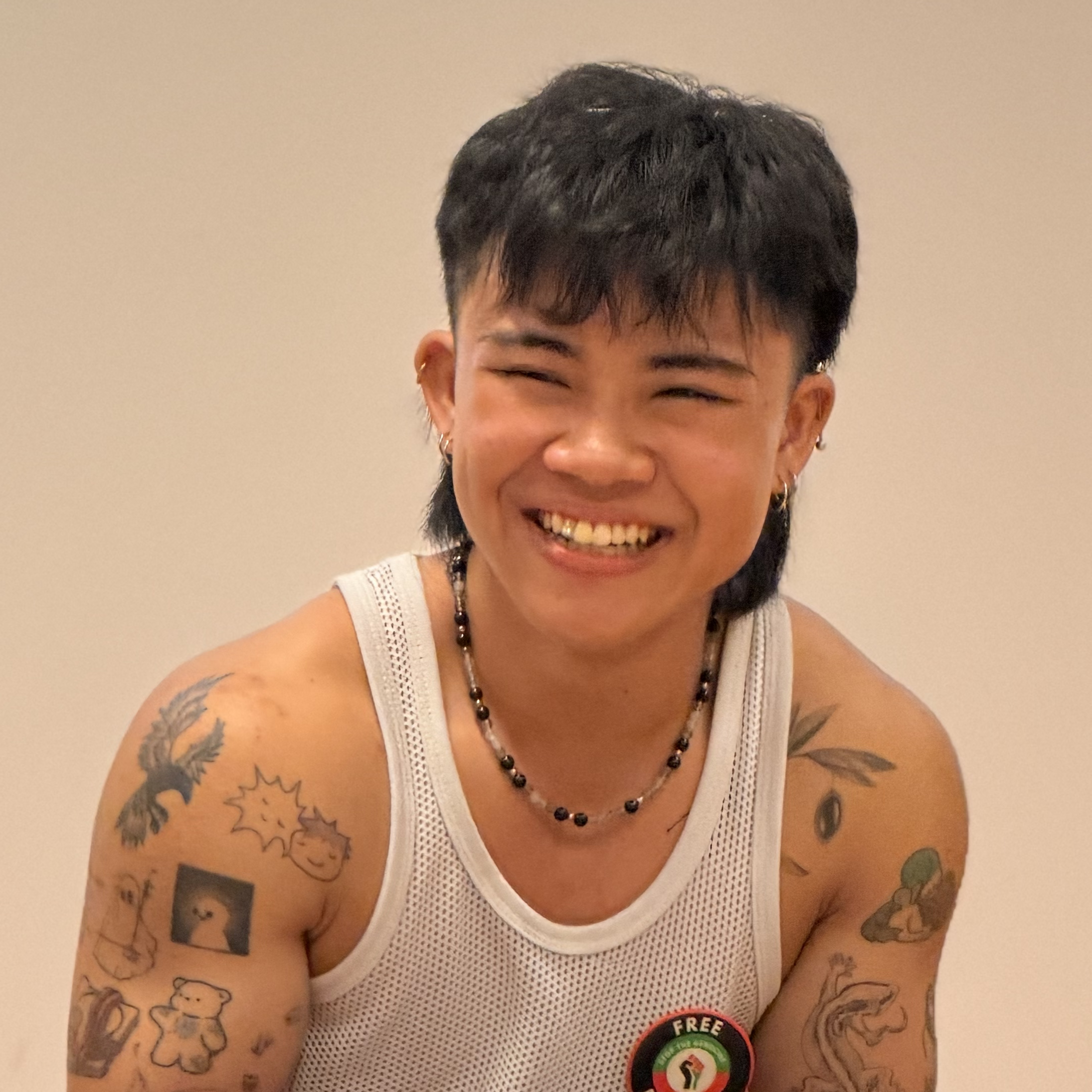
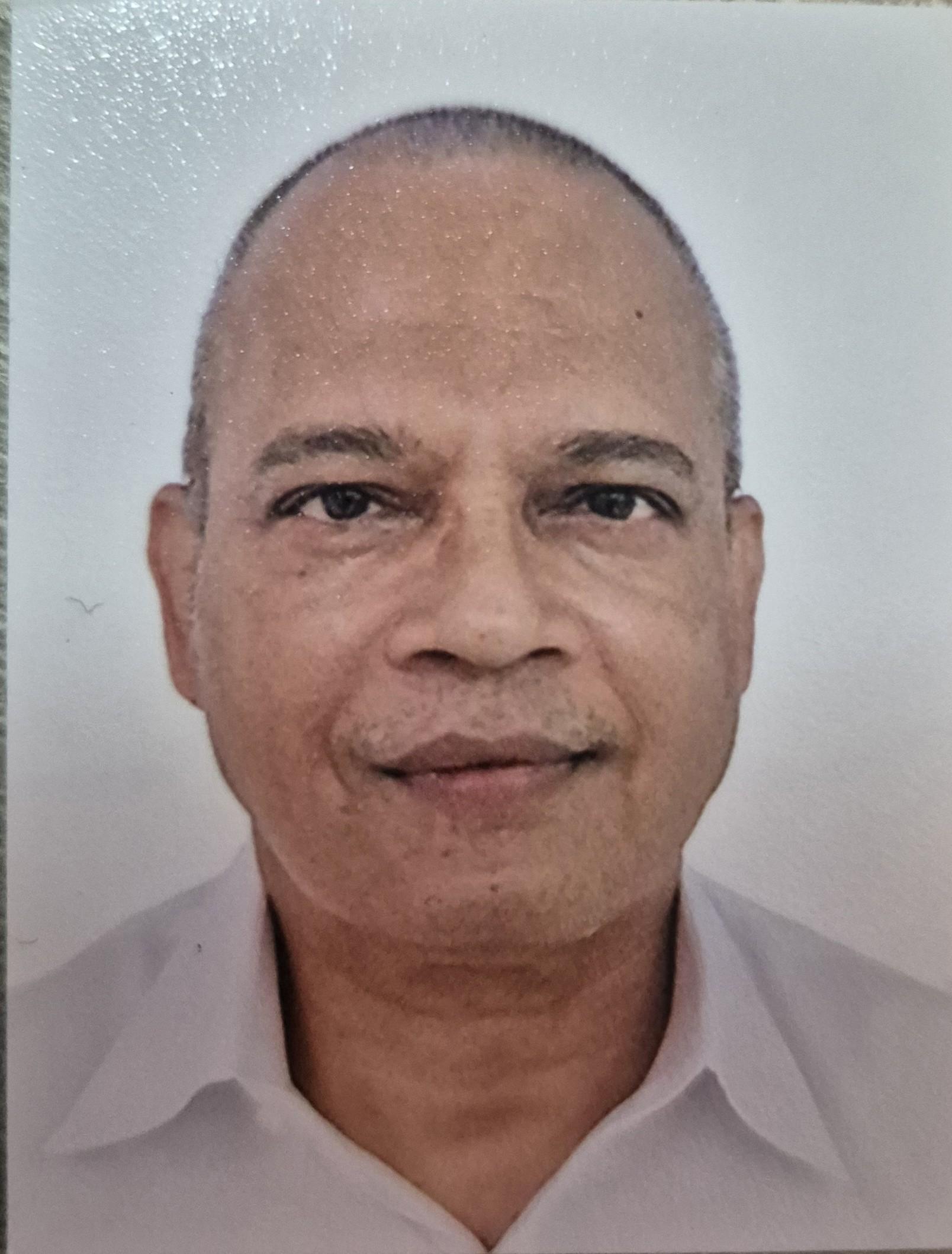
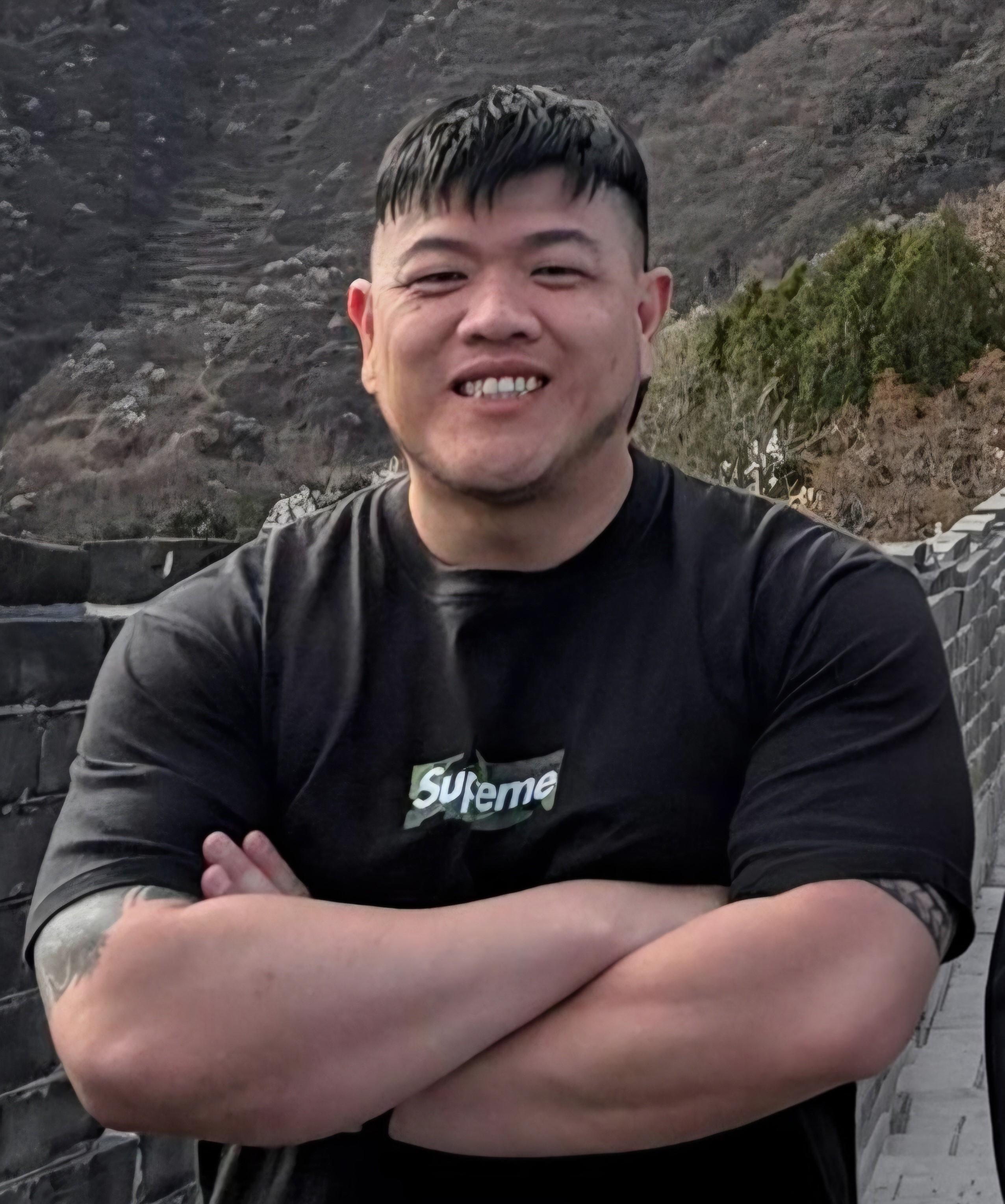
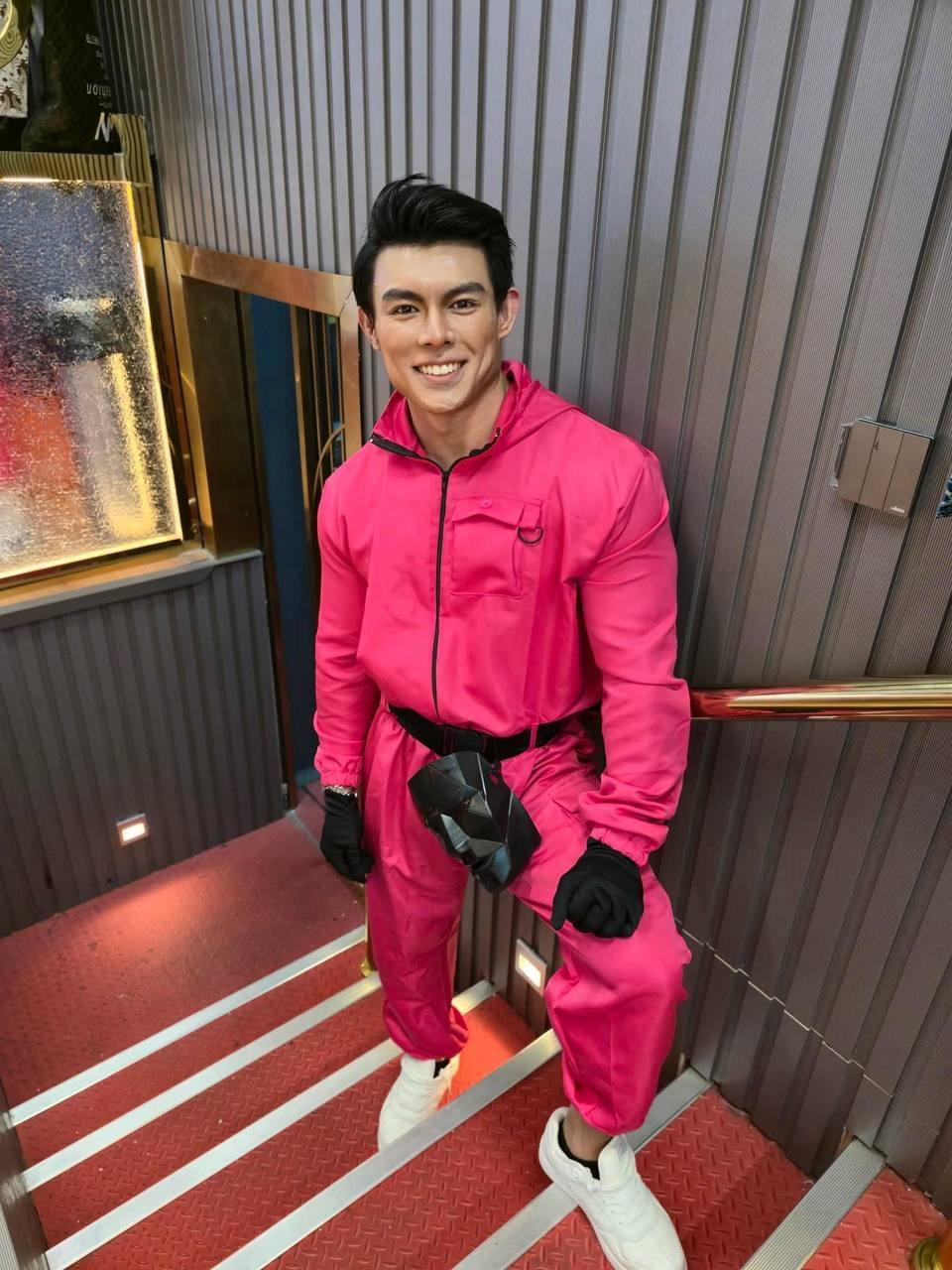
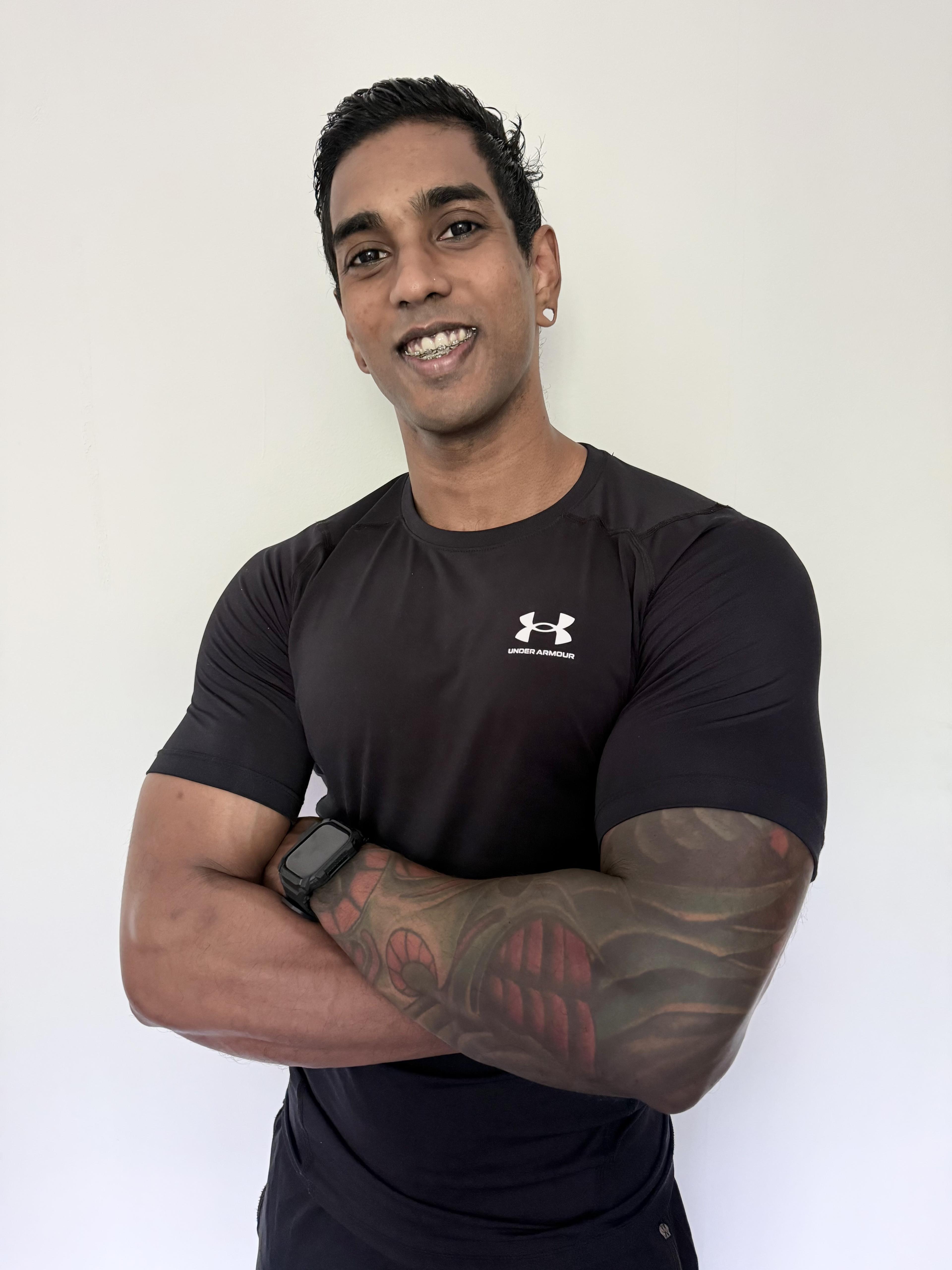
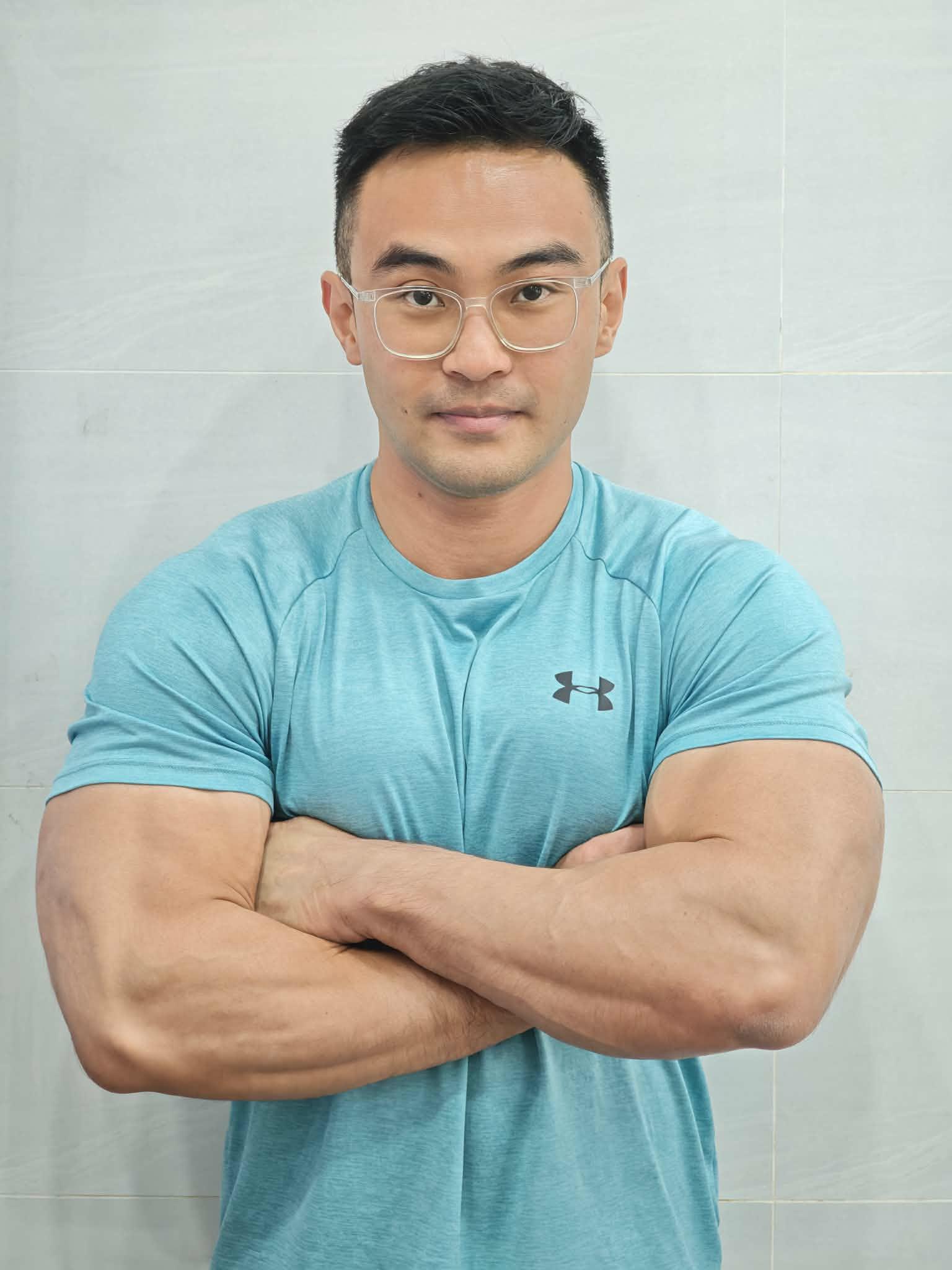
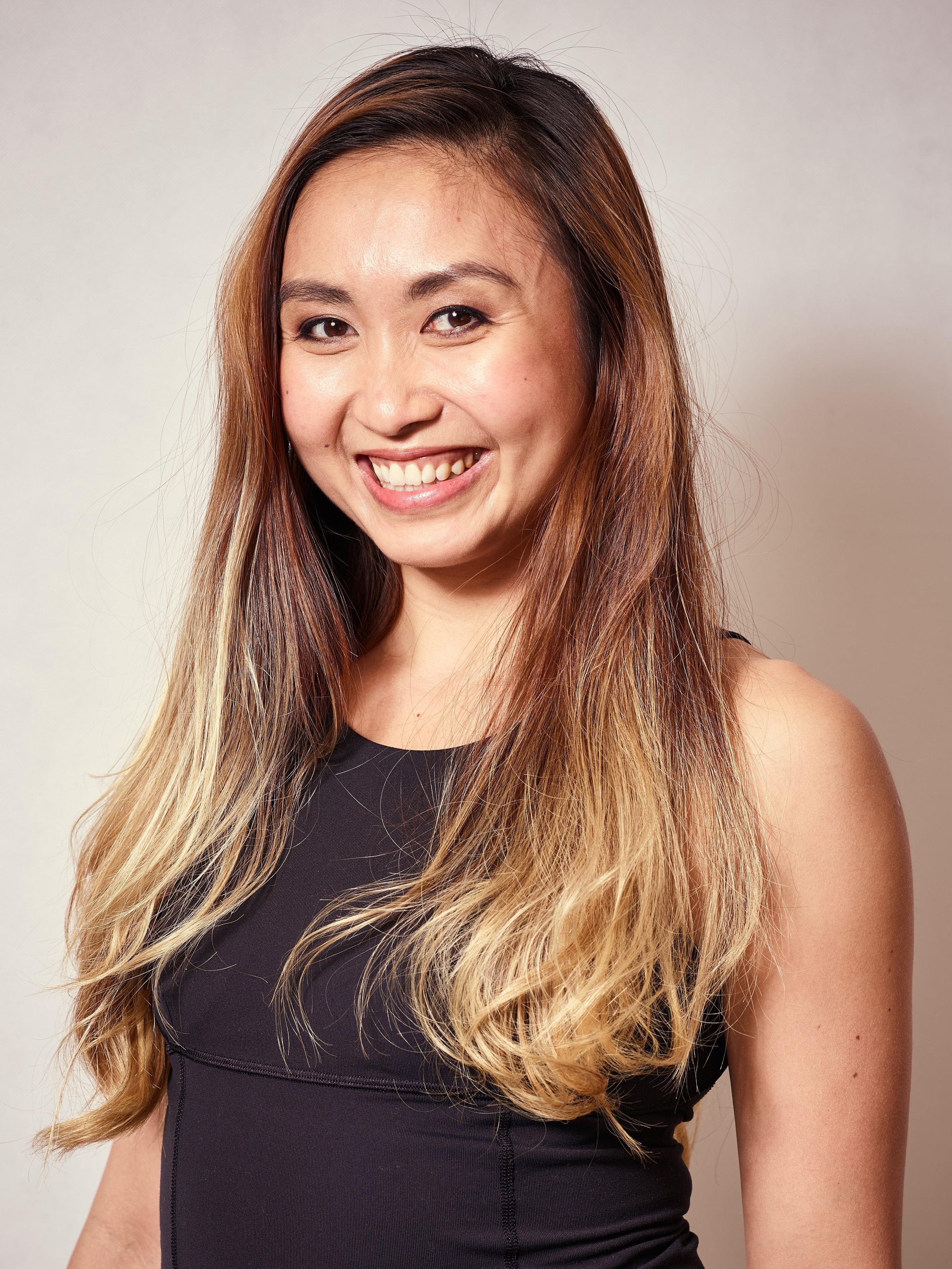
Any of our coaches can train a woman over 40. These five speak to it most directly, copied from their own public profiles on 23 October 2026; the cards on this page are the same five. Three hold a relevant qualification: Valen (a menopause course), Lazarus and Stom (older-adult courses, aimed at clients in later life rather than at perimenopause). Two, Winnie and Heyong, state a focus on women's strength without a midlife-specific course. Only Valen holds a menopause course, and he is also the dearest at S$210; none of our female coaches lists one yet. We do not publish client results for this group yet.
| Coach | On their own record | Years coaching | 1-to-1 rate |
|---|---|---|---|
| Valen | EXOS Optimizing Performance through Menopause; Pregnant and Postpartum Exercise Specialist; ISSA Nutritionist; NCSF CPT | 9 | S$210 |
| Lazarus | ACE Senior Fitness Specialist; ACE CPT | 5 | S$130 |
| Winnie | NCSF CPT; prenatal yoga; 12 years of strength, mobility and pre and postnatal coaching | 12 | S$120 |
| Heyong | NASM CPT; a former competitive boxer whose profile says she loves helping women build muscle, and calls strength an investment in bone density | 5 | S$150-S$180 |
| Stom | NCSF CPT; Elderly Exercise Specialist (International Sport Academy); seniors' strength and balance | 3 | S$60 |
Verified on Fit Titans means we checked the coach's certification against the issuing body, confirmed experience with the goals they coach, followed up references and assessed how they coach in person before they took a client. The table copies each coach's own wording for their qualifications, and you can ask to see any certificate. "Rehab" on a card means the coach lists rehab or corrective exercise as a specialty; a trainer works alongside a physiotherapist, not instead of one.
Can I ask for a female coach?
Yes. Say so when you enquire and we shortlist women only. Two of the five coaches above, Winnie and Heyong, are women, and on 23 October 2026, 7 female coaches published a 1-to-1 rate on our roster, with starting rates from S$65 to S$170 a session. The female personal trainer page shows who they are.
What does personal training for women over 40 cost?
Each coach sets their own rate. Most of our roster charges S$80-S$130 for a 60-minute session, median S$90 (measured October 2026); the five coaches above charge S$60 to S$210, median S$130. Twice a week works out like this:
| Rate per session | Four weeks, single sessions | Four weeks on a 20-session pack | 20-session pack paid upfront |
|---|---|---|---|
| S$60 (Stom) | S$480 | S$408 | S$1,020 |
| S$90 (roster median) | S$720 | S$612 | S$1,530 |
| S$130 (median of the five above) | S$1,040 | S$884 | S$2,210 |
| S$210 (Valen) | S$1,680 | S$1,428 | S$3,570 |
Packs are optional and paid by PayNow, paid sessions never expire, and 24 hours' notice moves a session at no charge. Training with a friend costs less per person; see buddy training. The first paid session is a trial at 10% off. Not the right fit after your first paid session? Tell us within 7 days and we re-match you with another coach, once per client.
Where else can you get help besides a trainer?
- Symptoms, hormone therapy and bone density: your GP or polyclinic first. KK Women's and Children's Hospital runs the KK Menopause Centre, with gynaecology, family medicine, dermatology and mental health specialists, and lists perimenopause, osteopenia and osteoporosis among the conditions it sees.
- Leaking, pelvic heaviness or back and joint pain: a physiotherapist, ideally one who works in women's health, alongside or before a trainer.
- A lower budget: the Health Promotion Board's free MOVE IT sessions, listed in the Healthy 365 app, or one coached session a week with the rest done alone from a written plan. Our affordable personal trainers page sets out the cheaper options.
What should you ask a trainer before you book?
- Have you trained women through perimenopause or with low bone density, and what did you change for them?
- How will you progress the load, and how will we track it?
- What would make you stop a session or send me to a doctor or physiotherapist?
- Can sessions be early in the morning, at home or in my condo gym?