


Ramadan7 min read · Updated
Exercise During Ramadan in Singapore
The short answer
Singapore health guidance says light to moderate exercise is generally safe during the fasting month and that active people should hold their usual routine, not raise it.
- Evening after iftar suits most people, with before iftar and after tarawih as the other common slots.
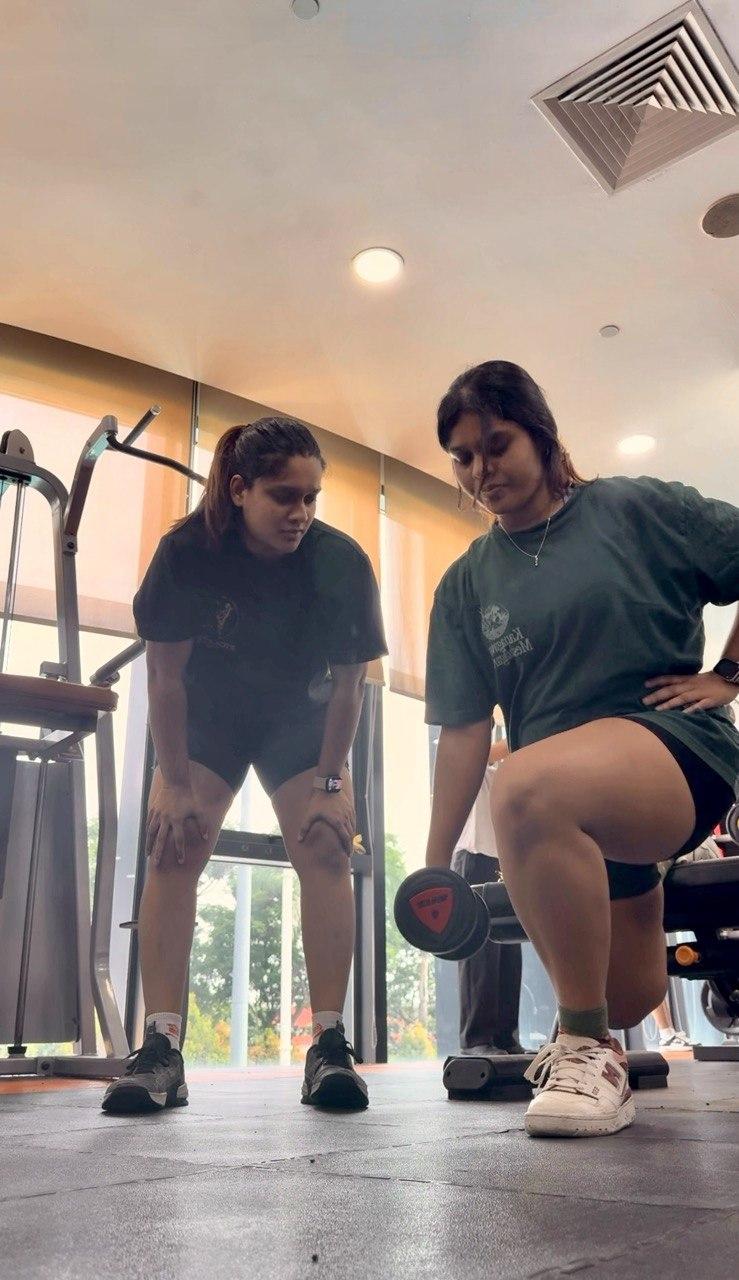
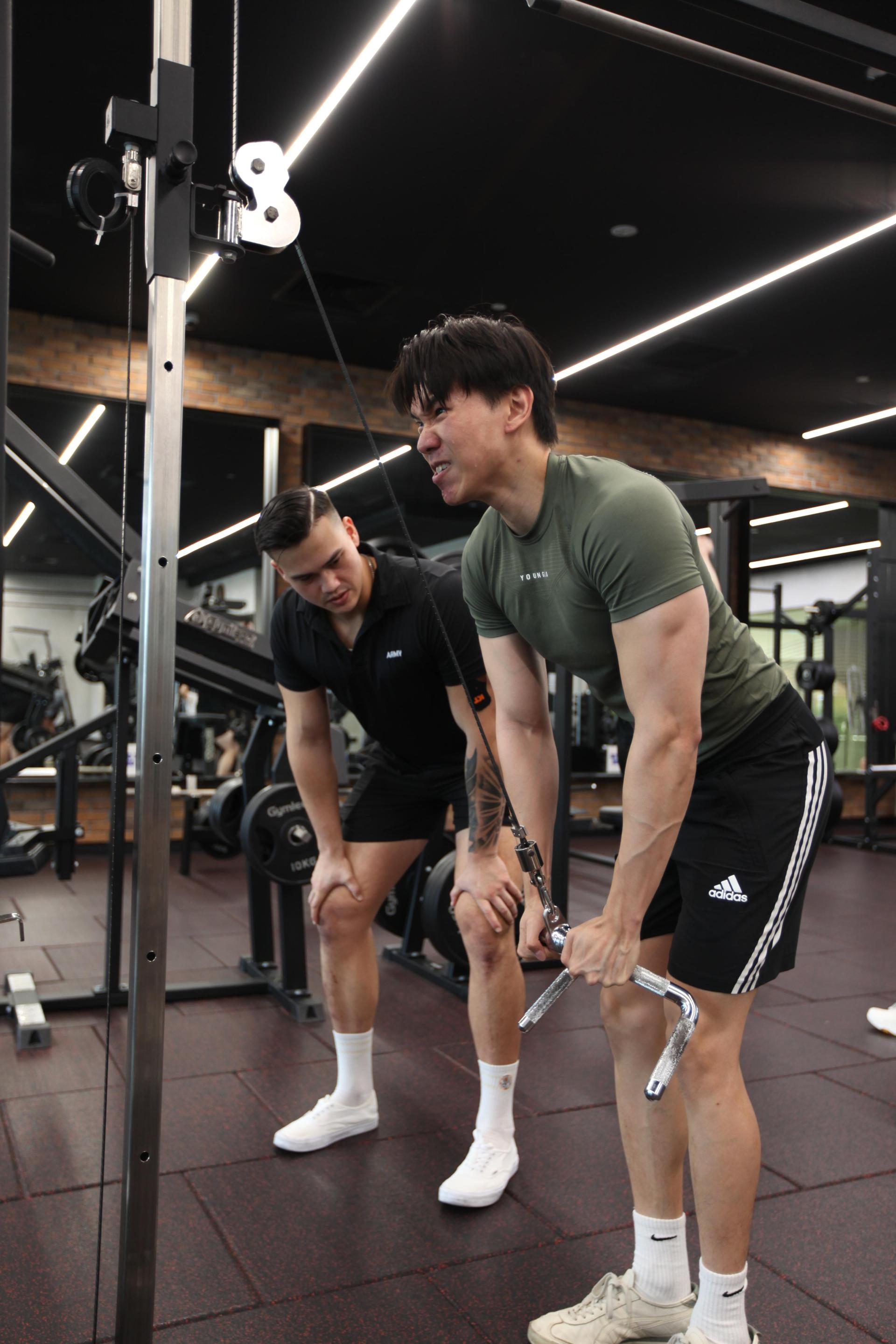
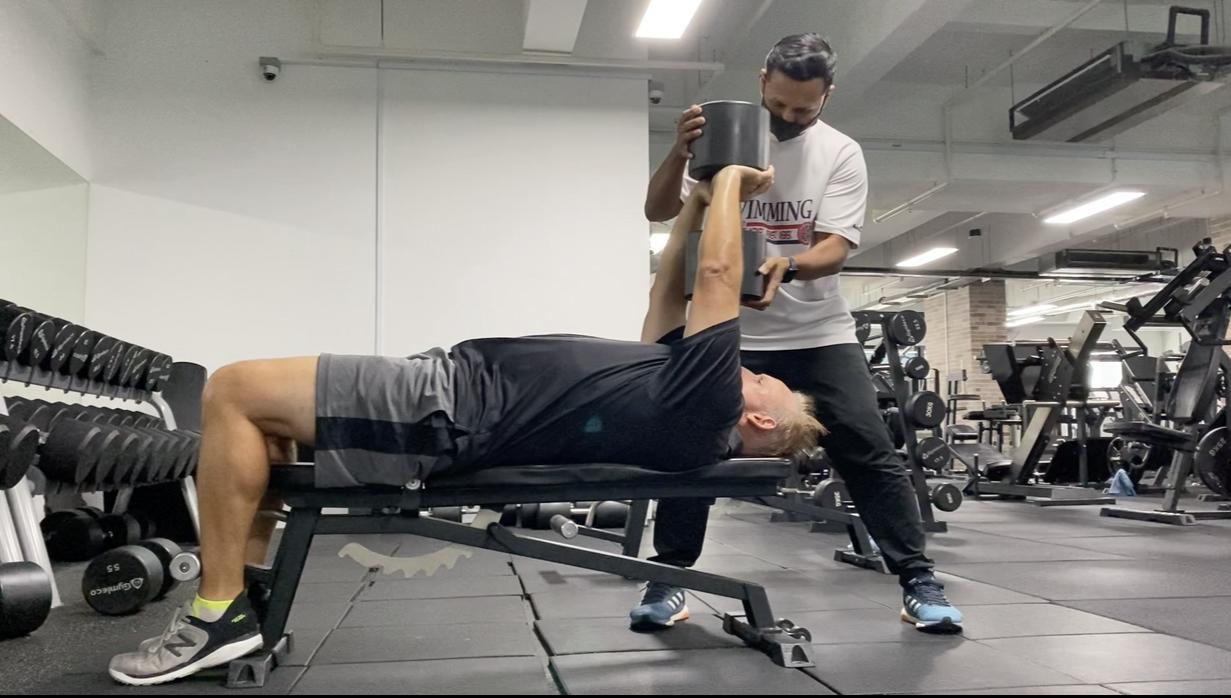
- Fit Titans matches you with a 1-to-1 coach who comes to your home, condo gym or park for a 60-minute session from S$50 (measured October 2026), at a time that fits your fasting day.
From S$50 a session. First session 10% off.
Written by the Fit Titans coaching team. Edited by Theon. How we write guides
The short answer on exercise during Ramadan is that you can keep training while fasting, at a lighter level, and most people find the evening after iftar the easiest time.
On this page (6)
When is the best time to exercise during Ramadan?
For most people it is the evening after iftar, because you can eat and drink before and after the workout. HealthXchange, the SingHealth health site, written with a sport and exercise medicine physician at Changi General Hospital, lists three options.
- Morning after sahurA morning sessionYou may have more energy after the pre-fast meal. Higher risk of dehydration, since you cannot refuel until iftar.
- Shortly before iftarA light sessionYou can eat and drink soon after, which helps recovery. Little food beforehand, so keep it easy.
- After iftarEasiest for many peopleYou can eat and drink before and after. Balance it with rest and avoid training 1 to 2 hours before bed.
- After tarawihA short, late sessionKeep it short enough that you still sleep well. NUHS notes that tarawih prayers can count towards your daily activity, so a lighter training day around them is reasonable.
- Iftar to sahurDrink through the eveningAbout 8 to 12 glasses (around 2 litres) of fluid, as HealthXchange advises, and no caffeinated drinks such as coffee, which act as diuretics. Spread the water out instead of drinking it all at once.
How should you change your workout while fasting?
Keep the habit and lower the demand. HealthXchange advises light to moderate exercise, says high-intensity or high-volume training is not recommended while fasting, and tells people who are already active to maintain their level, not increase frequency, intensity or duration, and not chase personal records.
Keep the habit
- Frequency. Keep your usual number of days, or drop one if you feel flat
- Two strength days. The Singapore Physical Activity Guidelines ask adults for muscle strengthening on at least two days a week (HPB)
- Your lifts. Treat the month as maintenance. Holding your lifts is a good result, and bigger gains can wait until after Hari Raya
- Sleep. It matters too. The HealthXchange heat article lists lack of sleep as a risk factor for overheating
Lower the demand
- Intensity. Stop a set with reps left in reserve. Skip max lifts, sprints and hard intervals
- Volume. Cut the number of sets by about a third from your usual plan
- Length. Shorter warm sets and longer rests, so the heart rate stays steady
- Place. Indoors, in air conditioning or a shaded park, away from midday heat
These are coaching suggestions built on the HealthXchange advice, not medical rules, and your coach will tune them to how you feel that week.
What the research says on fasting and muscle
A 2020 systematic review in Nutrients of eight human studies found that lean body mass was generally maintained when intermittent fasting was combined with resistance training.
Three of the eight studies looked at Ramadan fasting and found no significant change in lean mass. The authors say longer studies are needed and that protein intake and energy balance may matter. The numbers for protein are on how much protein per day and muscle gain.
Two sample Ramadan training weeks, and where to start if you are new
| Day | Strength focus | Fat-loss focus |
|---|---|---|
| Monday | Lower body, 3 sets of 5 to 8 reps, stop with reps spare | Full-body strength, light to moderate |
| Tuesday | Rest or a gentle walk | Easy walk of 30 minutes |
| Wednesday | Upper body, same rules | Full-body strength, light to moderate |
| Thursday | Rest | Rest or mobility |
| Friday | Full body, shorter, lighter than normal | Easy walk of 30 minutes |
| Weekend | Rest. Optional easy walk | One longer easy walk or a light bodyweight circuit |
What are the warning signs to stop exercising?
Stop if you feel unwell. HealthXchange describes heat exhaustion as weakness, exhaustion, headache, dizziness, heavy sweating and a raised body temperature, and says it needs prompt treatment. It calls heat stroke a medical emergency, with confusion, loss of consciousness or sweating that stops.
- 01Stop and sit downDizziness, weakness, headache or heavy sweating. Move somewhere cool and tell your coach.
- 02Call 995 at onceConfusion, fainting or sweating that stops.
- 03If you have diabetesNUHS says to break the fast if blood sugar is below 4 or above 16 mmol/L, or if you have symptoms of low or high blood sugar, dehydration or simply feel unwell.
Who should talk to a doctor before exercising while fasting?
HealthXchange lists the people who should see a doctor first.
- Anyone unsure of their health status
- Anyone who has never exercised
- People with chronic conditions such as diabetes, heart disease or high blood pressure
- Pregnant women
- Anyone who feels unwell
- 01Long-term medicinesHealthXchange says to talk to your doctor or pharmacist before Ramadan, because doses and timing may need to change, and not to change a dose yourself.
- 02DiabetesNUHS advises seeing your healthcare team at least 6 to 8 weeks before Ramadan and avoiding vigorous exercise while fasting because of the risk of low blood sugar and dehydration. Training detail is on personal training with diabetes.
- 03PregnancySpeak to your doctor first. Exercise guidance is on pregnancy exercises to avoid.
Whether and how you fast is your decision, made with your family, your doctor and your own guidance. This page is about training and says nothing on religious rulings. For those, follow MUIS.
When is Ramadan in 2027?
Ramadan 2027 is expected to begin around 8 February 2027, but this is an expected date and not an announcement. Hari Raya Puasa is on Wednesday 10 March 2027, on the 2027 public holiday list.
Where the 2027 dates come from
- Around Monday 8 February 2027Start of RamadanExpected, not announced. Astronomical estimates in the press, and MUIS confirms the day. MUIS sets the start each year, and in 2026 it announced the start on 17 February, two days before Ramadan began on 19 February 2026, using astronomical calculations.
- Wednesday 10 March 2027Hari Raya PuasaOn the 2027 public holiday list (Ministry of Manpower).
How much does a personal trainer cost during Ramadan?
The price does not change for the month. A 60-minute 1-to-1 session starts from S$50, most coaches charge S$80 to S$130, and the median is S$90 (measured October 2026). The first session is a paid trial at 10% off the coach's rate.
How booking and paying work in Ramadan
- Your first messageAsk for your slotTell us your goal, area and the times that suit your fasting day, such as after iftar or after tarawih, and we match a coach for those windows. Coaches come to your home, condo gym or a park, so you do not spend energy travelling, and some coach by online 1-to-1 video.
- Before you bookNothing to payWe confirm the coach's exact rate first.
- First sessionA paid trial at 10% offYour coach lowers intensity and volume and keeps the strength work.
- After the trialPacks that run past Hari RayaMost coaches sell packs of 5 sessions at the coach's full rate, or 10, 15 or 20 at 5%, 10% or 15% off. Packs are valid 2 to 6 months from the first package session (5 sessions 2 months, 10 sessions 3, 15 sessions 5, 20 sessions 6). Worked prices are on personal trainer cost in Singapore.
Questions about exercise during Ramadan
Is it safe to workout while fasting?
Light to moderate exercise is generally considered safe while fasting, according to HealthXchange by SingHealth. Check with your doctor first if you have a chronic condition, are pregnant or have never exercised.
Can I go to the gym during puasa?
Yes, if you keep it light to moderate and pick a time that suits you, with the evening after iftar the most common choice. Avoid heavy lifting to failure and train somewhere cool.
Can I train before iftar or after tarawih?
Yes, both are workable and the choice is personal. A session before iftar should be light, and a session after tarawih should be short enough that you still sleep well.
When should I break my fast during exercise?
If you feel dizzy, weak or unwell, stop and cool down, and call 995 for confusion or fainting. If you have diabetes, NUHS says to break the fast if blood sugar is below 4 or above 16 mmol/L.
Will fasting and muscle loss undo my progress?
Not if you keep lifting. A 2020 review found lean mass was generally maintained when fasting was combined with resistance training, so keep two strength days a week at a lower load or volume.
Is Ramadan weight loss realistic?
Some people lose a little and many do not, since the meals at iftar and sahur can add up. A coach can keep your training steady while you sort out the food side.

About this guide
Published
Sources (9) and terms used
Terms used
- Condo gym:
- The shared gym in a private condominium, run by the building's management.
Sources
- Public holidays, Ministry of Manpower (checked 20 Nov 2026) · Ministry of Manpower
- Announcement by Mufti for the month of Ramadan 1447H/2026 for Singapore (checked 20 Nov 2026) · Majlis Ugama Islam Singapura (MUIS)
- Best Times to Exercise During Ramadan (checked 20 Nov 2026) · HealthXchange, SingHealth
- Exercising During Ramadan: How to Do It Safely (checked 20 Nov 2026) · HealthXchange, SingHealth
- Overheating During Exercise: Risk Factors and Symptoms (checked 20 Nov 2026) · HealthXchange, SingHealth
- Tips for taking medication during Ramadan (checked 20 Nov 2026) · HealthXchange, SingHealth
- Fasting during Ramadan with diabetes (checked 20 Nov 2026) · National University Health System
- Singapore's Physical Activity Guidelines revised, 12 June 2022 (checked 20 Nov 2026) · Health Promotion Board and Sport Singapore
- The Effects of Intermittent Fasting Combined with Resistance Training on Lean Body Mass, Nutrients 2020 (checked 20 Nov 2026) · Nutrients, peer-reviewed
General information, not medical advice.