
Injury guide14 min read · Updated
Physio or Personal Trainer After an Injury?
- Trial 10% off
- No membership
- WhatsApp reply, usually within the hour
The short answer
See a physiotherapist first if anything still hurts or the injury has not been diagnosed: physios must be registered with the Allied Health Professions Council and they assess, diagnose and treat, while personal trainers are not regulated that way and Sport Singapore's registry for them is voluntary.
- See a doctor first, or call 995, for red flags such as a crack at the moment of injury, a limb out of shape, numbness in both legs or chest pain (NHS, SCDF).
- A trainer comes in once the physio has moved you on to strengthening.
- Two private clinics that publish prices charge from about S$207 to S$210 a session.
- Subsidised physio starts with a polyclinic or hospital referral.
Written by the Fit Titans coaching team. Edited by Theon. How we write guides
On this page (12)
- 1. Should you see a physio or a personal trainer first after an injury?
- 2. What does a physiotherapist do in Singapore?
- 3. What does a personal trainer do, and who regulates them?
- 4. Which red flags mean you should see a doctor first?
- 5. Who should you see for which situation?
- 6. How do you get physiotherapy in Singapore?
- 7. What does physio cost, and can MediSave or insurance pay?
- 8. When can you go back to post-injury gym training?
- 9. What should you ask your physio before you start training?
- 10. How do you brief a trainer after physio, and how do the two work together?
- 11. What should you ask a trainer before training with an injury?
- 12. How does a Fit Titans coach fit in after physio?
Key facts
- Every physiotherapist in Singapore must be registered with the Allied Health Professions Council and hold a valid Practising Certificate, and practising unregistered is an offence (AHPC)
- Sport Singapore's National Registry of Exercise Professionals, open since April 2023, is voluntary. SportSG said agencies such as SportSG and HPB would hire only registered exercise professionals from April 2024
- SGH's physiotherapists assess back and neck pain to screen, diagnose and identify contributing factors before treating it (SGH)
- NHS: most sprains and strains feel better after about 2 weeks, but avoid strenuous exercise such as running for up to 8 weeks
Should you see a physio or a personal trainer first after an injury?
A physiotherapist, if anything still hurts or nobody has told you what the injury is. A physio is a registered health professional who examines the injury, works out what is wrong and treats it. A personal trainer builds strength and fitness, and a good one will not guess at a diagnosis.
So the usual order runs like this: a doctor first if there is a red flag, a physio for the injury itself, then a trainer once the physio has moved you on to strengthening and told you the limits.
There is one exception. If the injury is old, healed and already diagnosed, and you simply want to get fit around it, a trainer can be the first stop, working inside whatever limits your doctor or physio set. If pain comes back, you go back to the physio. Whoever has examined you outranks anything on this page.
What does a physiotherapist do in Singapore?
Physiotherapy is a regulated profession here. Under the Allied Health Professions Act 2011, every physiotherapist must be registered with the Allied Health Professions Council (AHPC) and hold a valid Practising Certificate before they can practise, and practising without registration is an offence.
The AHPC describes physiotherapy as the assessment, treatment, rehabilitation and prevention of pain, injury or other physical dysfunction. It also runs a public search of registered professionals, so you can check a physio's name before you book.
In practice a physio takes your history, examines you and works out what is going on. Singapore General Hospital's physiotherapists, for example, describe a back or neck pain assessment that screens for problems, diagnoses and identifies what is contributing, then treat with manual techniques, exercise and education.
A physio can also tell you when something needs a doctor or a scan, and set the stages of your recovery: what to rest, what to load, and when to move on.
What does a personal trainer do, and who regulates them?
A personal trainer plans and coaches exercise: strength, fitness, technique and the habit of turning up. Trainers are not licensed the way physios are. Sport Singapore opened its National Registry of Exercise Professionals (NREP) for registration in April 2023, and SportSG's own NREP page says exercise professionals are strongly encouraged to register, which is to say it is voluntary.
Registration asks for a fitness certification, a Standard First Aid certificate with CPR and AED, Safe Sport certification and, from 1 June 2026, Basic Exercise Science certification to keep membership active.
SportSG also said that from April 2024 the government agencies that hire many exercise professionals, including SportSG, the People's Association, HPB and the Ministry of Home Affairs, would hire only registered ones. Private gyms and freelance trainers are under no such rule.
The international position matches. The American Council on Exercise says it is generally outside a personal trainer's scope of practice to diagnose or treat an injury, that trainers are not diagnosticians or physical therapists, and that they should get medical clearance and work with the client's physical therapist.
A trainer who tells you what your injury is, without an examination or a scan by a clinician, has stepped outside the job.
What a good trainer adds is volume and progression. Physio appointments are spaced out, and the exercises done between them are where strength comes back. That in-between work, coached properly and loaded a little more each week, is the part a trainer is built for.
Which red flags mean you should see a doctor first?
Some signs need a doctor, an emergency department or an ambulance before any physio or trainer. The lists below come from the NHS guides to sprains and strains and back pain, and from the SCDF.
- 01Call 995 for an emergencyThe SCDF lists cardiac arrest, seizures, breathlessness, loss of consciousness, heavy bleeding, major trauma and stroke. For medical advice when it is not an emergency, the SCDF points to the NurseFirst line on 6262 6262.
- 02Go to A&E after an injury ifYou heard a crack when it happened, the injured part has changed shape or points at an odd angle, it is numb, tingling or has pins and needles, or the skin around it has turned blue or grey or feels cold. The NHS says these can mean a broken bone that needs an X-ray. Get someone else to drive you.
- 03Go to A&E with back pain ifYou have pain, tingling, weakness or numbness in both legs, loss of feeling around the genitals or anus, new difficulty peeing or other bladder or bowel changes, chest pain, or the pain started after a serious accident.
- 04Get seen urgently ifYou cannot put weight on the injury or walk more than a few steps, the pain, swelling or bruising is getting worse, it is not better after treating it yourself, or you also have a high temperature or feel hot and shivery.
- 05See a GP about back pain ifIt has not improved after a few weeks at home, you have lost weight without trying, it is worse at night or does not ease with rest, it is worse when you sneeze or cough, or it sits between the shoulder blades rather than low down.
A trainer should stop a session and send you to a doctor for any of these. So should you, if you are training on your own.
Who should you see for which situation?
Use this as a starting point, not a rule. Where two people are listed, the first decides when the second starts.
| Situation | Who first | Why |
|---|---|---|
| A crack at the moment of injury, a limb out of shape, numbness, or blue, grey or cold skin | A&E | The NHS says you may have broken a bone and will need an X-ray |
| Back pain with numbness in both legs, lost feeling around the groin, or bladder or bowel changes | A&E, or call 995 | The NHS lists these as reasons to go to A&E or call an ambulance |
| Chest pain, fainting or sudden breathlessness during exercise | Call 995 | A medical emergency until a doctor says otherwise |
| A new sprain or strain you can walk on, with swelling settling | Self-care first, then a physio if it is slow to improve | NHS: most sprains and strains feel better after about 2 weeks |
| Pain that has lasted weeks, or keeps coming back in the same place | A physio, or a GP or polyclinic doctor first for a subsidised referral | It needs an assessment and a diagnosis, which a trainer cannot give |
| After surgery such as a knee replacement or ligament repair | Your surgeon's team, then their physio | The surgical protocol sets what you can load and when |
| The physio has discharged you or moved you on to strengthening | The physio and a trainer, or a trainer working to the physio's notes | The trainer adds coached sessions and progression inside the physio's limits |
| An old injury, healed and diagnosed, with no pain now | A trainer | A coach can build strength around it. Back to the physio if pain returns |
| You have no idea what it is | A GP or polyclinic doctor | They examine you and can refer you on for subsidised physiotherapy |
How do you get physiotherapy in Singapore?
There are four routes, and the one you take sets the wait and the price.
- 01PolyclinicSee a polyclinic doctor first. NHG Polyclinics need a referral from one of their doctors and an appointment before you see a physiotherapist, and treat problems such as ankle and knee sprains, acute low back pain, knee osteoarthritis, tennis elbow and plantar fasciitis. SingHealth Polyclinics offer physiotherapy at Bedok, Bukit Merah, Eunos, Pasir Ris, Punggol, Tampines and Tampines North for patients aged 13 and above, and currently take referrals only from their own doctors, SGH's orthopaedic specialists and SGH's emergency department.
- 02Public hospitalHospital physiotherapy follows a hospital referral, for instance after an A&E visit, a ward stay or a specialist appointment. MOH's specialist outpatient subsidy, means-tested up to 70% for Singapore Citizens and 25% for Permanent Residents, is for patients referred from eligible sources such as A&E, an inpatient stay, a polyclinic or a CHAS GP clinic. MOH's page does not spell out how that applies to physio sessions, and SGH's Rehabilitation Centre publishes its therapy charges as wide ranges that vary with session length and subsidy, so ask the hospital what your sessions will cost.
- 03Private clinicYou can often book directly. Physio & Sole, for one, says most of its services need no doctor's referral and appointments are available within the week, but adds that some insurers want a GP referral before they pay a claim. Check your policy before the first visit, not after.
- 04At home, for frail seniorsThe Agency for Integrated Care's Home Therapy service brings physiotherapy, occupational therapy or speech therapy to seniors who are frail and homebound, from S$125 a visit before subsidies, which are means-tested and open to Citizens and PRs. A doctor at the hospital or polyclinic submits the application.

What does physio cost, and can MediSave or insurance pay?
Most private clinics do not publish a price, so the two clinics below are the ones that do, not a market average. Public prices depend on your referral and your subsidy tier.
| Route | What you pay | Referral | Source |
|---|---|---|---|
| Private clinic: Core Concepts | S$207.10 a session, first visit or follow-up, including 9% GST | The clinic says a doctor's referral letter may be needed. Ask when you book | Core Concepts fees |
| Private clinic: Physio & Sole | From S$210 for a 45-minute session, before GST | Most services need none | Physio & Sole pricing |
| Polyclinic or public hospital | Subsidised. MOH's specialist outpatient subsidy is up to 70% for Citizens (means-tested) and 25% for PRs. Ask how it applies to your sessions | Needed | MOH subsidies |
| AIC Home Therapy, for frail and homebound seniors | From S$125 a visit before subsidies | Through a hospital or polyclinic doctor | AIC Home Therapy |
| Approved day rehabilitation centre | MediSave can pay up to S$25 a day per rehabilitation service, to S$1,500 a year | Ask your doctor | MOH MediSave |
| Approved community hospital stay | MediSave can pay up to S$250 a day of the daily hospital charges | A hospital transfer | CPF limits, April 2025 |
Neither CPF's list of outpatient treatments payable by MediSave nor its April 2025 withdrawal limits has a line for a physio session at a private clinic, so plan to pay those yourself or through insurance. Core Concepts says most medical insurance can cover its fees, which you pay first and claim afterwards with the receipt.
Whether your own plan pays for outpatient physio is a question for your insurer. For scale, a 60-minute 1-to-1 session with a Fit Titans coach is S$80-S$130 with most coaches (median S$90, measured October 2026), but that pays for coaching, not treatment.
When can you go back to post-injury gym training?
When your physio says so, and in stages rather than all at once. The NHS guide to sprains and strains gives a sense of scale: most feel better after about 2 weeks, yet it advises avoiding strenuous exercise such as running for up to 8 weeks to cut the risk of further damage, and severe ones can take months to return to normal. Feeling better and being ready to load are rarely the same day.
Before you book heavy sessions, ask your physio whether you have reached these points:
- Everyday movements such as stairs, sitting down to a low chair or reaching overhead are comfortable.
- Swelling has settled and does not come back the day after activity.
- You have a written list of what to avoid, and for how long.
- You know which discomfort is acceptable in a session and which means stop.
- You have a date for the next review, or a clear discharge.
If you have been off for months, the gap matters as much as the injury, and returning to exercise after a long break sets out how to restart. For a specific joint, see training with a knee injury, training with a shoulder injury or training with back pain.
What should you ask your physio before you start training?
- 01What is the diagnosis,In words I can pass on to a trainer?
- 02Which movements and loads are off limits,And until when?
- 03What can I do, and how hard?A weight, a range of motion, a pain score or a step count is more useful than "take it easy".
- 04Which of my home exercises should I keep,And how often?
- 05Which symptoms mean I should stopAnd contact you?
- 06When will you review me,And what do I need to show you to move to the next stage?
- 07Can you put this in writing,Or are you happy for my trainer to message you?
How do you brief a trainer after physio, and how do the two work together?
Send the trainer the physio's notes before the first session, not on the day. A good brief fits on one page:
- 01The diagnosis,And the date of the injury or surgery.
- 02The limitsMovements to avoid, range of motion, weight and impact limits, and how long each applies.
- 03Your current home programme,So the trainer builds on it instead of replacing it.
- 04Your stop signs,And who to call if one appears.
- 05The physio's contact details,With your permission for the trainer to send a short update.
From there the roles split cleanly. The physio owns the diagnosis, the stage of rehab and the limits. The trainer owns the sessions in between: coaching the movements well, adding load in small steps, and writing down what was done so the physio can see it at the next review.
If something new hurts, the trainer drops that exercise and sends you back to the physio rather than working around it. With a disc injury this order matters even more, and training with a slipped disc shows what it looks like in practice.
The set-ups that go wrong are the trainer who ignores the physio's plan and the physio who never hears what the trainer is doing. One short message after each block of sessions fixes both.
What should you ask a trainer before training with an injury?
- Have you trained people with this injury before, and what did their first month look like?
- Will you read my physio's or doctor's notes and work inside them?
- What will you do if an exercise hurts during a session?
- Which certification do you hold, is your first aid and CPR certificate current, and are you on SportSG's NREP?
- How will you track progress, and will you share it with my physio?
- Will you tell me when something is beyond you and send me back to a clinician?
Keep the trainer who answers the last question with a quick yes. The rest of the vetting is in how to choose a personal trainer.
How does a Fit Titans coach fit in after physio?
At the hand-over. A Fit Titans coach is a personal trainer, not a physiotherapist, so the coach starts once your doctor or physio has cleared you to train, and works to their notes. Coaches are verified, which here means we checked the certification against the issuing body, matched their experience to your goal, followed up references and assessed their coaching in person.
They train you at home, in your condo gym, at a park or at a Gym Pod, with no membership, and each sets their own rate. The first session is a paid trial at 10% off. After it, sessions come in packs of 5, 10, 15 or 20, with 5%, 10% and 15% off the larger three.
Sessions do not expire, and cancelling or rescheduling needs 24 hours' notice. Send the physio's notes on WhatsApp and we usually reply within the hour. How coaches work alongside a physio is on the injury rehab coaching page.
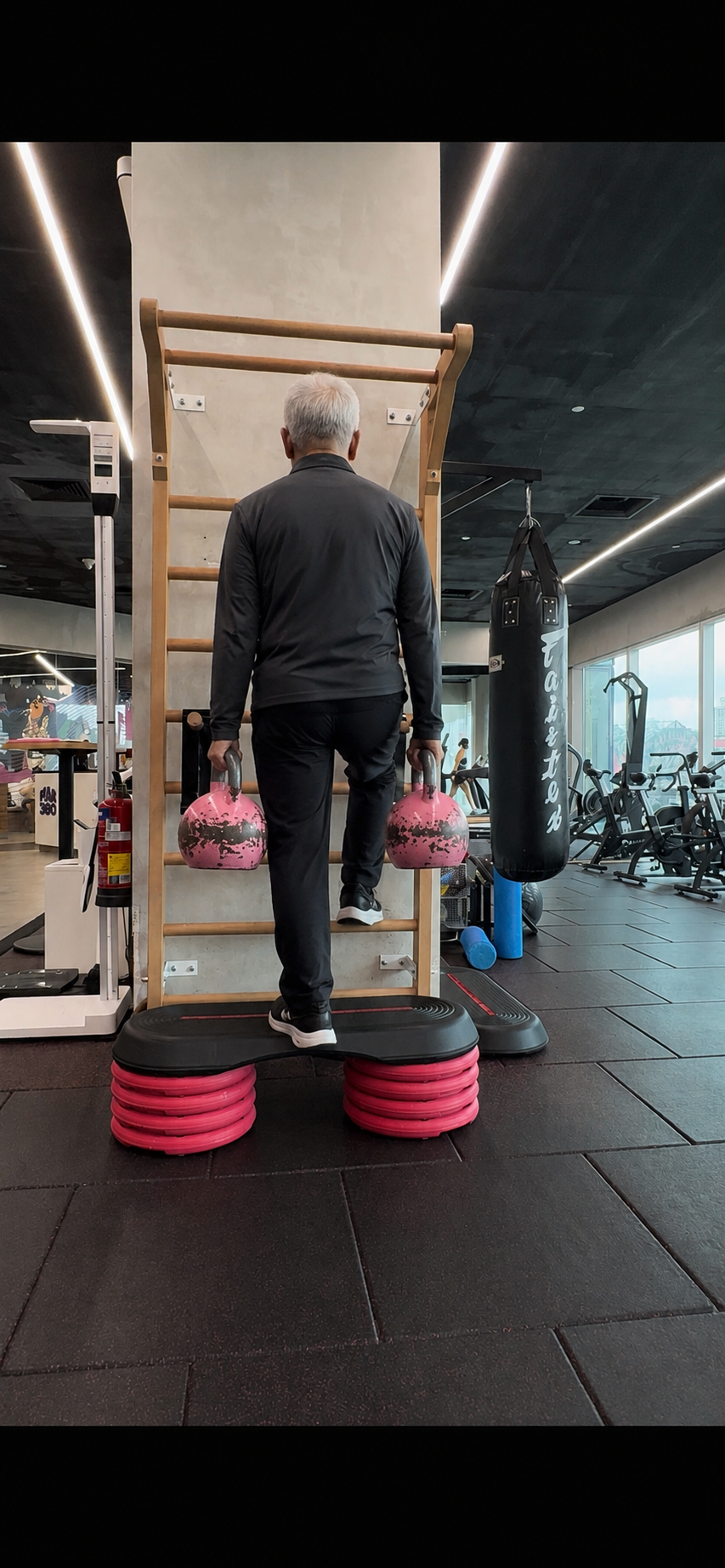
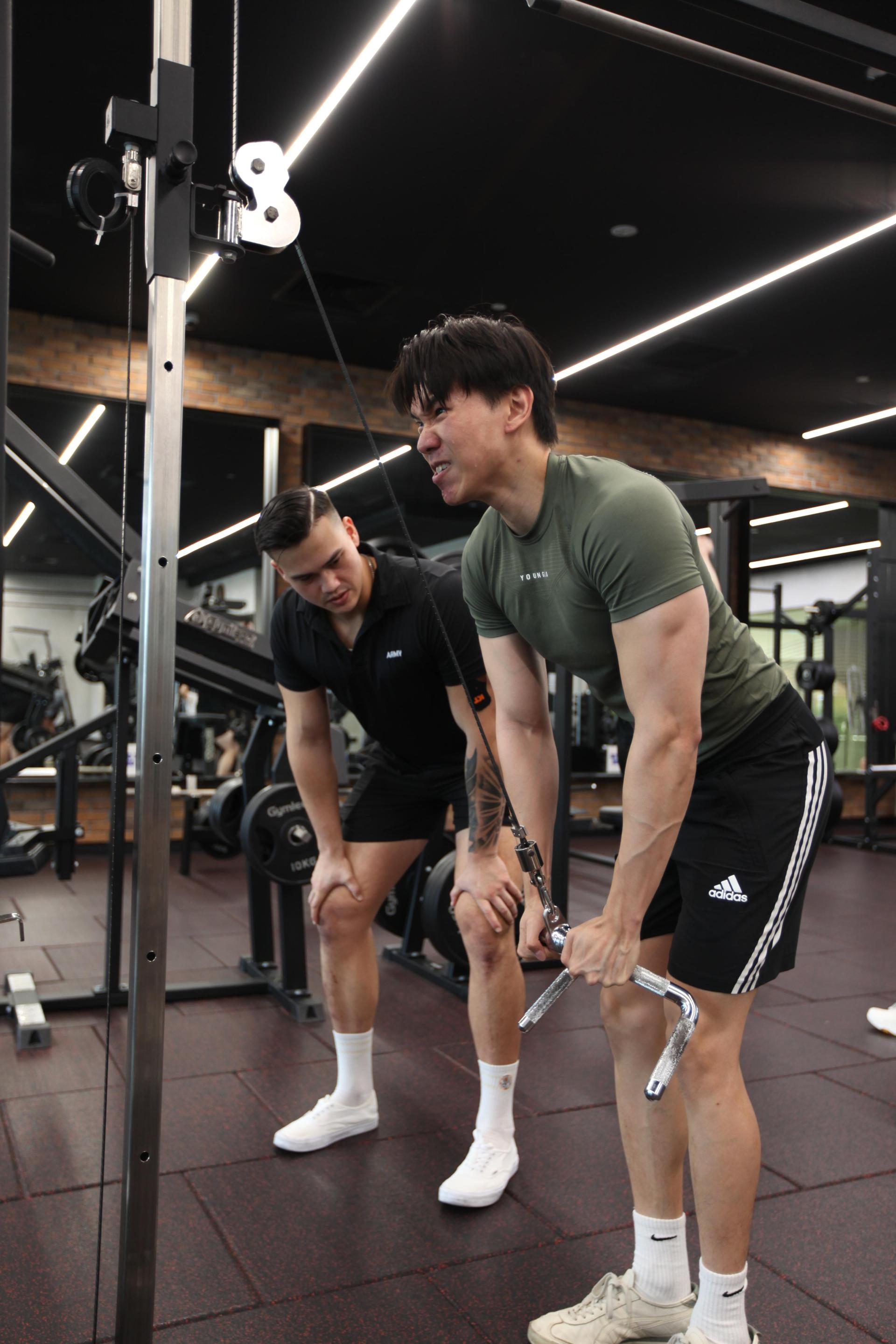
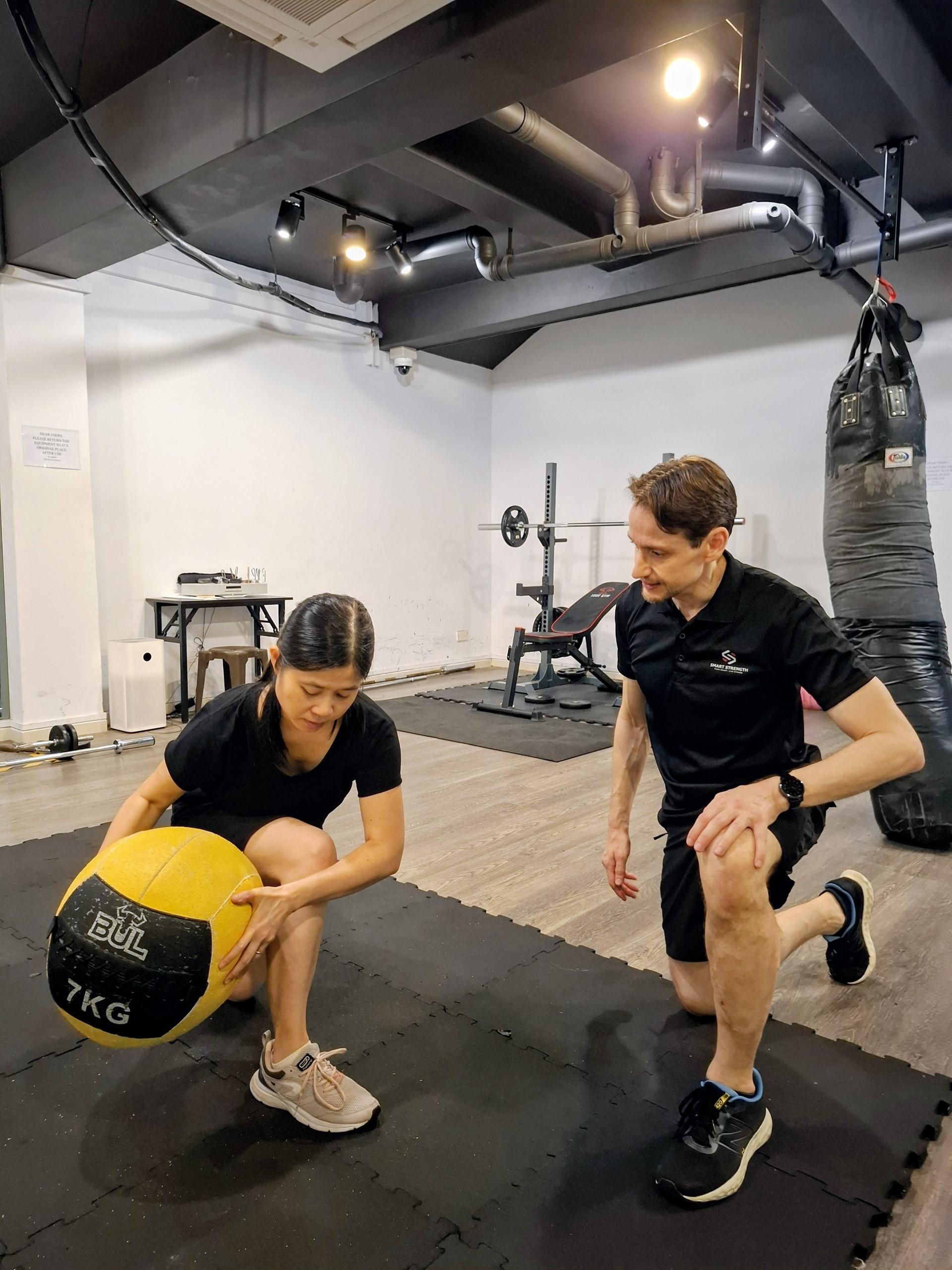
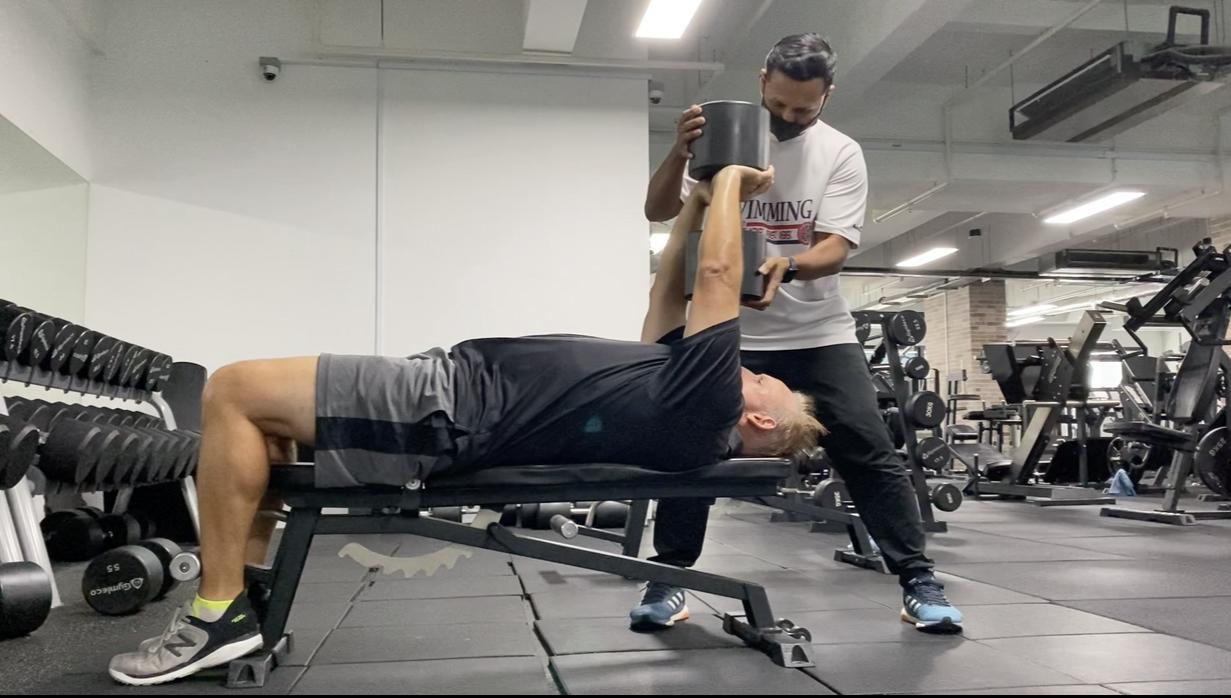
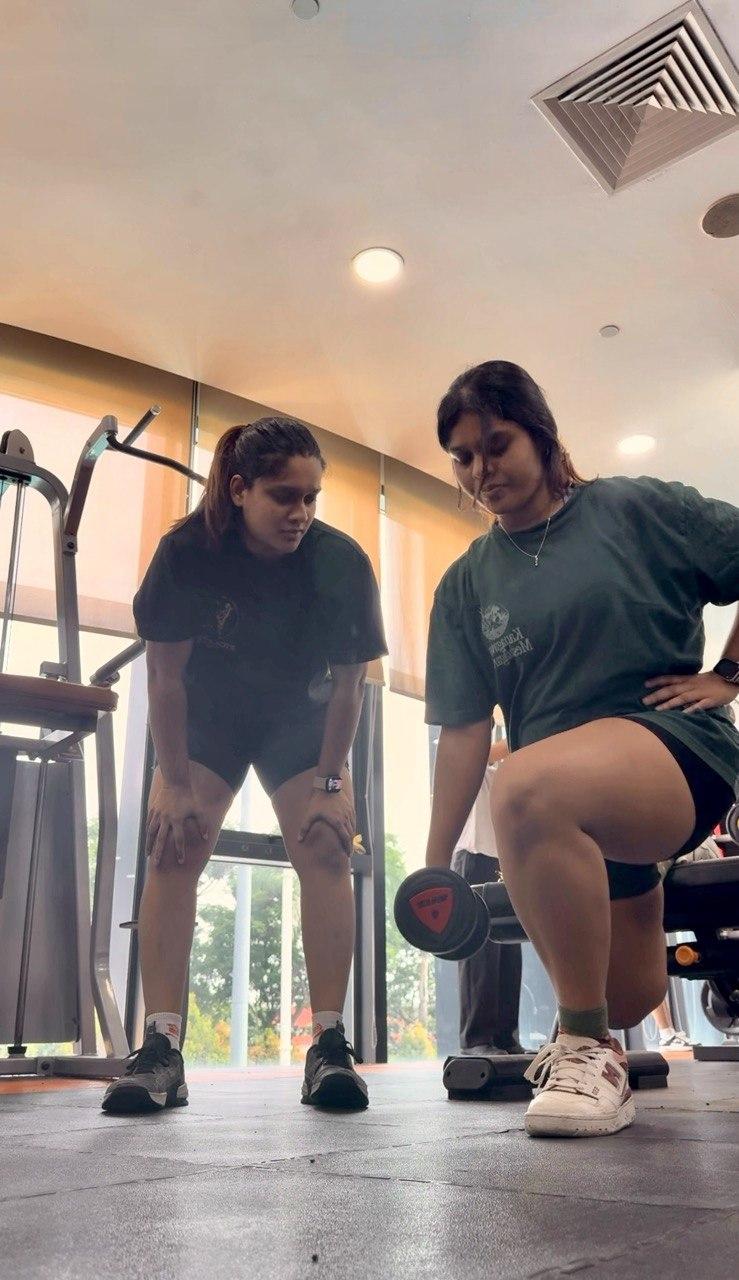
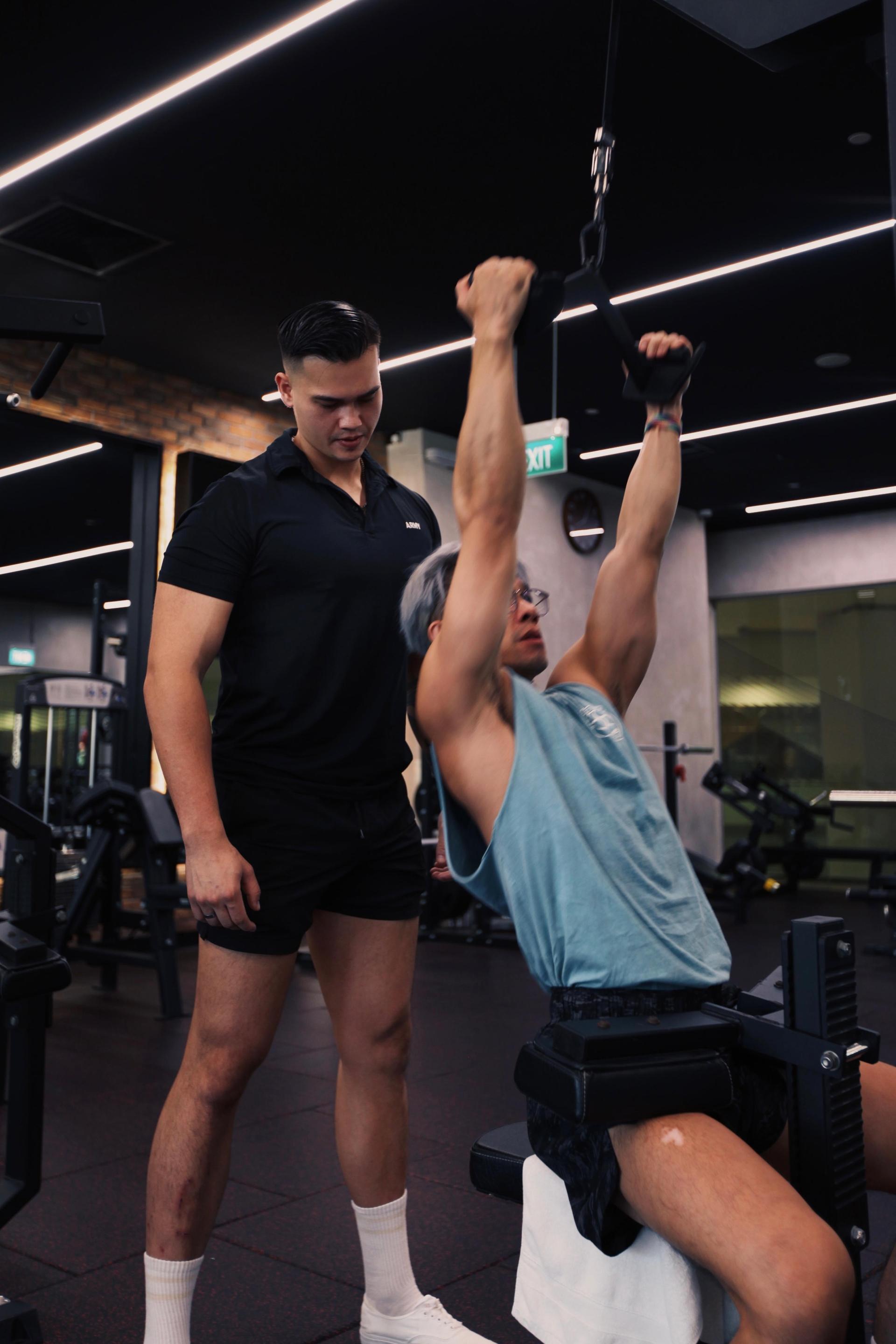
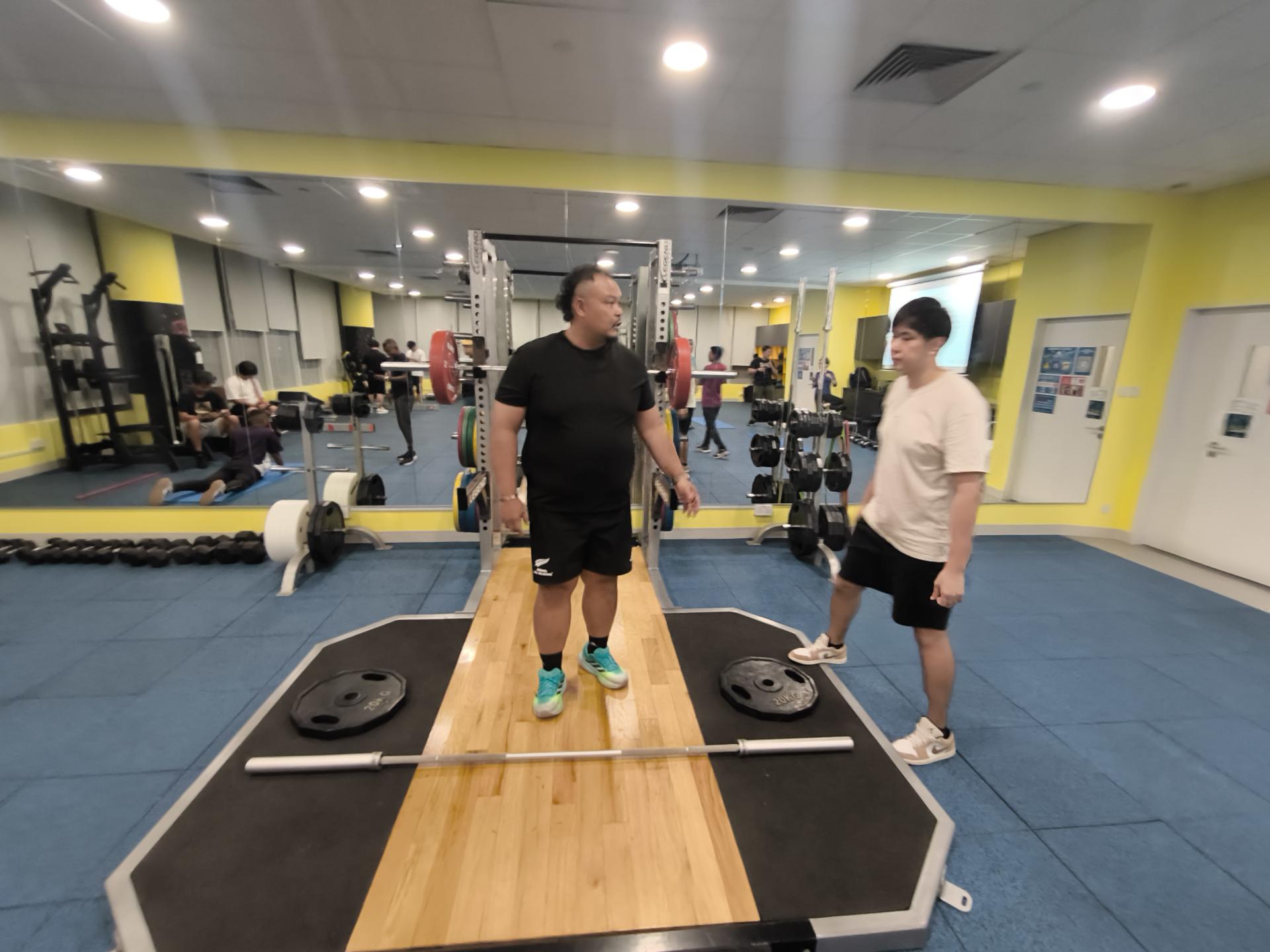
Our coaches at work
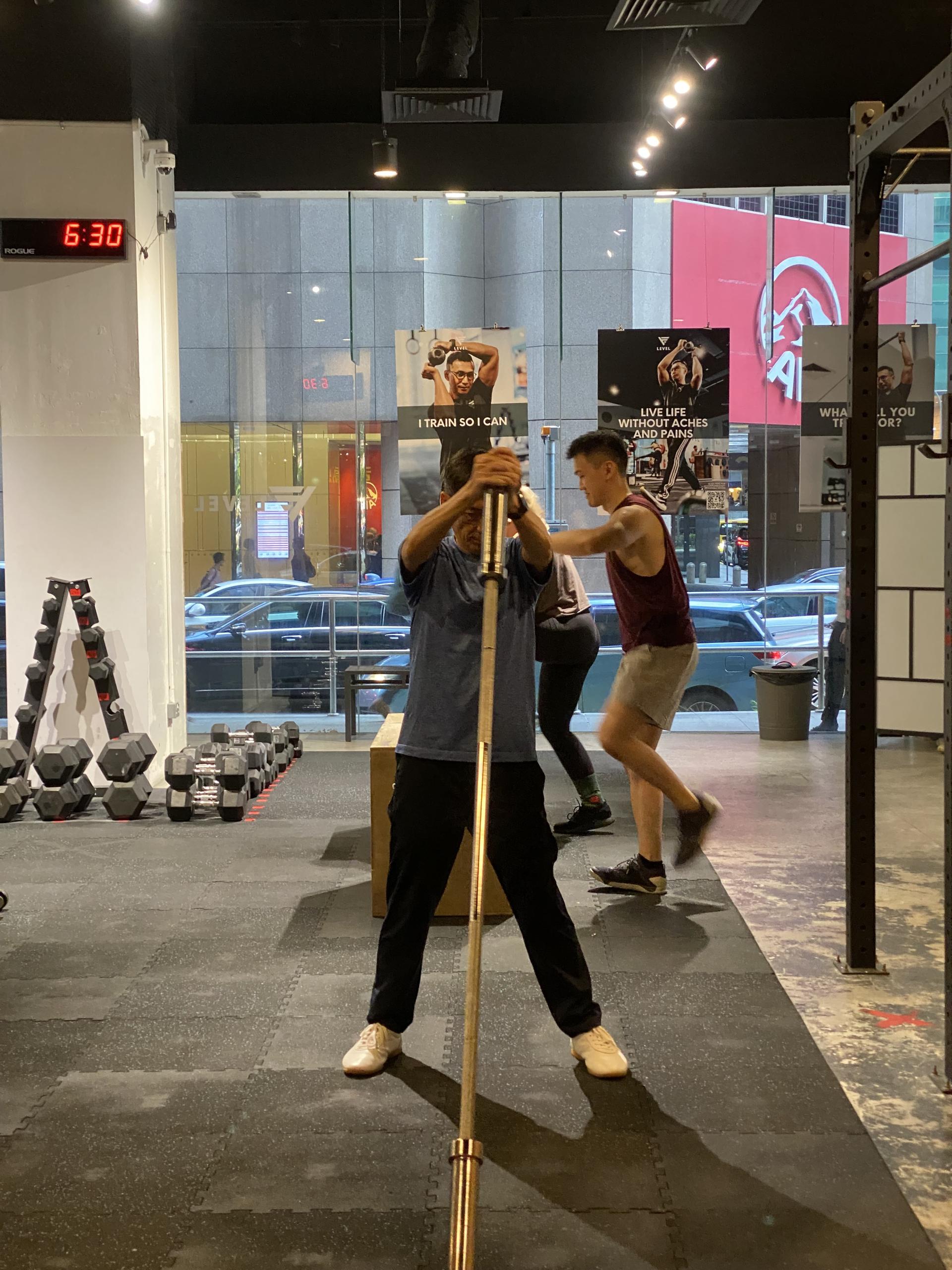
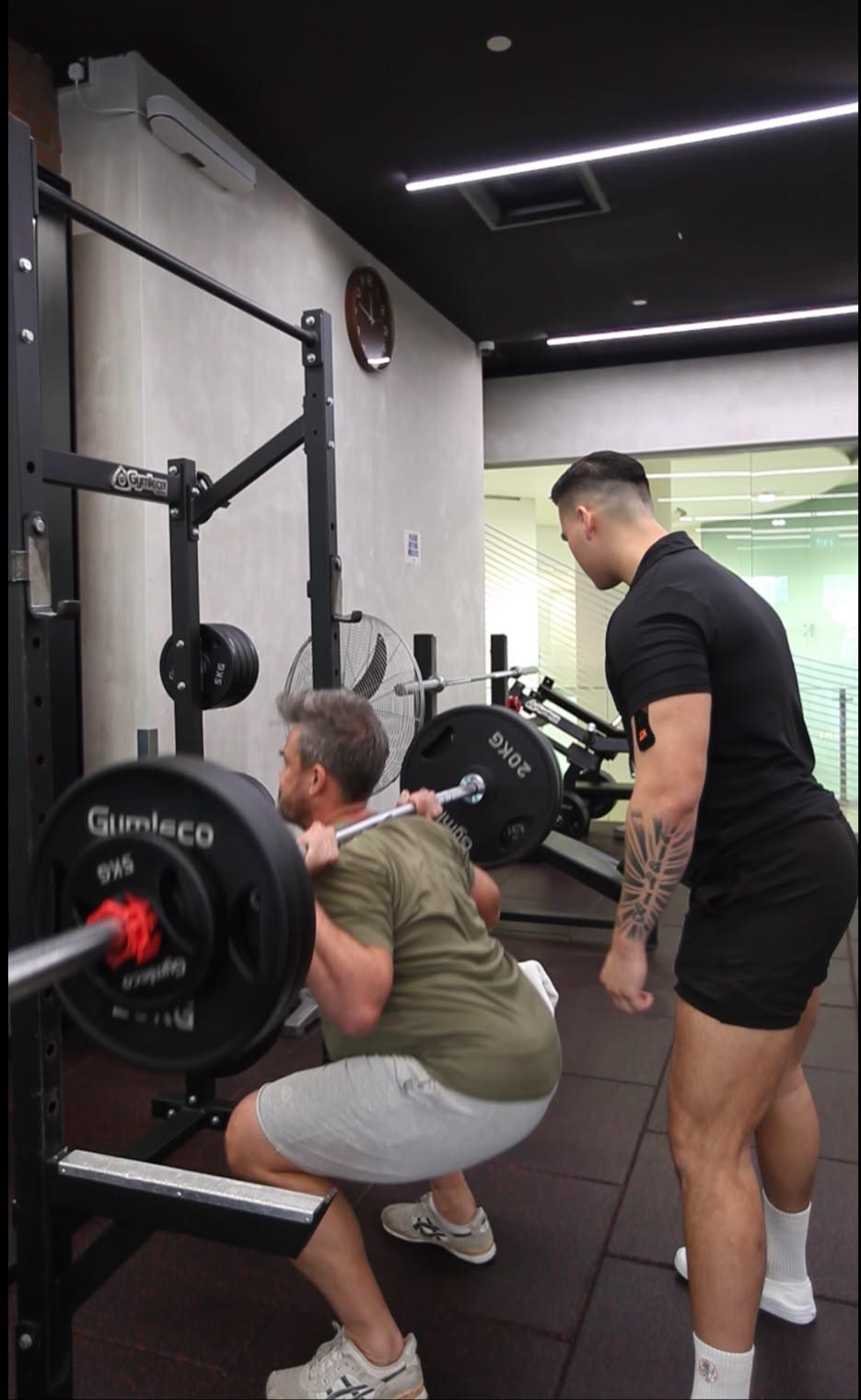
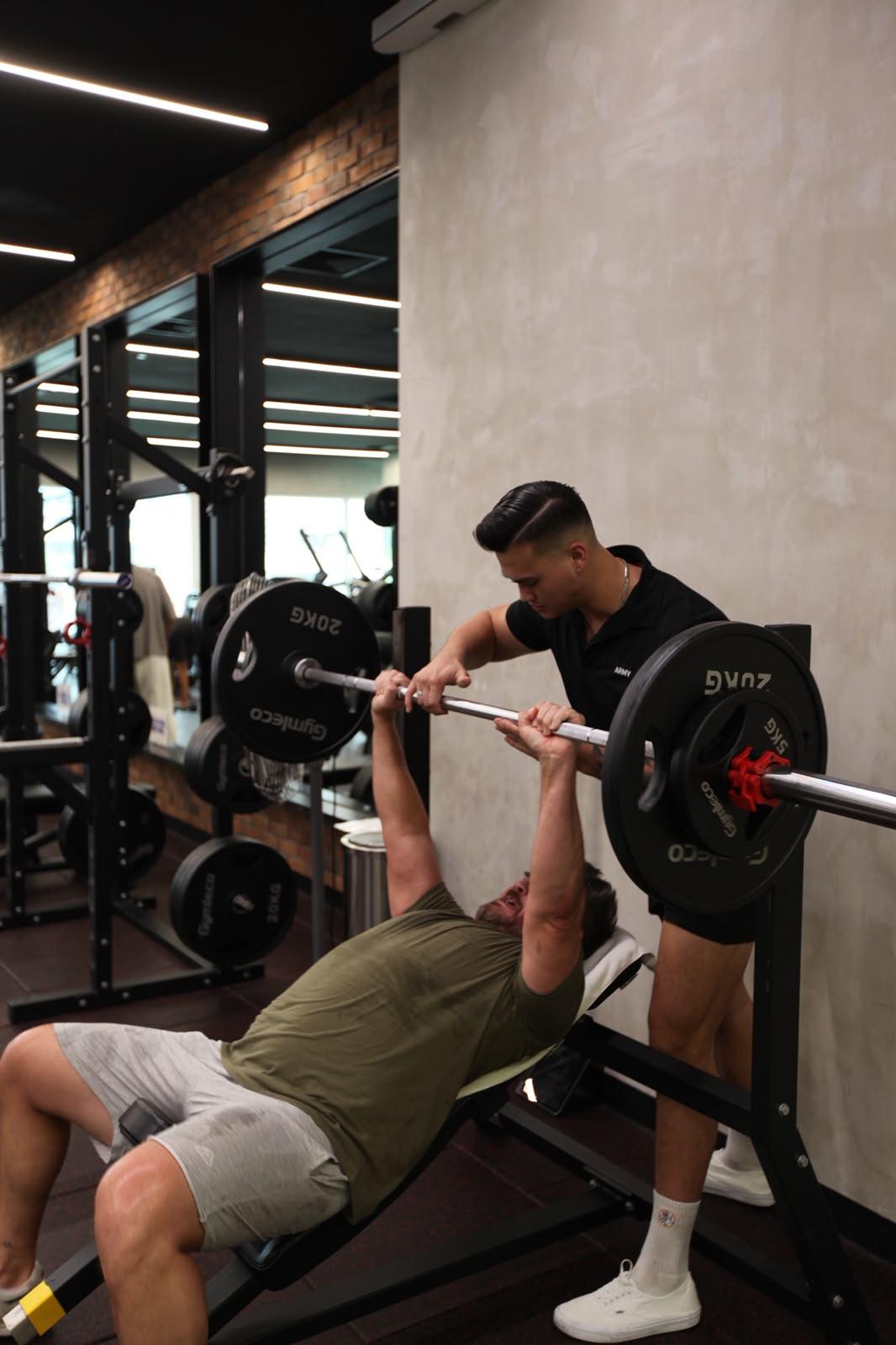
Real sessions from our coaches' own galleries. Swipe for more.
Questions.
Can I see a physiotherapist in Singapore without a referral?
Often, at a private clinic: Physio & Sole, for example, says most of its services need no doctor's referral, though Core Concepts says a referral letter may be needed. Subsidised physiotherapy is different. NHG Polyclinics need a referral from a polyclinic doctor, SingHealth Polyclinics take referrals only from their own doctors and two SGH departments, and hospital subsidies depend on an eligible referral. Some insurers also want a GP referral before they pay a claim.
Can a personal trainer treat an injury?
No. Diagnosing and treating injuries is a physiotherapist's or doctor's job, and the American Council on Exercise says it is outside a personal trainer's scope of practice. A trainer's role starts after clearance: coaching the strengthening work inside the limits your physio sets, and sending you back if something new hurts.
How much is a physio session in Singapore?
Two private clinics that publish prices: Core Concepts charges S$207.10 a session including GST, first visit or follow-up, and Physio & Sole starts from S$210 for 45 minutes before GST (read 26 October 2026). Polyclinic and hospital physio is subsidised for Citizens and PRs with a referral. AIC's Home Therapy for frail, homebound seniors starts from S$125 a visit before subsidies.
Can I use MediSave for physiotherapy?
For some settings. MediSave can pay up to S$25 a day per rehabilitation service, to S$1,500 a year, at approved day rehabilitation centres (MOH), and up to S$250 a day of the hospital charges at approved community hospitals (CPF). CPF's MediSave lists have no line for a physio session at a private clinic, so pay those yourself or claim from your insurer.
How long after an injury can I go back to the gym?
It depends on the injury, and your physio should decide. As a guide, the NHS says most sprains and strains feel better after about 2 weeks but advises avoiding strenuous exercise such as running for up to 8 weeks, and severe ones can take months. Go back in stages, starting with the exercises your physio has already cleared.
Are chiropractors and sports massage therapists the same as physiotherapists?
No. The Allied Health Professions Council registers five professions: physiotherapists, occupational therapists, speech-language therapists, diagnostic radiographers and radiation therapists. Chiropractors and massage therapists are not among them. If you want an AHPC-registered professional, check the name on the AHPC's public register before you book.

About this guide
Published
Sources
- Registers of Allied Health Professionals (read 26 Oct 2026) · Allied Health Professions Council
- Physiotherapy: our services (read 26 Oct 2026) · Singapore General Hospital
- National Registry of Exercise Professionals: exercise professionals (read 26 Oct 2026) · Sport Singapore
- Sport Singapore to launch a National Registry of Exercise Professionals, 6 Mar 2023 (read 26 Oct 2026) · Sport Singapore
- How to train a client with chronic injuries, 4 May 2017 (read 26 Oct 2026) · American Council on Exercise
- Sprains and strains (read 26 Oct 2026) · NHS
- Back pain (read 26 Oct 2026) · NHS
- SCDF emergency medical services (read 26 Oct 2026) · Singapore Civil Defence Force
- NHG Polyclinics physiotherapy (read 26 Oct 2026) · NHG Health
- Physiotherapy services (read 26 Oct 2026) · SingHealth Polyclinics
- Subsidies for specialist outpatient care at public healthcare institutions (read 26 Oct 2026) · Ministry of Health
- Rehabilitation Centre outpatient charges, effective 1 Jun 2026 (read 26 Oct 2026) · Singapore General Hospital
- Services and cost fees (read 26 Oct 2026) · Core Concepts
- Pricing (read 26 Oct 2026) · Physio & Sole Clinic
- Private vs public physiotherapy in Singapore, 15 Oct 2026 (read 26 Oct 2026) · Physio & Sole Clinic
- Home Therapy (read 26 Oct 2026) · Agency for Integrated Care
- MediSave for long-term care: day rehabilitation (read 26 Oct 2026) · Ministry of Health
- MediSave withdrawal limits, 1 Apr 2025 (read 26 Oct 2026) · CPF Board
- List of outpatient treatments under MediSave (read 26 Oct 2026) · CPF Board
General information, not medical advice.