Buyer's guide8 min read · Updated
How to Choose a Personal Trainer in Singapore
- Trial 10% off
- No membership
- WhatsApp reply, usually within the hour
The short answer
Choose a personal trainer in Singapore by checking for a recognised certification (NCSF, ACE, NASM or NSCA), matching them to your specific goal, and asking how they track progress.
- Be wary of guaranteed results, hard-sell tactics and trainers who ignore injuries.
- Expect a median of S$90 a session, with most at S$80-S$130 (Fit Titans roster, October 2026).
- Freelance, agency and gym-employed trainers each have tradeoffs in price, accountability and convenience.
Written by the Fit Titans coaching team. Edited by Theon. How we write guides
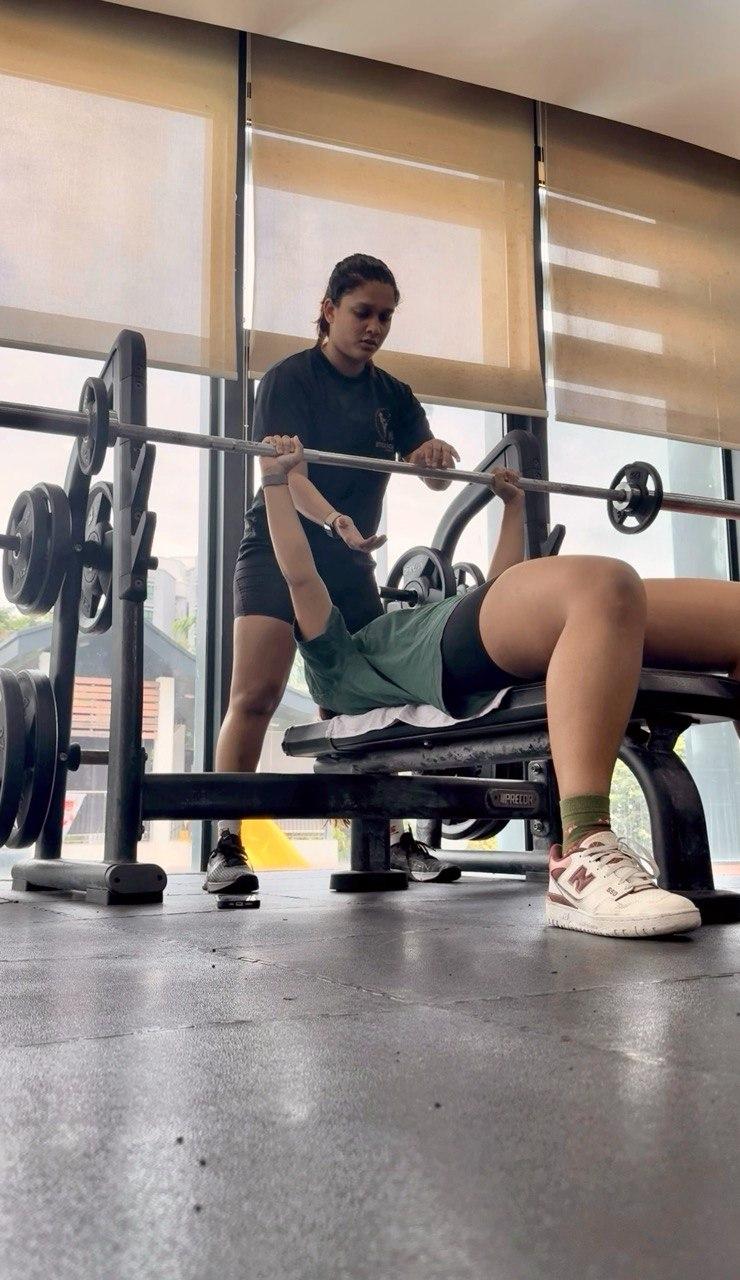
 Photo: Dimanya with a client
On this page (11)
- 1. What certification should a Singapore PT have?
- 2. What are NROC and NREP, and does a Singapore trainer need them?
- 3. What are the red flags when hiring a trainer?
- 4. What should you ask before you commit?
- 5. Freelance vs agency vs gym: which is better?
- 6. How should goal matching and cost work?
- 7. What is the quick checklist?
- 8. When do you need a specialist coach?
- 9. How do you verify a trainer's certification and insurance?
- 10. Why does coaching style matter as much as credentials?
- 11. How big a pack should you buy after a good trial?
Key facts
- Look for a recognised certification: NCSF, ACE, NASM or NSCA
- Match the trainer to your specific goal, not just availability
- Red flags: guaranteed results, hard selling, ignoring injuries or health history
- Ask how progress is tracked and what happens if it is not the right fit
What certification should a Singapore PT have?
A certification shows a trainer has met a recognised standard in exercise science, programming and safety. Three of the most widely respected internationally are ACE (American Council on Exercise), NASM (National Academy of Sports Medicine) and NSCA (National Strength and Conditioning Association).
Every Fit Titans coach publishes their certification, and we check it against the issuing body. A certification is the baseline, not a guarantee of skill, so combine it with the questions below.
What are NROC and NREP, and does a Singapore trainer need them?
We could not find any compulsory licence for personal trainers in Singapore. Sport Singapore runs two voluntary public registers instead. The National Registry of Coaches (NROC) is for sports coaches: registered coaches are certified under Sport Singapore's SG-Coach programme, hold Standard First Aid with CPR and AED, follow a code of ethics and keep up continuing education.
The National Registry of Exercise Professionals (NREP) is the register built for fitness trainers. It asks for Standard First Aid with CPR and AED, a relevant fitness accreditation and the Exercise Professional's Code of Ethics.
When NREP launched in 2023, Sport Singapore said all exercise professionals are "strongly encouraged" to sign up, and that from April 2024 government agencies that hire many of them, including Sport Singapore, the People's Association, the Health Promotion Board and the Ministry of Home Affairs, will only hire registered ones.
That rule binds those agencies, not you as a private client, so a listing is a useful check rather than a legal requirement. Both registers can be searched through Sport Singapore's Find a Coach tool.
What are the red flags when hiring a trainer?
- Guaranteed results or promises of a specific weight or look by a fixed date
- Hard selling large packages on the spot before any assessment
- Ignoring your injury or health history, or dismissing pain
- No clear way to track progress beyond the bathroom scale
- One-size-fits-all programs with no relation to your goal
- No recognised certification, or vagueness when you ask about credentials
- "Transformation challenges" with public weigh-ins you did not ask for.
- Refusal to train a trial session before a large prepaid package.
- No answer on insurance when training in your condo gym.
- Pushing supplements as the main product instead of progressive training and food basics.
What should you ask before you commit?
A good trainer welcomes these questions. Use them in a first call or trial session to gauge fit.
| Ask this | Why it matters |
|---|---|
| What certification do you hold? | Confirms a recognised baseline (NCSF, ACE, NASM, NSCA) |
| Have you coached my specific goal before? | Goal-specialist matching beats a generalist |
| How do you track and review progress? | Shows a structured, accountable approach |
| How do you handle injuries or health conditions? | Safety and honest scoping, not blind promises |
| What happens if we're not a good fit? | Reveals their flexibility and your risk |
On the first call or WhatsApp, lead with goal, injuries, venue and schedule, not price alone, and ask for examples of clients with similar goals (IPPT, postnatal, desk-related back pain) without demanding fabricated before/after claims. Then, before you pay, cover the practical questions below. Use freelance vs agency to decide if you want rematch cover, then confirm rates on our pricing page.
- What happens if I am injured or travel, or if you are unwell?
- What is your cancellation policy, and do packages expire?
- Are you insured for training at my home or condo gym, and can my condo MCST accept external trainers?
- Will I get the same coach every session?
- Can you work within my GP or physio's restrictions?
- Is nutrition guidance included or extra?
- What is the all-in price per month at twice a week?
Freelance vs agency vs gym: which is better?
Each model has tradeoffs. Freelance trainers can be cheaper and flexible, but you vet credentials and handle scheduling yourself with little recourse if it doesn't work out. Gym-employed trainers are convenient if you already train there, though you are tied to that location and trainers rotate.
An agency like Fit Titans vets certifications, matches you to a goal specialist, comes to you, and helps you change coach where reasonable if the fit is wrong. For a deeper comparison of training with a coach versus going it alone, see personal trainer vs gym.
How should goal matching and cost work?
The single biggest predictor of results is matching the trainer to your goal, whether that is strength, fat loss, prenatal training or rehab support. Ask directly about relevant experience. On price, expect a median of S$90 a session, with most at S$80-S$130 (Fit Titans roster, October 2026), depending on the trainer, package size and location. For a full breakdown see personal trainer cost in Singapore.
What is the quick checklist?
- Holds a recognised certification (NCSF, ACE, NASM or NSCA)
- Has experience with your specific goal
- Does an assessment before selling a big package
- Explains how progress will be tracked
- Asks about injuries and health history
- Is clear about pricing and what happens if it's not a fit
New to personal training? Start with PT for beginners, then compare mobile agency comparison.
When do you need a specialist coach?
Postnatal, prenatal, post-rehab, IPPT and seniors training each need pattern recognition generalists lack. Pay the specialist premium when your health or safety depends on that experience, such as pregnancy, a recent injury or training in your 70s. Otherwise an experienced general coach inside the typical S$80-S$130 band is fine for fat loss and strength. Match via SmartMatch or browse the roster.
Ask: "How many clients like me have you trained in the last 12 months?" IPPT, hawker-centre fat loss and condo-gym strength are different skill sets. A strong powerlifting coach is the wrong default for diastasis recti, and a fat-loss generalist may under-prepare you for IPPT Gold.
Prenatal needs clearance-first language, seniors need load management and runners need aerobic periodisation. Cluster pages help: prenatal training, postnatal personal training, IPPT & NAPFA, seniors training, female personal trainer.
How do you verify a trainer's certification and insurance?
Ask for certification number and check the issuer's public registry - do not accept a PDF alone. Red flags: refusal to name cert body, "international cert" with no lookup, or pressure to pay before a movement screen. Our trainers page lists credentials we verify. See also freelance vs agency vetting.
Then request the insurer name, confirm the condo guest procedure, agree cancellation hours, and write down the 8-12 week success metrics (waist, run time, push-up count, not only scale weight). Keep receipts and session logs. That paperwork helps if you pause for travel or medical leave.
Why does coaching style matter as much as credentials?
Singapore clients often train before work, after long MRT commutes or while kids sleep. You need a coach who respects short sessions, wet-weather backups and hawker-centre food realities - not a copy-paste US meal-prep PDF. Personality fit predicts adherence. An agency that helps you change coach, with unused sessions moving with you, protects your pack when the first pairing feels off.
How big a pack should you buy after a good trial?
Start with 8-12 sessions for most people - enough to judge adherence without locking a massive balance. Scale up when results and rapport are clear. Huge prepaid packages sold on day one remain a caution signal.
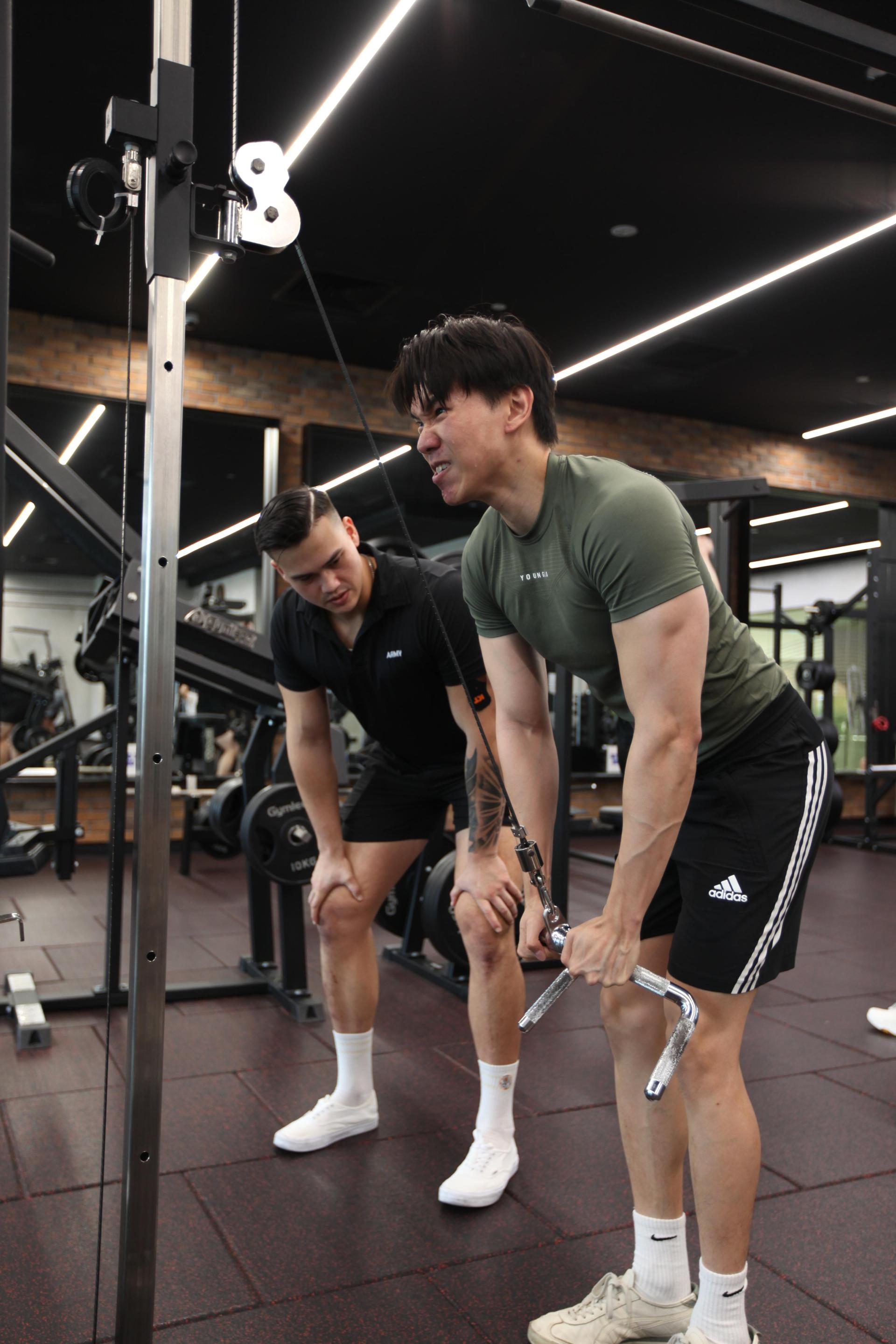
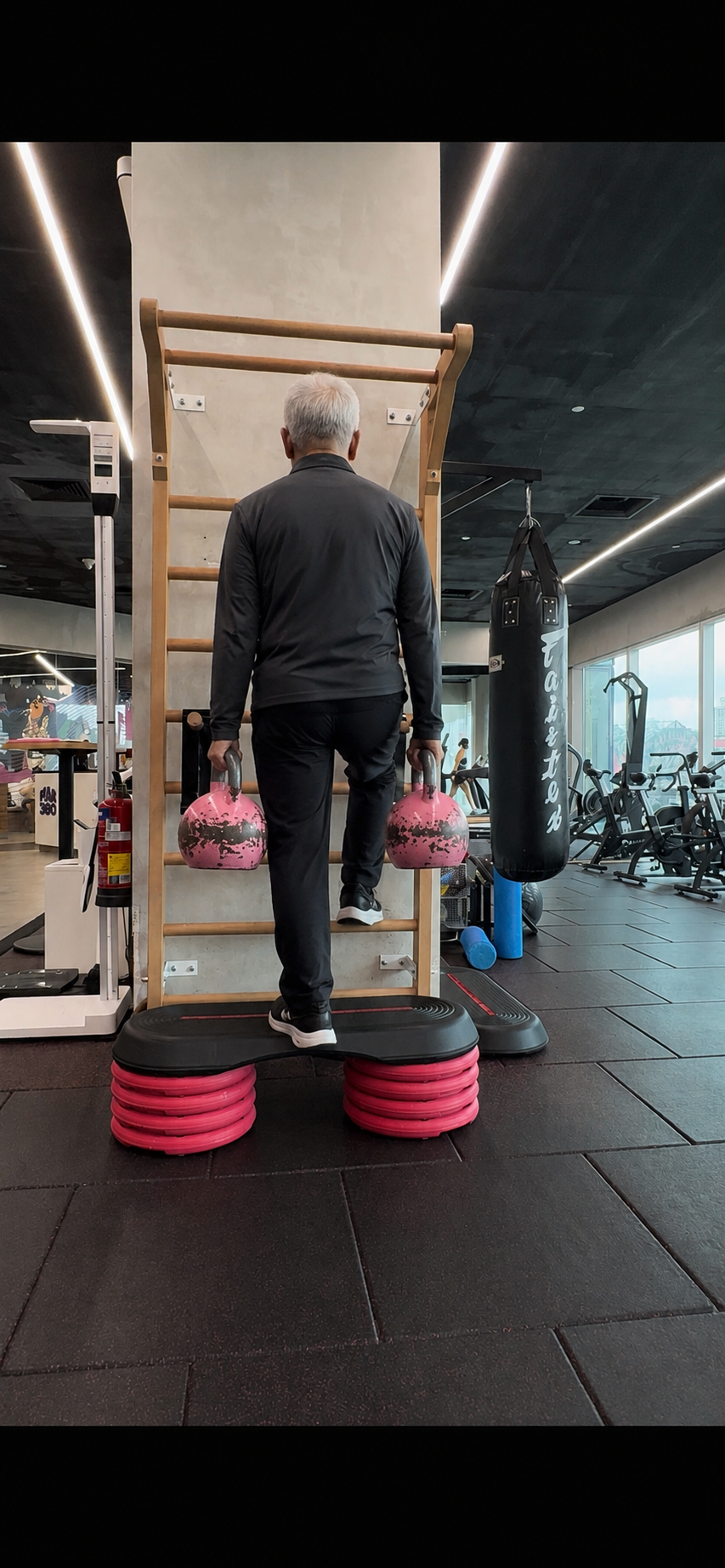
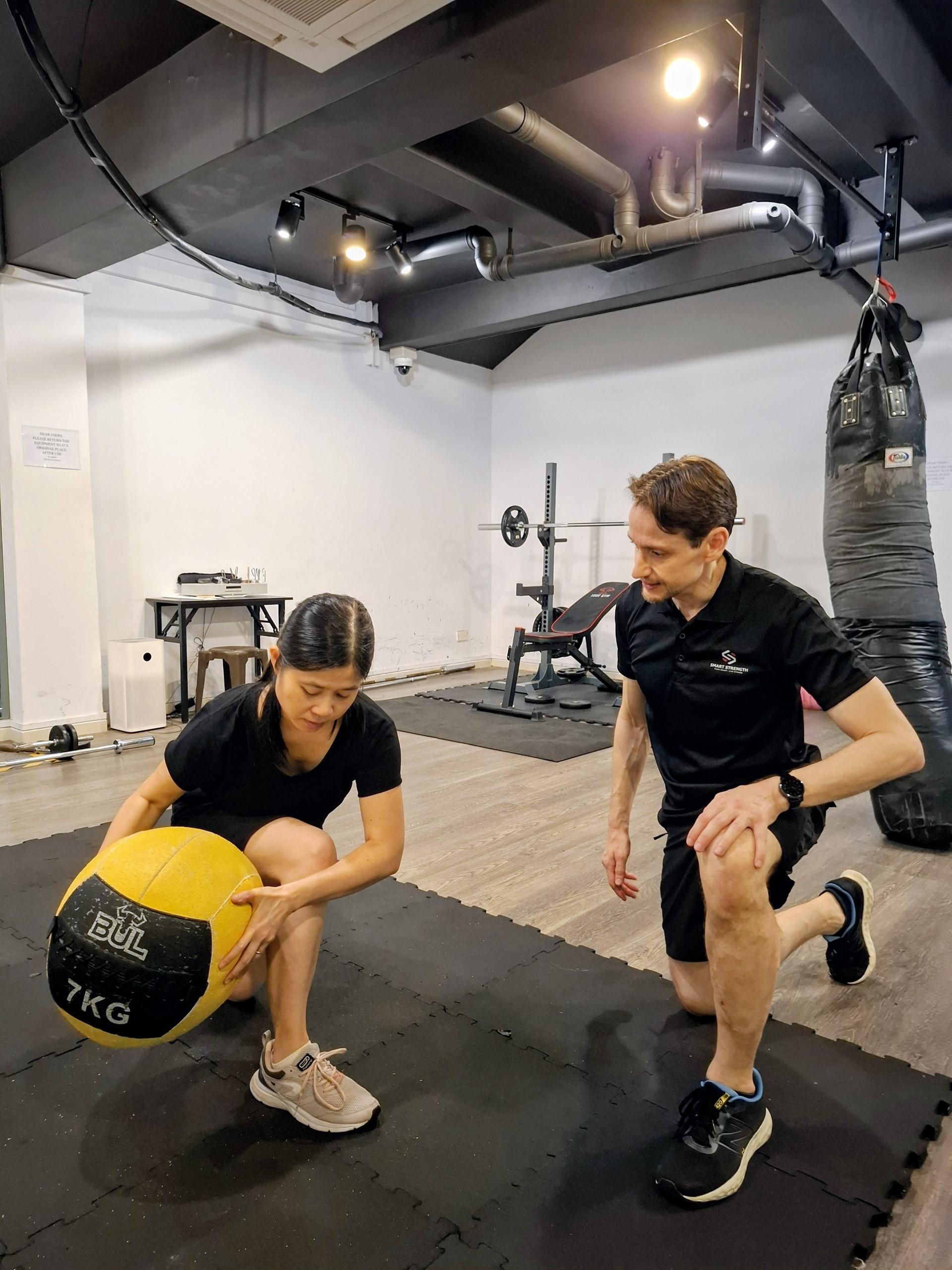
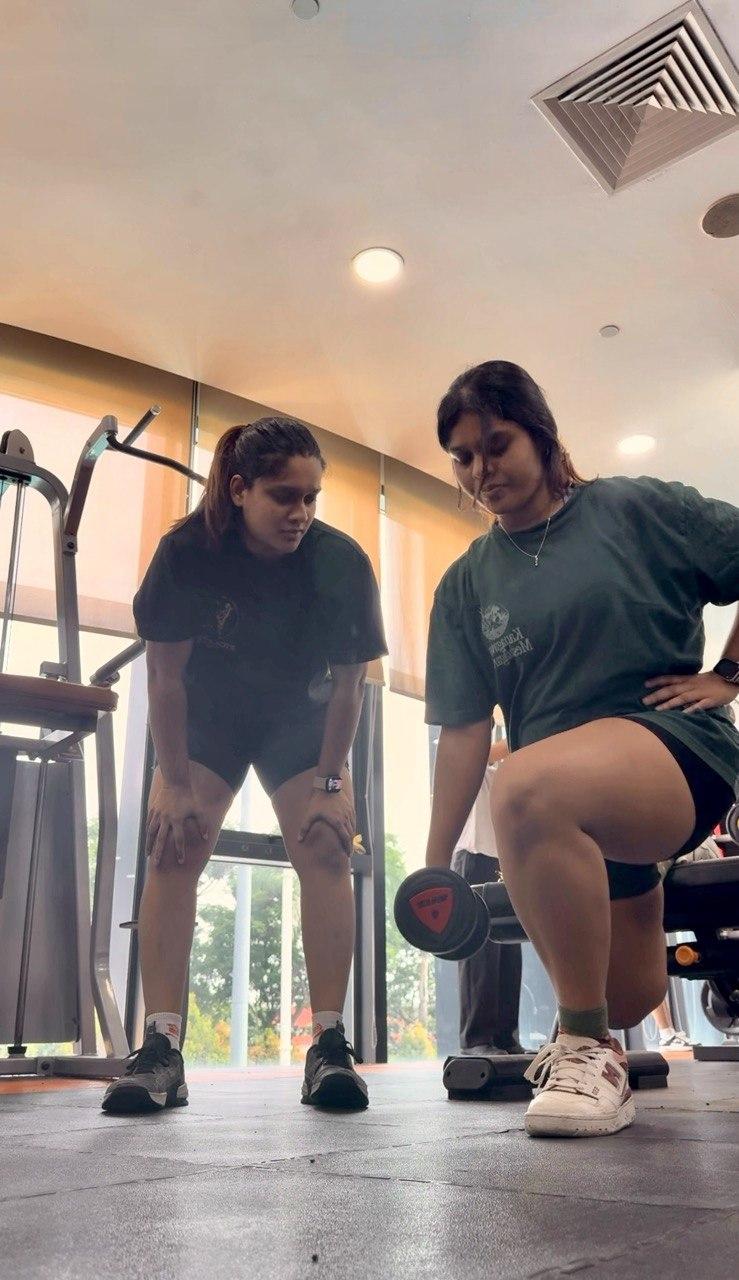
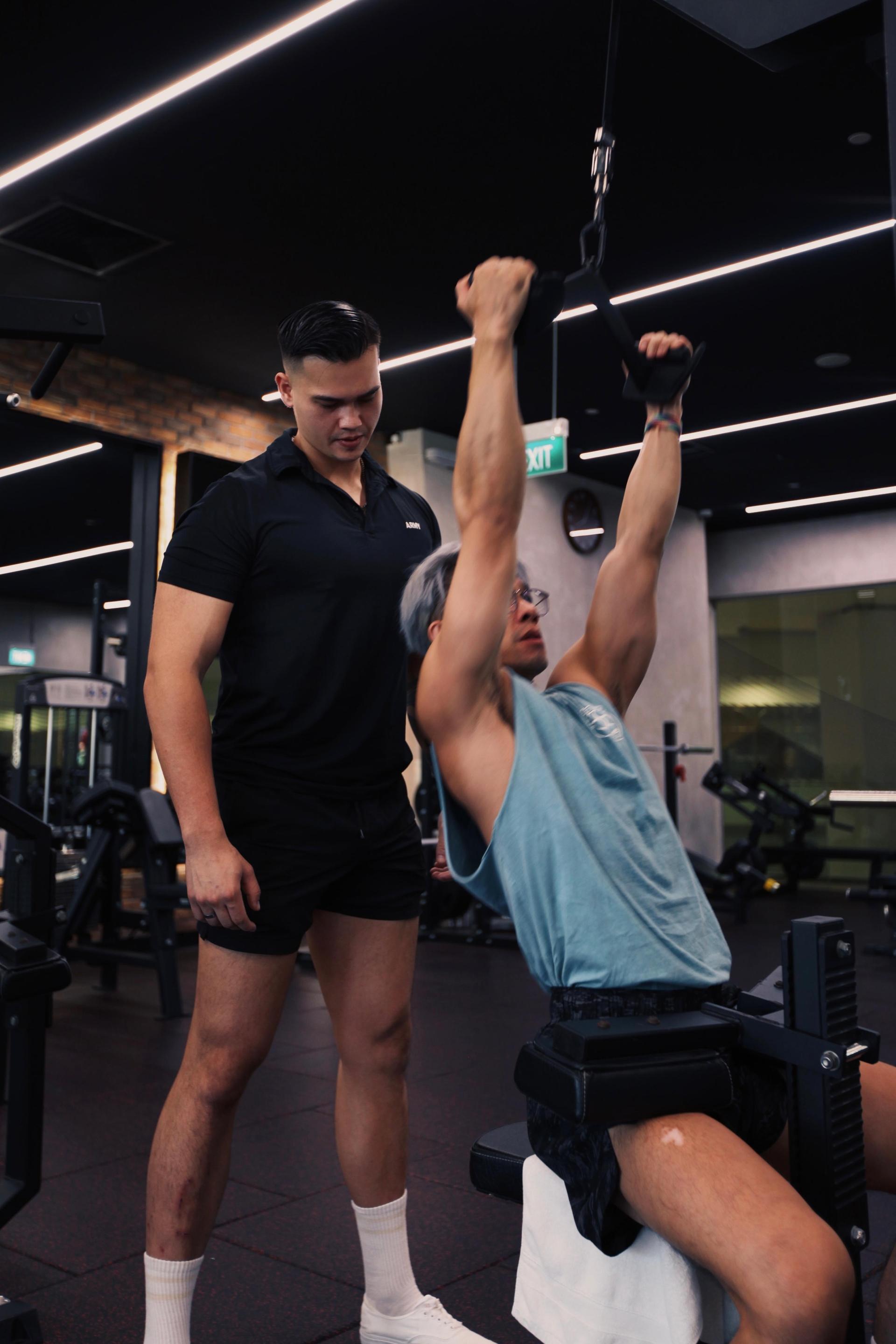
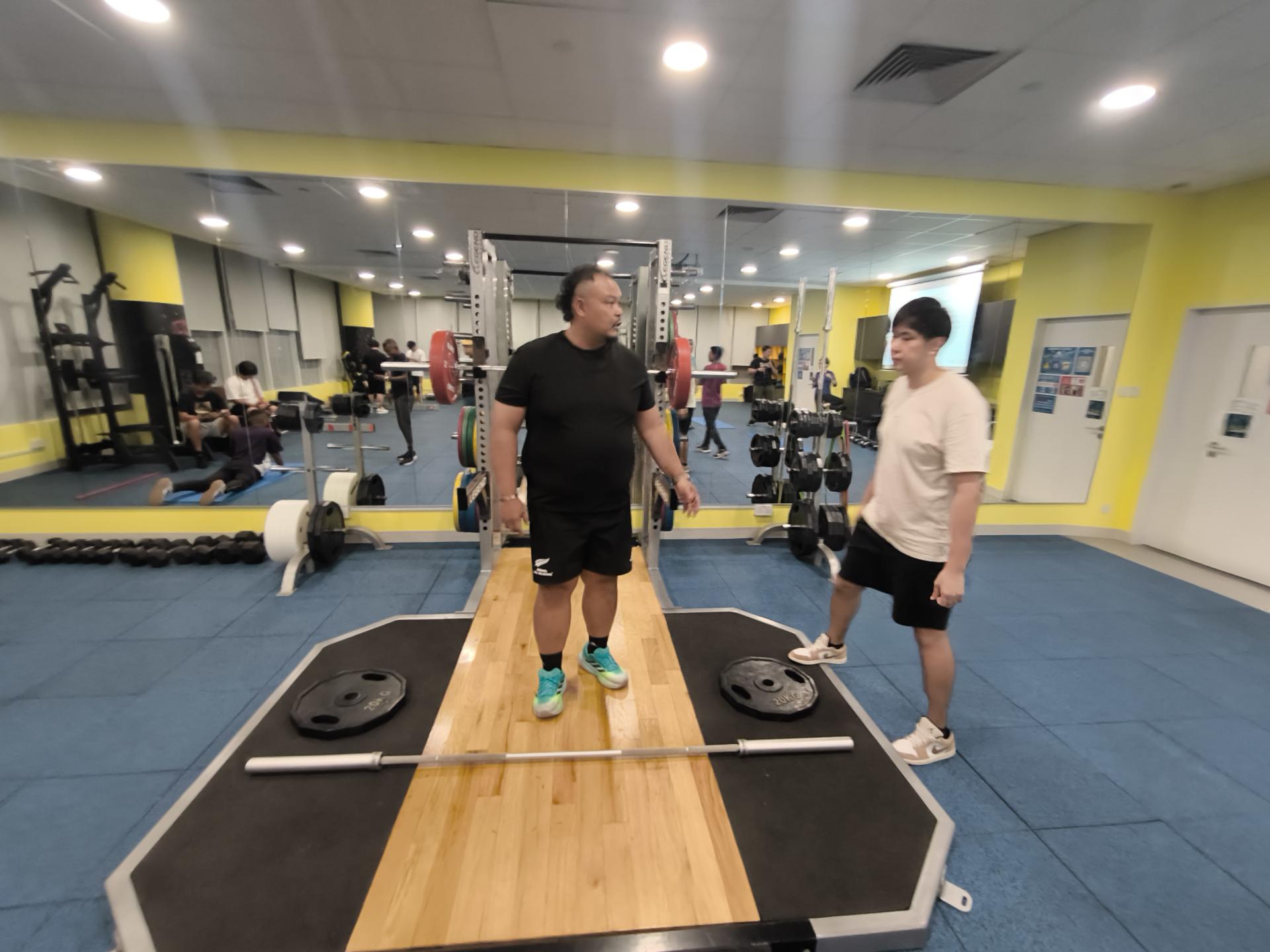
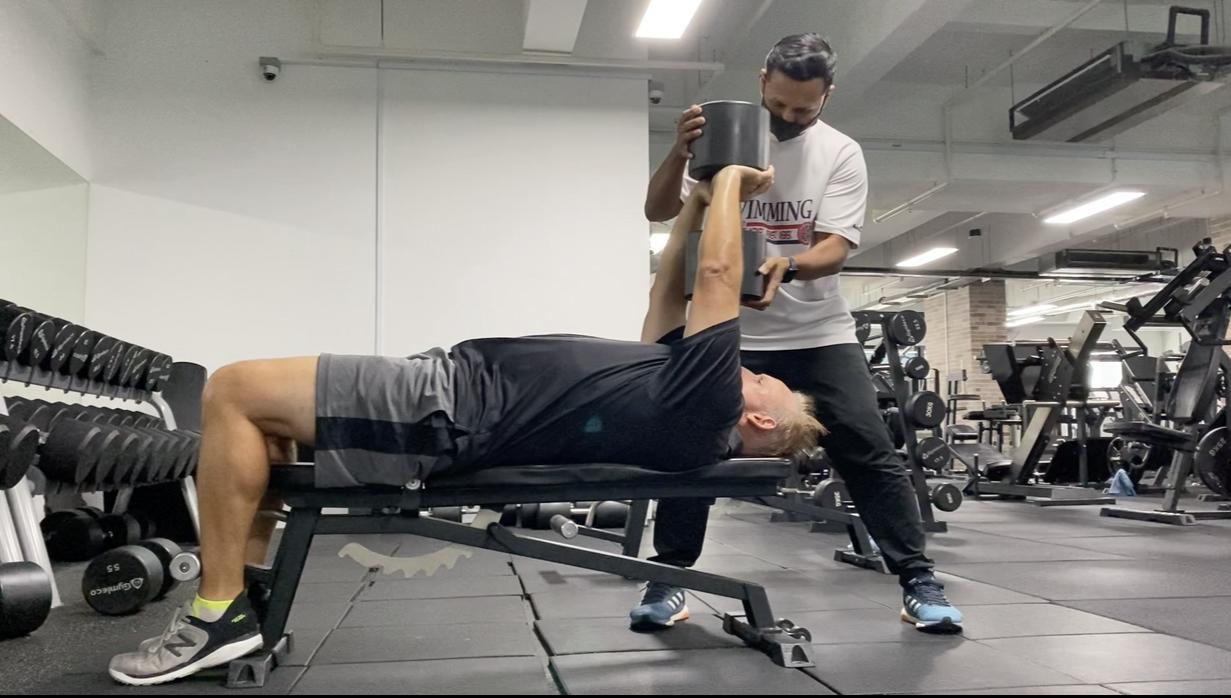
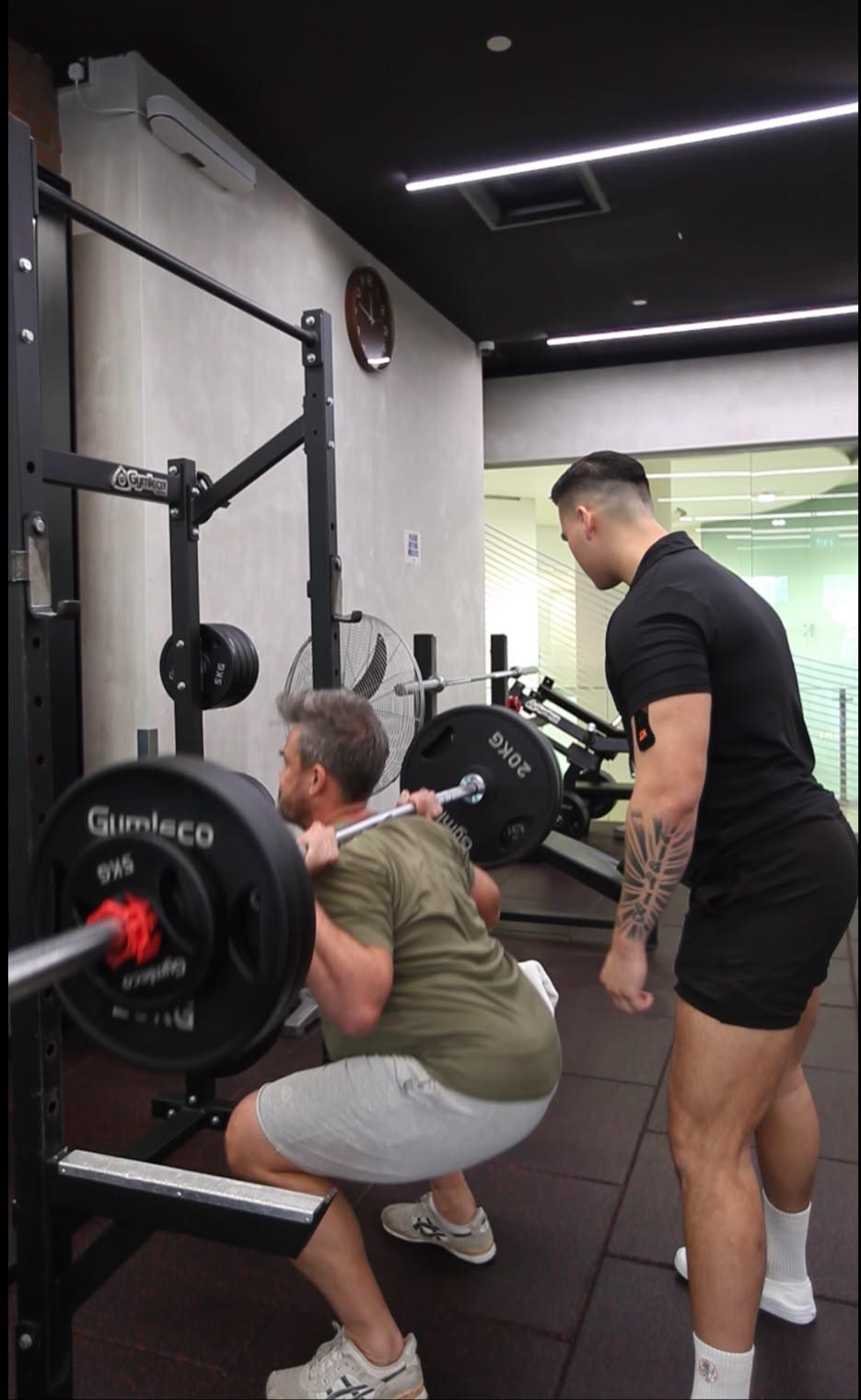
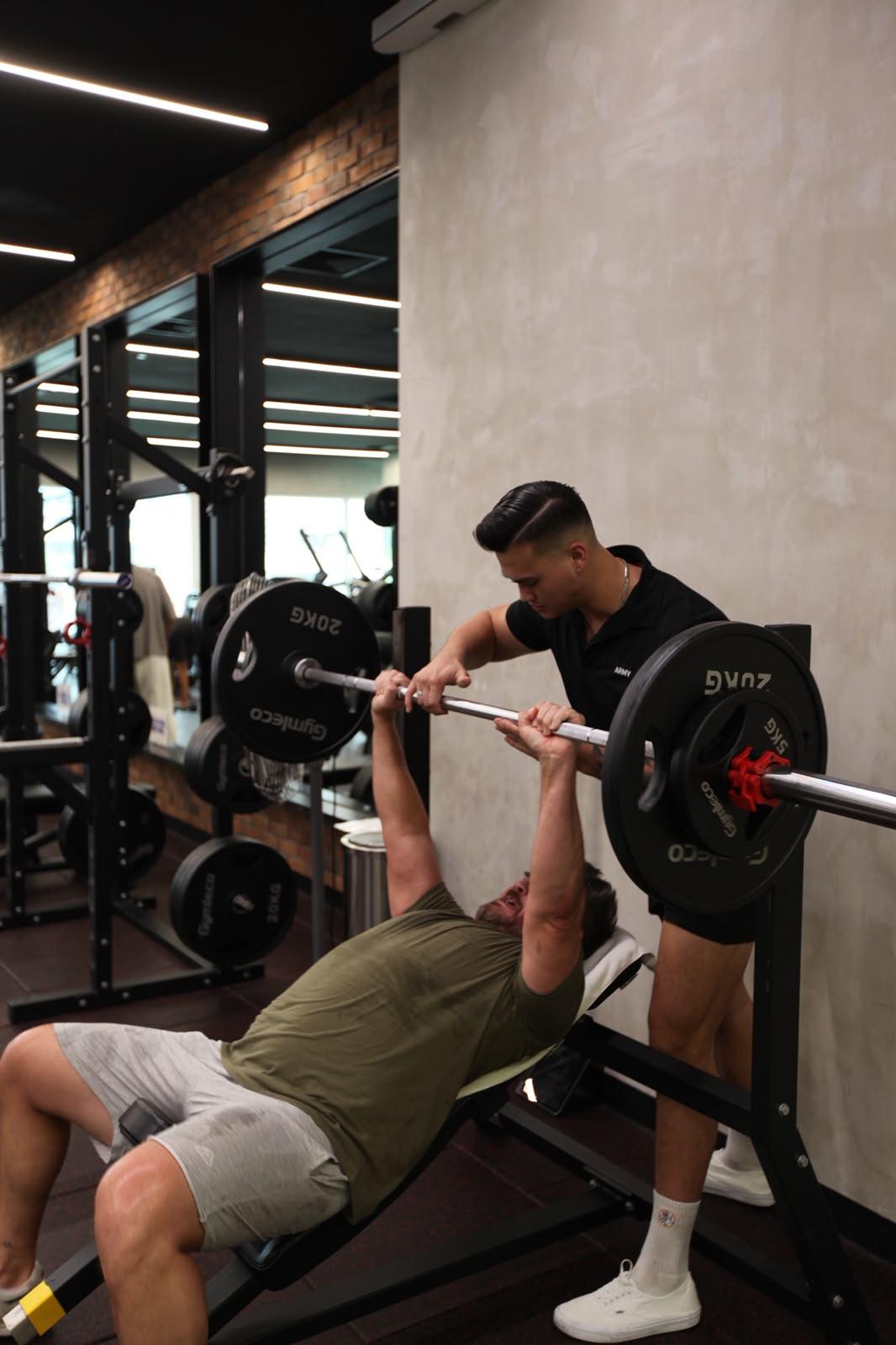
Our coaches at work
Real sessions from our coaches' own galleries. Swipe for more.
Questions.
What certification should a Singapore personal trainer have?
Look for a recognised international certification such as NCSF, ACE, NASM or NSCA. These confirm a baseline in exercise science, programming and safety. Treat the certification as a starting point and pair it with questions about goal experience and progress tracking.
What are the biggest red flags?
Guaranteed results by a fixed date, hard-selling large packages before any assessment, ignoring your injuries or health history, and having no clear way to track progress beyond the scale. Certificates that cannot be checked on the NCSF, ACE, NASM or NSCA registries, and no answer on insurance for your condo gym, are just as serious. Any of these is a reason to keep looking.
Is a freelance trainer or an agency better?
Freelancers can be cheaper and flexible but you vet and manage everything yourself. An agency vets credentials, matches you to a goal specialist and offers recourse if the fit is wrong. The right choice depends on how much vetting and scheduling you want to handle.
How much should I expect to pay?
Expect a median of S$90 a session, with most at S$80-S$130 (Fit Titans roster, October 2026), depending on the trainer, package and location. Packs of 10, 15 or 20 sessions take 5%, 10% or 15% off a coach's rate for coaches who offer packs, and a specialist can sit higher in the band. Check each coach's own rate on /pricing before you message. See our cost guide for a fuller breakdown.
Should I hire a trainer who is also an influencer?
Treat a large following as marketing, not evidence. Prioritise a verifiable certification (NCSF, ACE, NASM or NSCA), insurance, specialty fit for your goal and a clear session plan. Ask how many clients like you the trainer has coached in the last 12 months. Followers do not replace a movement screen before any package is sold.
Is NROC registration required to hire a PT in Singapore?
No. NROC is Sport Singapore's voluntary register for sports coaches, and NREP is its voluntary register for exercise professionals. Sport Singapore strongly encourages trainers to join NREP, and only government agencies that hire many trainers must use registered ones. A listing is a useful signal when present, not the only filter. International certs (NCSF/ACE/NASM/NSCA and peers) plus insurance and goal experience still matter for mobile coaching.
How many trainers should I trial before buying a pack?
One thorough trial is usually enough if the agency will help you change coach when the fit is wrong. If you are hiring a pure freelancer with no one to switch you to another coach, consider two short consults before a large prepaid block.
Should price be the main deciding factor?
No. Use price as a filter inside the typical S$80-S$130 band (median S$90, October 2026), then decide on goal fit, insurance and specialty. Pay a specialist premium when your safety depends on that experience, such as pregnancy, a recent injury or training in your 70s. The cheapest option that fails is expensive.
Should I choose a male or female personal trainer?
Decide on goal fit and certification first, then on comfort. Gender alone tells you nothing about coaching quality. If privacy, religion or postnatal modesty matters to you, ask for a female coach when you message: we match on request and there is no separate pricing tier for it.
About this guide
Published · revised
Terms used
- IPPT:
- Individual Physical Proficiency Test.
- ACE:
- American Council on Exercise, a US certifying body for personal trainers, with specialist add-ons such as Senior Fitness Specialist.
- NASM:
- National Academy of Sports Medicine, a US certifying body known for its corrective-exercise model.
- NSCA:
- National Strength and Conditioning Association, a US body whose CSCS credential focuses on athletic strength and conditioning.
- NCSF:
- National Council on Strength and Fitness, a US certifying body.
Sources
- ACE certification standards · American Council on Exercise
- NASM certification standards · National Academy of Sports Medicine
- NSCA certification standards · National Strength and Conditioning Association
- National Registry of Coaches (NROC) · Sport Singapore
- National Registry of Exercise Professionals (NREP): requirements and Find a Coach · Sport Singapore, ActiveSG Circle
- Sport Singapore to launch the National Registry of Exercise Professionals (6 March 2023) · Sport Singapore, ActiveSG Circle
General information, not medical advice.


