
Functional6 min read · Updated
Functional Training in Singapore
The short answer
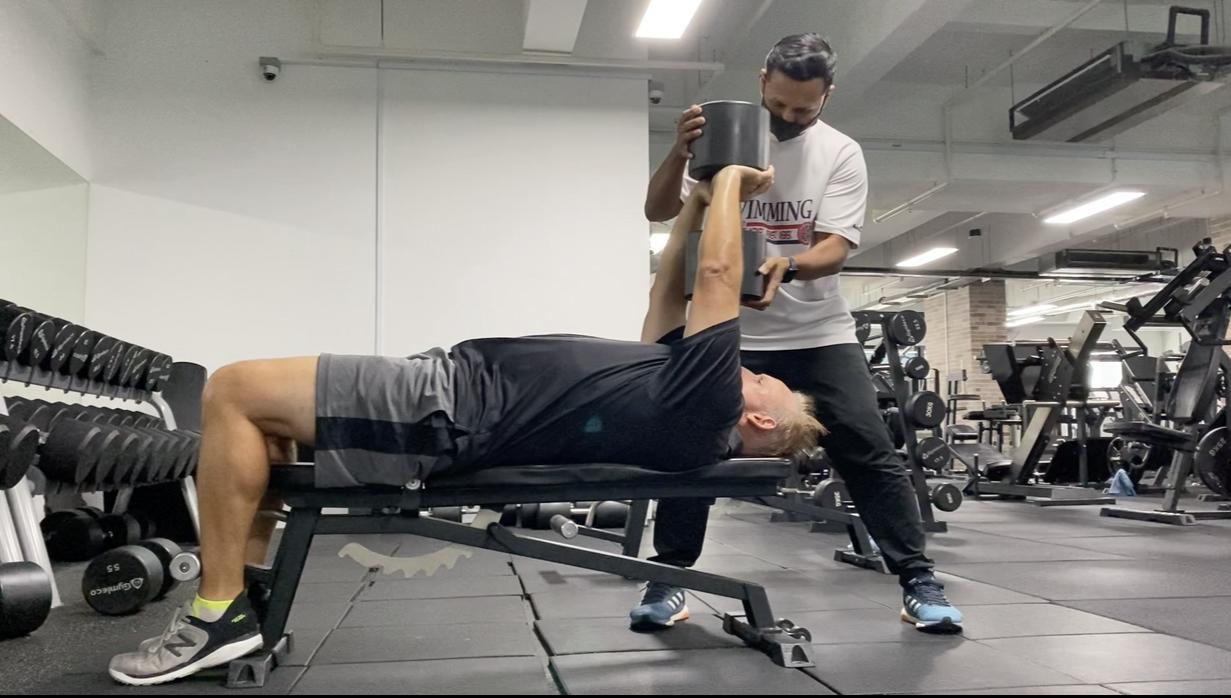
Functional training trains whole movements rather than single muscles, with the aim of making daily tasks easier.
- There is no fixed definition, and reviewers call it very broad.
- In older adults, reviews of trials found gains in balance, walking speed and getting up from a chair.
- A coached session usually covers a squat, a hinge, a push, a pull, a lunge, a carry and a rotation, with a mat, bands and a few weights.
From S$50 a session. First session 10% off.
Written by the Fit Titans coaching team. Edited by Theon. How we write guides
Functional training in Singapore usually means strength work built on the movements of daily life, such as squatting, lifting, carrying and turning.
The term is used loosely, so this page sets out what it covers, who it suits, what research has found and what a session with a Fit Titans coach looks like at home, in a condo gym or a park.
On this page (10)
- 1. What is functional training?
- 2. Which movement patterns does functional training cover?
- 3. Who is functional training good for?
- 4. What does the research say about functional training?
- 5. How much strength work do Singapore's guidelines recommend?
- 6. What does a functional training session with a coach look like?
- 7. What equipment do you need for functional training at home?
- 8. How is functional training different from bodybuilding?
- 9. Is functional training the same as HYROX or CrossFit-style classes?
- 10. How do you start functional training with a Fit Titans coach?
Key facts
- A 2014 review of 13 studies found functional training helped muscle strength, balance, mobility and daily tasks in older adults, most when the training matched the outcome (Liu et al.)
- The same review says functional training has a definition so broad that studies tested very different programmes
- A 2024 meta-analysis of 16 trials in adults aged 60 and over found better gait speed, balance and chair stand results, with no change in grip strength (Niyazi et al.)
- Singapore's guidelines ask adults to strengthen muscles on at least 2 days a week, and older adults to do activity that emphasises strength and functional balance on at least 3 days (HPB, 2022)
What is functional training?
Training that uses movements similar to everyday tasks, so the strength you build carries over to daily life. Liu and colleagues (2014) describe it as coordinated, multi-joint movement in several directions, often with a changing base of support, done to improve function.
The term is loosely used. The same review notes that one well-known coaching definition treats any purposeful training as functional, and calls a definition that broad the reason studies tested very different programmes. When a gym or coach says functional, ask what the sessions actually contain.
- In research: walking, stair climbing, chair stands and modified daily tasks such as carrying groceries (Liu et al.).
- In class formats: high-intensity versions with a timer, covered further down.
Which movement patterns does functional training cover?
Most coaches build sessions on seven basic patterns. This grouping is a coaching convention, not a medical standard.
| Pattern | Everyday task | Example exercise |
|---|---|---|
| Squat | Getting up from a chair or the floor | Sit-to-stand, goblet squat |
| Hinge | Picking up a bag or a child from the floor | Dumbbell deadlift, hip hinge to a bench |
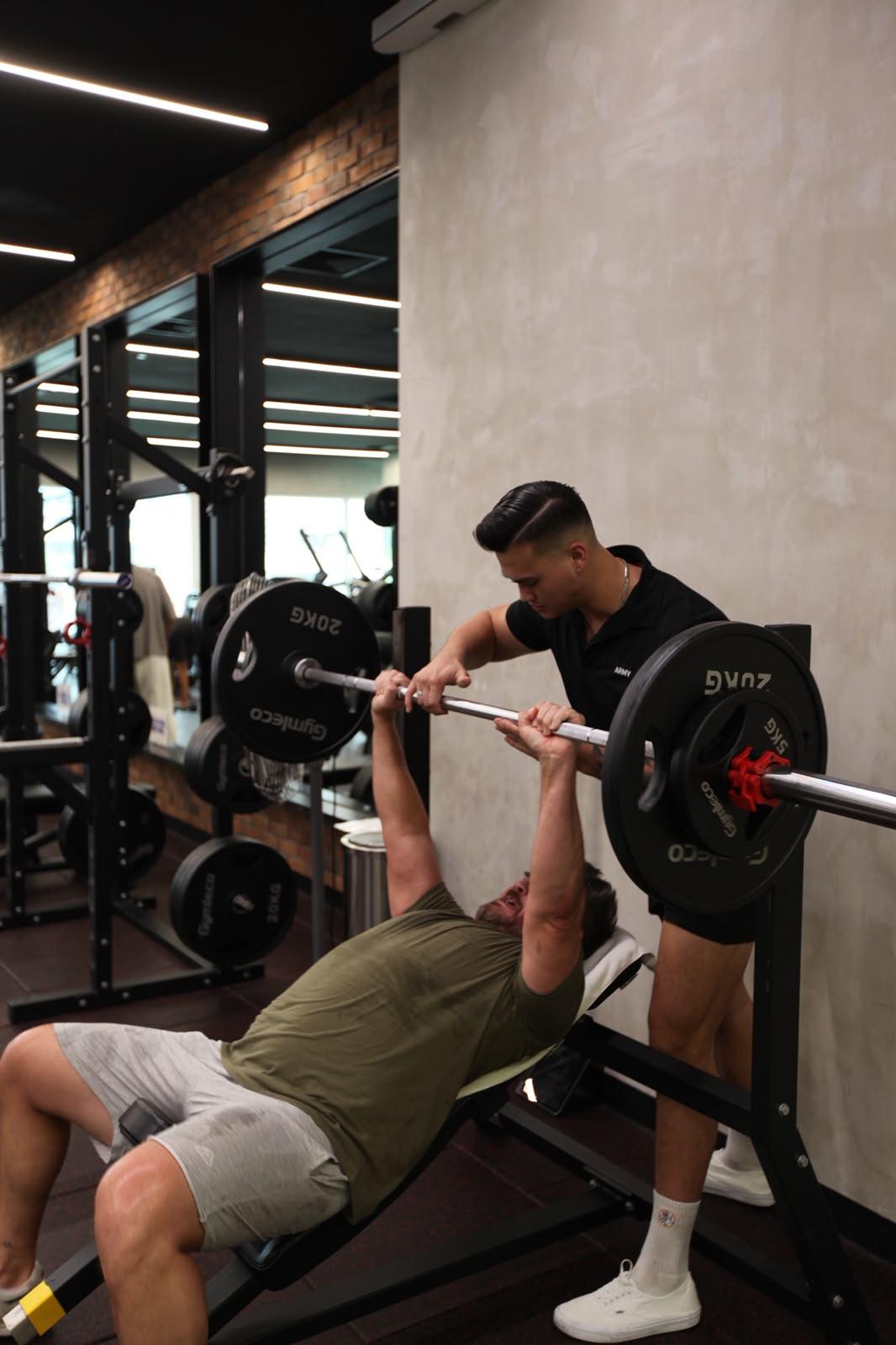
| Push | Pushing open a heavy door, getting up off the floor | Wall or incline push-up, dumbbell press |
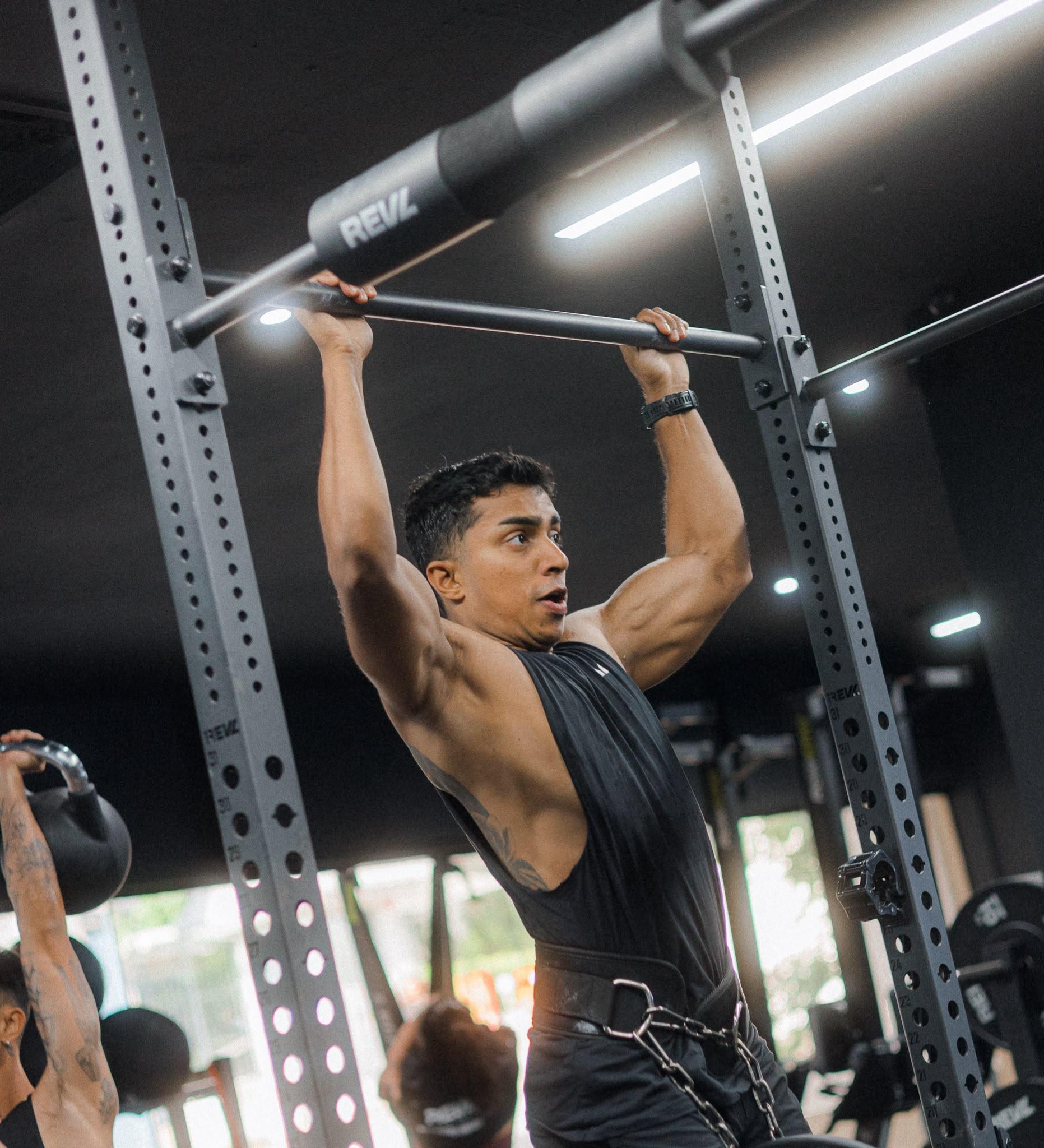
| Pull | Pulling a suitcase, opening a stiff drawer | Band row, dumbbell row |
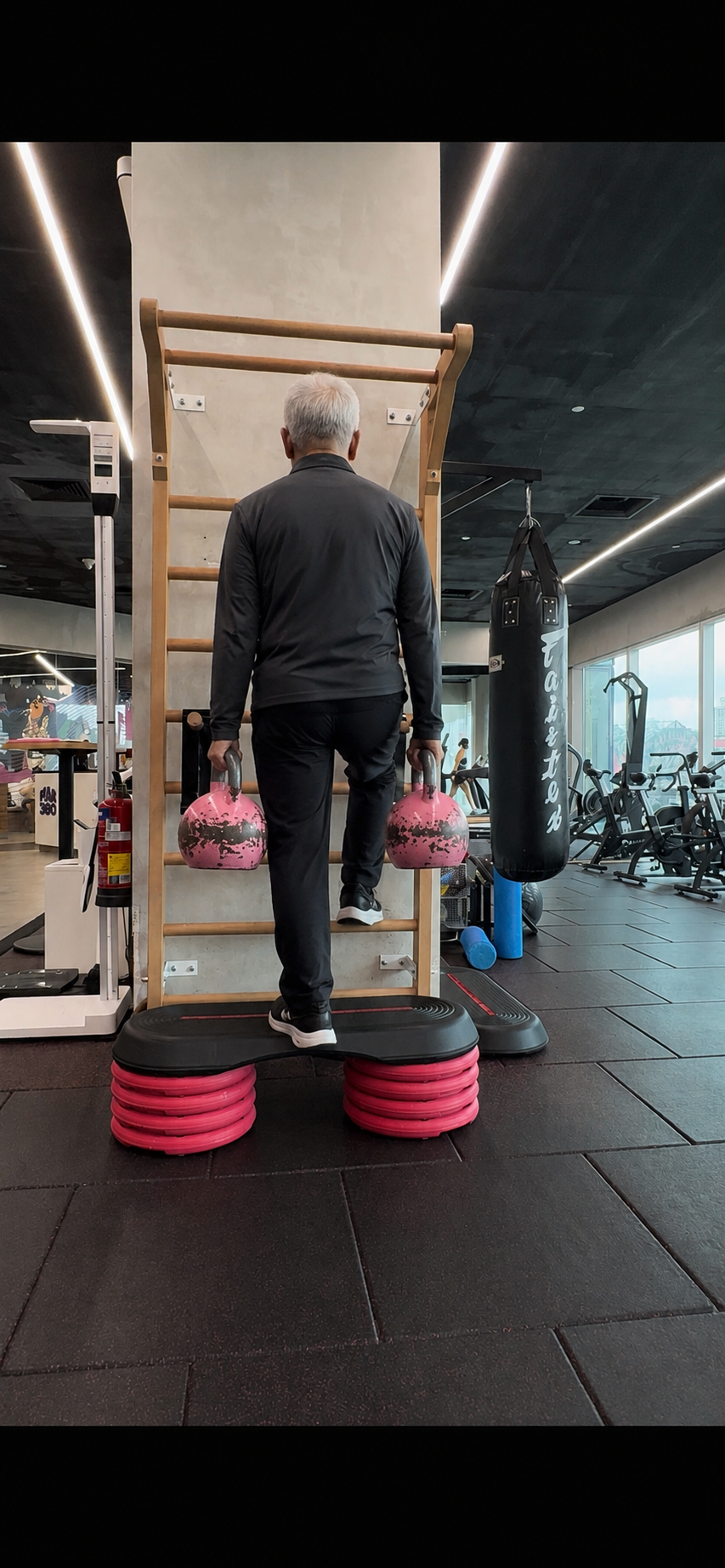
| Lunge | Climbing stairs, stepping onto a bus | Split squat, step-up |
| Carry | Bringing groceries home from the market | Farmer's carry, suitcase carry |
| Rotation | Turning to lift a child into a car seat | Band press-out, half-kneeling chop |
Who is functional training good for?
People who want to feel capable in daily life more than they want a set look or a race time.
| Who | What they want from it |
|---|---|
| Busy adults | A whole-body session in 45 to 60 minutes |
| Older adults | To keep getting up, climbing stairs and carrying shopping with ease |
| Parents | Strength for the lifting, carrying and bending small children need all day |
| People returning to exercise | A gentle, whole-body start after a long break |
Older adults will find the full plan in our strength training after 50 guide.
What does the research say about functional training?
The best evidence is in older adults, where reviews found gains in balance, mobility and daily tasks. Studies vary a lot in what they call functional training, so treat the results as a direction, not a precise effect.
| Review | Who | What it found |
|---|---|---|
| Liu et al., 2014 | Older adults, 13 studies | Benefits for muscle strength, balance, mobility and daily tasks, mostly when the training was specific to that outcome. Studies varied greatly in content and comparison groups |
| Niyazi et al., 2024 | Adults aged 60 and over, 16 trials | Improved gait speed, Berg Balance Scale, Timed Up and Go, step length and Five Chair Stand. Hand grip strength did not change |
| Feito et al., 2018 | High-intensity functional training | Less is known about its effects than about interval training. The paper sets out a working definition for future research |
The principle behind it is specificity. Liu and colleagues explain that the closer training is to the task you want to improve, the better the result for that task.
How much strength work do Singapore's guidelines recommend?
At least two days a week for adults, and three days of strength and balance from 65. This is from the Singapore Physical Activity Guidelines, revised on 12 June 2022.
Two functional sessions a week can cover the strength part for most adults.
What does a functional training session with a coach look like?
About 60 minutes of whole-body work in a living room, a condo gym or a park. The plan below is how our coaches commonly structure it, and it is coaching advice.
- 01Health checkBefore the first session the coach asks about injuries, pain and health conditions. Anyone with a heart condition, recent injury or pain that needs assessing is asked to see a doctor first.
- 02Warm upFive to ten minutes of easy movement and lighter versions of the day's patterns.
- 03Main patternsA squat or hinge, a push and a pull, done in pairs with short rests.
- 04Lunge, carry and rotationSingle-leg work, a loaded carry along a corridor or path, and a rotation or anti-rotation drill.
- 05Finish and logA short conditioning piece if it suits you, then a note of loads and reps so next week can move on.
Some of our coaches list mobility and functional training among their specialties on their profiles. Training with a friend or two is set out on small-group personal training.
What equipment do you need for functional training at home?
Very little. A cleared floor space and a few pieces cover every pattern above.
| Kit | What it is for |
|---|---|
| A mat | Floor work, and protecting the floor |
| A resistance band set | Rows, presses and rotation drills |
| A pair of dumbbells or a kettlebell | Squats, hinges and carries |
| A sturdy chair, step or bench | Sit-to-stands, step-ups and incline push-ups |
What to buy first and what it costs are on home gym setup in Singapore.
How is functional training different from bodybuilding?
Functional training aims at how well you move, and bodybuilding aims at muscle size and shape. Both use resistance, and many programmes mix the two.
Functional training
- Whole movements such as squats, carries and step-ups
- Often standing, one side at a time, or moving
- Progress shown by easier daily tasks and heavier carries
- Needs little kit, so suits home and park sessions
Bodybuilding
- Single muscles trained in isolation as well as compound lifts
- Often seated or supported on machines
- Progress shown by muscle size and shape
- Usually needs a full gym
Is functional training the same as HYROX or CrossFit-style classes?
Not quite. Those formats sit closer to what researchers call high-intensity functional training. Feito and colleagues (2018) describe it as constantly varied functional, multi-joint exercise at high intensity, distinct from interval training.
| Functional training | High-intensity class or race formats | |
|---|---|---|
| Main goal | Moving well in daily life | Fitness, a workout score or a race time |
| Pace | Controlled, with rest between sets | Fast, often against a clock |
| Good first step for | Beginners, older adults, people returning | People already training regularly |
If you are entering a race, see HYROX training in Singapore. For sport-specific power and speed, see strength and conditioning coach.
How do you start functional training with a Fit Titans coach?
Message us with your goal, any health conditions and where you would like to train. A coach comes to your home, your condo gym, a park or a gym that allows outside trainers, and some coach live over video. A 60-minute session with our coaches starts from S$50 (measured October 2026).
- 01First sessionA paid trial at 10% off the coach's rate.
- 02After the trialPacks of 5, 10, 15 or 20 sessions, paid by PayNow.
- 03Home sessionsExplained on home personal training.
Questions about functional training
What does functional training mean?
It usually means strength training built on movements from daily life, such as squatting, lifting, carrying and turning. There is no fixed definition, and a 2014 review called the usual definition so broad that studies tested very different programmes.
Is functional training good for older adults?
Reviews of trials in older adults found gains in balance, walking speed, getting up from a chair and daily tasks. A 2024 meta-analysis found no change in grip strength. Singapore's guidelines ask older adults to do strength and functional balance activity on at least 3 days a week.
Can I do functional training at home in an HDB flat?
Yes. A mat, a band set, a pair of dumbbells or a kettlebell and a sturdy chair cover the main patterns.
Is functional training the same as CrossFit?
No. CrossFit-style classes sit closer to high-intensity functional training, which researchers describe as constantly varied functional exercise at high intensity. Functional training with a coach is usually slower and controlled, which suits beginners and people returning to exercise.
How often should I do functional training?
Two sessions a week covers Singapore's guideline of muscle strengthening on at least 2 days for adults. From 65, the guidelines ask for strength and functional balance activity on at least 3 days a week.
About this guide
Published
Sources (4) and terms used
Terms used
- Hinge:
- The hip-dominant movement pattern of a deadlift or kettlebell swing: hips travel back, spine stays neutral, hamstrings and glutes do the work.
- Condo gym:
- The shared gym in a private condominium, run by the building's management.
- HPB:
- Health Promotion Board, the government agency behind Singapore's public health guidance, including physical activity recommendations and the national effort on diabetes.
Sources
- Liu, Shiroy, Jones and Clark. Systematic review of functional training on muscle strength, physical functioning, and activities of daily living in older adults. Eur Rev Aging Phys Act 2014, 11:95 (checked 8 Nov 2026) · European Review of Aging and Physical Activity, Springer
- Niyazi et al. The effect of functional exercise program on physical functioning in older adults aged 60 years or more. Geriatr Nurs 2024, 60:548 (checked 8 Nov 2026) · PubMed, National Library of Medicine
- Feito, Heinrich, Butcher and Poston. High-Intensity Functional Training (HIFT): definition and research implications for improved fitness. Sports (Basel) 2018, 6(3):76 (checked 8 Nov 2026) · PubMed, National Library of Medicine
- Singapore's physical activity guidelines revised to tackle sedentarism and promote variation in physical activity, 12 June 2022 (checked 8 Nov 2026) · Health Promotion Board
General information, not medical advice.